 0
0
 0
0
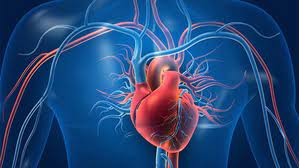
WASHINGTON — In a significant advance that could save more lives, two leading academic medical centers—Duke University and Vanderbilt University—have developed innovative and simpler approaches to expand access to heart transplants utilizing hearts from donation after circulatory death (DCD) donors. This technique could address a longstanding shortage of donor hearts for both adults and infants and reduce the number of hearts going unused after cardiac death.
Traditionally, most heart transplants come from donors who have been declared brain dead but whose hearts continue to beat via ventilator support, allowing viable organ harvesting. In contrast, DCD donors have died following cessation of cardiac activity, commonly after withdrawal of life support when brain function is no longer compatible with survival. The challenge with DCD hearts is that they undergo a period without oxygenated blood flow before recovery, raising concerns about organ viability.
The teams at Duke and Vanderbilt reported separately—in the New England Journal of Medicine—successful heart transplants using DCD hearts: a three-month-old infant at Duke and three adult recipients at Vanderbilt. According to Dr. Aaron M. Williams, lead author of the Vanderbilt study, “These DCD hearts work just as well as hearts from brain-dead donors”.
This breakthrough comes amid growing demand for heart transplants; more than 250,000 Americans suffer from end-stage heart failure, with many dying while waiting for a compatible donor. By adopting these new techniques, the donor pool for heart transplants could potentially increase by as much as 30%, as suggested by prior research projections.
Current approaches to utilize DCD hearts often involve complex and costly machinery to perfuse and assess the heart after procurement, or ethically controversial methods like normothermic regional perfusion—which temporarily restores circulation after death but is not universally accepted. The new techniques developed by Duke and Vanderbilt avoid these complications, employing simpler retrieval methods without requiring restored circulation in the donor.
The use of DCD hearts is part of a larger trend showing a steep increase in their transplantation. In 2022 alone, DCD heart transplants in the US increased by 68%, contributing significantly to a record year for heart transplantation overall. Recent large studies further support that one-year survival rates for recipients of DCD hearts are comparable to those receiving hearts from brain-dead donors, identifying this method as a safe and effective way to expand donor availability.
While the introduction of DCD heart transplantation marks profound progress, ongoing evaluation is necessary to fully understand long-term outcomes and optimize protocols for wider adoption across hospitals.
Disclaimer: This article is based on recent reports and studies on heart transplantation techniques using donation after circulatory death. The described procedures are subject to ongoing clinical research, ethical considerations, and regulatory approvals. Transplant candidates should consult healthcare professionals for personalized medical advice.