 0
0
 0
0
A new wave of health advice has emerged for smartphone users—especially those who scroll through apps like TikTok while on the toilet. Doctors and researchers are warning that prolonged sitting during bowel movements, exacerbated by phone use, increases the risk of developing hemorrhoids, a common but painful condition affecting up to a quarter of adults worldwide.
The Key Findings: Smartphone Use Extends Toilet Time and Raises Hemorrhoid Risk
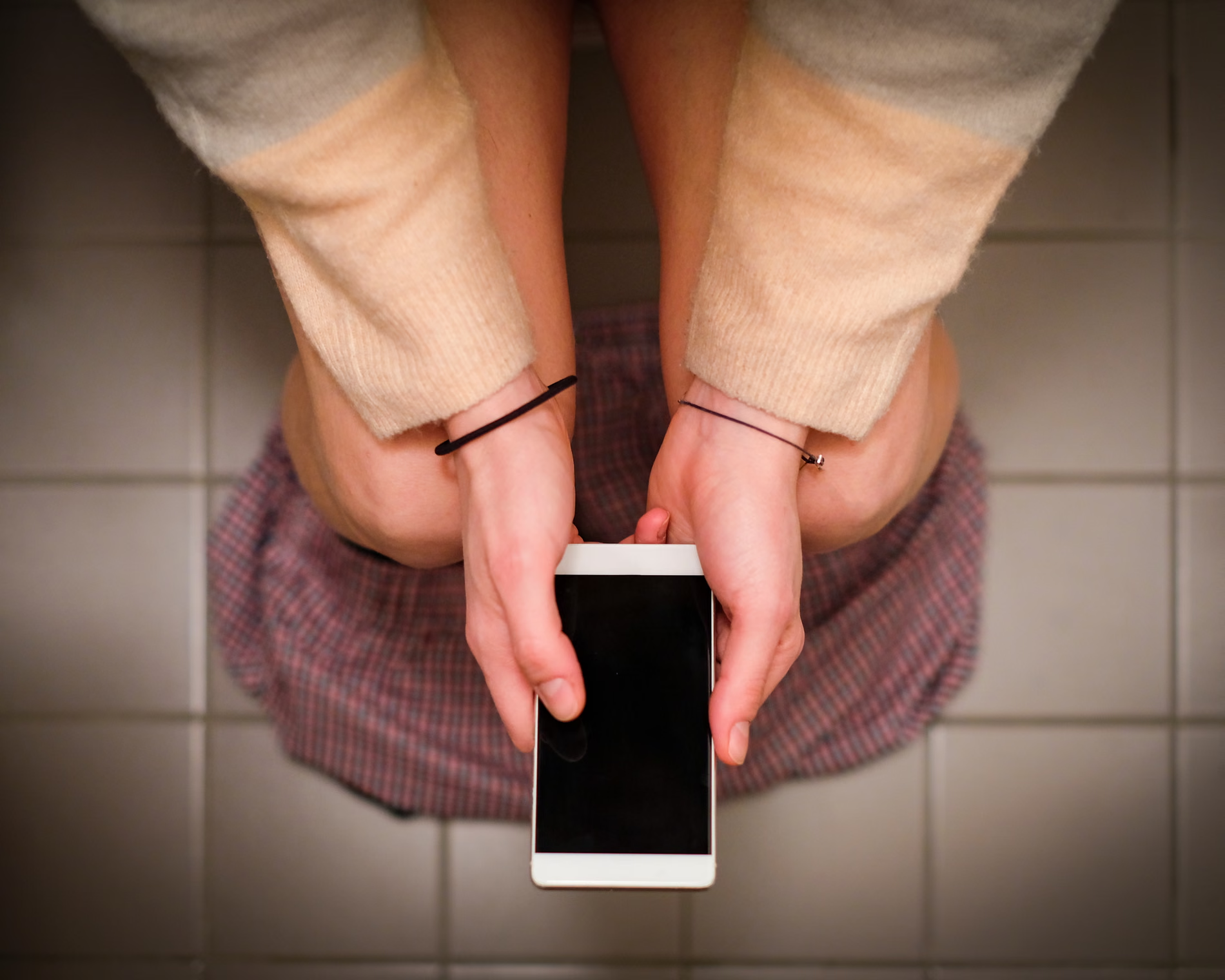
A recent study published in the journal PLOS One analyzed 125 participants and found that those who used smartphones while on the toilet were 46% more likely to develop hemorrhoids compared to non-phone users. The research highlighted that smartphone users spent significantly more time sitting on the toilet—67% remained there for over five minutes during bowel movements, compared to only 7% of those who refrained from phone use. This prolonged sitting increases pressure on the veins in the rectal area, contributing to the formation of hemorrhoids.
Dr. Patricia Pasricha, a gastroenterologist who commented on the study, emphasized the distraction factor introduced by apps like TikTok and Instagram, which are designed to capture users’ attention for extended periods. She recommends a practical “two TikTok limit”—equivalent to about two minutes of scrolling—to avoid overstaying on the toilet and reducing hemorrhoid risk.youtube+1
Understanding Hemorrhoids and Toilet Sitting
Hemorrhoids, or piles, are swollen and inflamed veins in the rectum and anus, similar to varicose veins. They can be internal, usually painless but prone to prolapse, or external, often causing pain, itching, and discomfort. The condition is linked to increased pressure in the veins of the lower rectum, which can result from multiple factors including pregnancy, obesity, heavy lifting, straining during bowel movements, and crucially, prolonged sitting on the toilet.
Prolonged toilet sitting is particularly problematic because when seated on a standard toilet, the rectum is positioned lower than the buttocks without pelvic support, intensifying pressure on hemorrhoidal cushions. This posture, combined with gravity and extended time, causes blood to pool in these veins, leading to swelling and inflammation.
Importantly, the studies noted that straining may not be as significant a factor in hemorrhoid development as once believed. Rather, the duration of sitting on the toilet appears to be a more direct contributor. This is especially concerning given the modern trend of using smartphones or reading materials which can unintentionally extend bathroom visits.
Expert Opinions on the Link Between Phone Use and Hemorrhoids
Experts from various medical institutions concur that limiting toilet time is key to preventing hemorrhoids. Dr. David Schwarz, a gastroenterologist based in Long Island, advises that bowel movements should generally be limited to 10-15 minutes at most, and using phones in the bathroom may subtly lengthen this time and increase risk.
Dr. Prem Chattoo of Hudson River Gastroenterology explains that the additional loading on the rectal veins from extended sitting, aggravated by distractions such as smartphones, can accelerate hemorrhoid formation. He recommends patients increase their fiber intake, stay hydrated, avoid straining, and limit time on the toilet to reduce pressure on anal veins.
Practical Public Health Implications
For the millions of adults who frequently use smartphones in the bathroom, this research offers actionable health advice. Reducing distractions during bowel movements can shorten toilet time, thereby decreasing rectal vein pressure and lowering hemorrhoid risk. Increasing dietary fiber and water intake remains essential to preventing constipation and straining, common contributors to hemorrhoids.
Public health messaging might consider emphasizing the importance of mindful bathroom habits. This includes leaving smartphones outside the bathroom or setting strict time limits on digital distractions, like the “two TikTok videos” rule proposed by Dr. Pasricha. Such small behavior changes could significantly reduce a common but preventable health issue.
Limitations and Ongoing Questions
While the association between prolonged toilet sitting and hemorrhoids is supported by observational studies, more extensive longitudinal research is needed to conclusively establish causality and explore underlying mechanisms. Smartphone use itself may not directly cause hemorrhoids, but it acts as a proxy for time spent sitting.
Further, individual factors such as diet, physical activity, genetics, and existing medical conditions also influence hemorrhoid risk, meaning behavior change must be part of a comprehensive lifestyle approach.
Summary
-
Hemorrhoids affect up to 25% of adults and are linked to increased pressure on anal veins.
-
New studies show phone use in bathrooms extends toilet time and raises hemorrhoid risk by 46%.
-
Experts recommend limiting toilet sitting to under 10 minutes and avoiding digital distractions.
-
Practical advice includes increasing fiber intake, hydration, and adopting mindful toilet habits.
-
Continued research is necessary to better understand all factors contributing to hemorrhoids.
Medical Disclaimer
Medical Disclaimer: This article is for informational purposes only and should not be considered medical advice. Always consult with qualified healthcare professionals before making any health-related decisions or changes to your treatment plan. The information presented here is based on current research and expert opinions, which may evolve as new evidence emerges.
References
-
Smartphone use on the toilet and the risk of hemorrhoids. https://www.theguardian.com/science/2025/sep/03/two-tiktok-limit-loo-reduce-haemorrhoid-risk-doctors