 0
0
 0
0
A recent study from the University of Bonn has found that just two days of eating mostly oatmeal can lead to lasting improvements in cholesterol levels for people at high risk of metabolic disease. The findings, published in the journal Nature Communications, suggest that even a brief, intensive oat-based diet can trigger changes in gut bacteria that help the body manage cholesterol more effectively, with benefits persisting for weeks after the intervention.
Key Findings
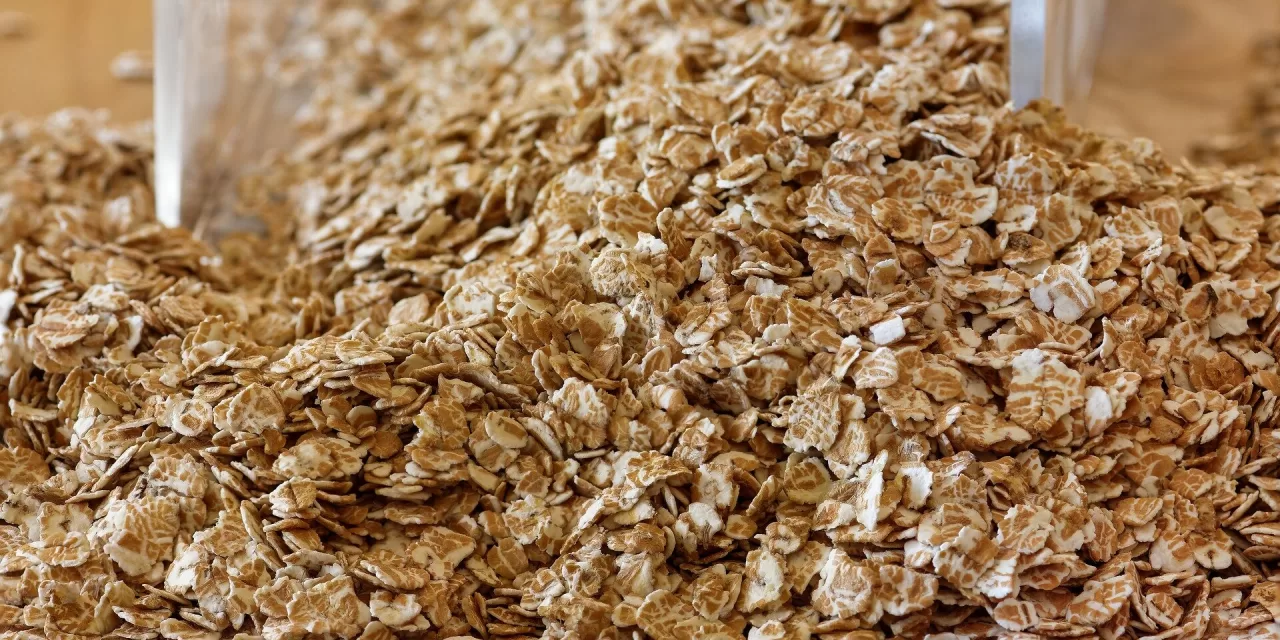
Researchers conducted a randomized controlled trial involving 32 men and women with metabolic syndrome—a condition marked by excess weight, high blood pressure, elevated blood sugar, and abnormal blood fats, all of which increase the risk of heart disease and type 2 diabetes. For two days, participants consumed 300 grams of oats daily, cooked in water, with only small amounts of fruit or vegetables allowed. The diet also reduced calorie intake by about half.
After the two-day oat regimen, participants experienced a 10% reduction in LDL (low-density lipoprotein) cholesterol—the “bad” cholesterol linked to heart disease—along with an average weight loss of two kilograms and a slight drop in blood pressure. These improvements were greater than those seen in a control group eating a calorie-reduced diet without oats, and the effects lasted for at least six weeks.
The Gut Microbiome Connection
The study revealed that the cholesterol-lowering effect was closely tied to changes in the gut microbiome. Oat consumption increased the number of certain bacteria that produce phenolic compounds, such as ferulic acid, which are known to positively influence cholesterol metabolism. These bacterial by-products enter the bloodstream and help the body process cholesterol more efficiently.
Lead author Linda Klümpen noted, “We were able to identify that the consumption of oatmeal increased the number of certain bacteria in the gut. These bacteria break down parts of the oats and release by-products that travel through the bloodstream and affect how the body works”.
Expert Perspectives
Dr. Marie-Christine Simon, co-author of the study and a junior professor at the University of Bonn, emphasized that while medications remain crucial for treating metabolic disease, simple dietary interventions like this could be a valuable complementary strategy. “A short-term oat-based diet at regular intervals could be a well-tolerated way to keep the cholesterol level within the normal range and prevent diabetes,” she said.
Nutrition experts agree. Katherine Brooking, MS, RD, noted, “There’s a wealth of evidence that suggests oatmeal can help lower blood cholesterol, thanks to the power of beta-glucan—a soluble fiber, largely unique to oats, that helps the liver to pull LDL cholesterol out of the blood”. The FDA recommends consuming 3 grams of oat beta-glucan daily to help reduce LDL cholesterol and cardiovascular risk.
Public Health Implications
Metabolic syndrome affects an estimated 20–25% of adults in India, with higher rates among women and with increasing age. With cardiovascular disease and type 2 diabetes on the rise, strategies to improve cholesterol and metabolic health are urgently needed. This study suggests that even a brief, focused dietary change could have meaningful public health benefits.
Limitations and Counterarguments
The study’s sample size was relatively small, and the long-term effects of repeated short-term oat diets remain to be tested. Oats are not a replacement for medications, and the cholesterol-lowering effect, while significant, is modest compared to pharmaceutical treatments. Additionally, the benefits were seen only with a very high intake of oats over a short period, which may not be practical for everyone.
Practical Implications
For most people, including oatmeal in the diet—especially as a source of beta-glucan fiber—can help lower cholesterol and support metabolic health. Experts recommend aiming for at least 3 grams of beta-glucan per day, which is roughly equivalent to one cup of cooked oatmeal. The new findings suggest that even short bursts of intensive oat consumption may provide lasting benefits, but more research is needed to confirm this approach.
Medical Disclaimer
This article is for informational purposes only and should not be considered medical advice. Always consult with qualified healthcare professionals before making any health-related decisions or changes to your treatment plan. The information presented here is based on current research and expert opinions, which may evolve as new evidence emerges.
References
- https://www.earth.com/news/two-days-of-oats-can-lower-cholesterol-for-weeks/