 0
0
 0
0
March 19, 2026
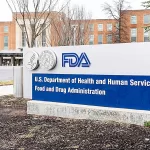
WASHINGTON — A cornerstone of the Trump administration’s healthcare agenda, the TrumpRx.gov platform, is facing intense scrutiny following a series of international price comparisons. Launched in January 2026 to fulfill a campaign promise of securing the “world’s lowest” prescription drug prices through most-favored-nation (MFN) agreements, the platform was intended to provide a financial lifeline to millions of Americans. However, a comprehensive analysis published by Reuters on March 18, 2026, reveals a more complicated reality: cash prices for approximately two-thirds of the 54 medications listed on the site remain higher than those paid by the United Kingdom’s National Health Service (NHS).
The findings challenge the White House’s narrative of global price leadership and raise critical questions for American patients—particularly the uninsured—about whether these voluntary deals with 16 major pharmaceutical companies represent systemic reform or a high-profile, short-term discount program.
The MFN Strategy: A New Era of Drug Pricing?
The TrumpRx initiative emerged from an aggressive trade-based approach to domestic healthcare. By leveraging the threat of tariffs, the administration secured voluntary “Most-Favored-Nation” agreements from industry giants including Pfizer, AstraZeneca, Eli Lilly, Novo Nordisk, and GSK. Under these deals, manufacturers agreed to cap U.S. cash prices at rates comparable to those in other wealthy nations, such as the UK, Germany, France, Japan, Switzerland, and Denmark.
The platform specifically targets “cash-paying” patients—those without health insurance or those whose high-deductible plans do not cover specific medications. For some, the savings are undeniable. Wegovy, a popular obesity medication, saw its monthly cost drop from a list price of $1,087 to a range of $199–$349. Similarly, the diabetes and weight-loss drug Zepbound fell from over $1,000 to $299, representing a 50% to 80% reduction.
“The U.S.-UK agreement shows foreign free-riding on U.S. innovation is ending,” says Sarah Ryan, a representative for the Pharmaceutical Research and Manufacturers of America (PhRMA). Ryan notes that while prices are a focus, American patients currently access 80% of new medical innovations, compared to less than 50% for patients in Europe.
The UK Comparison: Where the “Lowest Price” Claims Falter
Despite significant domestic price cuts, the Reuters analysis of 54 drugs across eight companies shows that the U.S. still lags behind its peers. For one-third of the listed medications, UK prices were substantially lower—between 67% and 82% cheaper than the TrumpRx “discounted” price.
The disparities are most visible in treatments for chronic conditions:
-
Arthritis: Pfizer’s Xeljanz is listed on TrumpRx for approximately $130–$207, yet remains significantly cheaper for the NHS to procure.
-
Respiratory Care: GSK inhalers and AstraZeneca’s Bevespi Aerosphere ($51 on TrumpRx) are available at lower rates in the UK.
-
Growth Hormones: A New York Times investigation highlighted Ngenla, which costs U.S. patients $2,217 monthly on TrumpRx. In Germany, the same treatment involves a nominal co-pay capped at just €10 ($11.50).
The divergence stems largely from how different countries negotiate. The UK’s NHS utilizes “single-payer” power to negotiate bulk discounts that often result in lower “net” prices than the voluntary caps agreed upon for TrumpRx. In a reciprocal move to avoid U.S. tariffs, the UK actually raised prices for some new medicines by up to 25%, a move estimated to cost the NHS an additional £3 billion annually. However, because the UK government subsidizes these costs, the individual patient in England still only pays a standard prescription fee of £9.90 ($12.60).
Expert Perspectives: Reform or “Coupon Book”?
Medical experts and policy analysts remain divided on the long-term efficacy of the platform. Dr. Aaron Kesselheim, a professor at Harvard Medical School and a leading expert on drug pricing, expressed skepticism regarding the platform’s structure.
“This is more like an expensive coupon book than true price reform,” Dr. Kesselheim noted. “It sets cash ceilings for a small subset of drugs but ignores insurance deductibles and the systemic issues that drive costs high in the first place.” He further cautioned that because these agreements are voluntary, they lack the permanent enforcement mechanisms seen in legislative reforms.
Conversely, Dr. Marc Siegel, a clinical professor of medicine and Fox News medical analyst, views the recent inclusion of companies like Amgen and GSK as a victory for patient pocketbooks. He characterized the expansion as a “milestone” in making life-saving medications accessible to those previously priced out of the market.
What This Means for Patients
For the estimated 28 million uninsured Americans, TrumpRx.gov offers a legitimate alternative to paying full list prices. With Bureau of Labor Statistics (BLS) data showing drug inflation at a mere 0.2% between January 2025 and February 2026, the administration argues their pressure tactics are stabilizing the market.
However, health-conscious consumers should navigate the platform with a few “fine print” realities in mind:
-
Insurance Limitations: Prices paid through TrumpRx typically do not count toward a patient’s health insurance deductible.
-
Narrow Scope: The site currently lists only 54 medications. In contrast, commercial discount sites like GoodRx offer coupons for over 6,000 drugs, often including generics that may still be cheaper than the “branded” deals on TrumpRx.
-
Dosing Differences: Manufacturers like Novo Nordisk have pointed out that international price comparisons often overlook differences in dosing strengths and healthcare delivery systems.
Looking Ahead: The Sustainability of MFN Deals
The future of TrumpRx depends on whether the administration can move beyond voluntary agreements to address “middleman” issues, such as Pharmacy Benefit Managers (PBMs), which critics argue siphon off potential savings. While the current deals have provided immediate relief for certain high-cost obesity and fertility treatments, the Center for American Progress warns that some of these discounts may be short-term promotional rates that could expire, leaving patients vulnerable to future price hikes.
As the 2026 healthcare landscape continues to evolve, patients are encouraged to use TrumpRx as one of many tools. Comparing the platform’s rates with sites like PharmacyChecker or GoodRx remains the most reliable way to ensure the lowest out-of-pocket cost.
Comparative Drug Pricing at a Glance (March 2026)
| Drug Category | Example Medications | TrumpRx Est. Monthly Price | UK NHS/International Context |
| Obesity | Wegovy, Zepbound | $199 – $349 | Competitive, but Japan remains lower globally. |
| Arthritis | Xeljanz, Abrilada | $130 – $207 | UK prices are 67–82% lower for these items. |
| Diabetes | Farxiga, Ozempic | $168 – $199 | Significant drop from U.S. list; UK still lower for some. |
| Respiratory | Bevespi Aerosphere | $51 | GSK inhalers are over 67% cheaper in the UK. |
| Growth Hormone | Ngenla | $2,217 | Germany/UK costs are drastically lower via subsidies. |
Medical Disclaimer: This article is for informational purposes only and should not be considered medical advice. Always consult with qualified healthcare professionals before making any health-related decisions or changes to your treatment plan. The information presented here is based on current research and expert opinions, which may evolve as new evidence emerges.
References
-
Bhan, S., & Er, M. (2026, March 18). TrumpRx lists many medicines at prices higher than paid in UK. Reuters. https://www.reuters.com/business/healthcare-pharmaceuticals/trumprx-lists-many-medicines-prices-higher-than-paid-uk-2026-03-18/