 0
0
 0
0
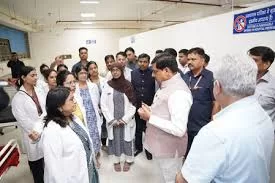
Tripura has launched the Mukhyamantri Sustha Shaishab and Sustho Koishor Abhiyan (MSSSKA) 8.0, a comprehensive public health initiative targeting worm infestations, vitamin deficiencies, and iron-deficiency anemia among children and adolescents aged 0 to 19 years. Spearheaded by Chief Minister Manik Saha, who also holds the Health and Family Welfare portfolio, the campaign aims to reach over 10.59 lakh children and adolescents across the state by October 30, 2024. This annual program, a joint effort by the Health and Family Welfare, School Education, and Social Welfare departments, provides deworming tablets, iron and folic acid supplementation, and vitamin A distribution to combat widespread nutritional deficiencies.
Key Health Interventions and Target Population
The MSSSKA 8.0 campaign is structured to deliver a suite of essential health interventions to a broad demographic. The primary target is 1,059,182 children and adolescents from birth to 19 years of age, a demographic particularly vulnerable to parasitic and nutritional disorders. The core interventions include the administration of deworming medication (albendazole) to combat soil-transmitted helminthiases, which are prevalent in areas with poor sanitation and can lead to malnutrition and anemia. To address micronutrient deficiencies, the program provides iron and folic acid supplements to all children from six months to 19 years, a critical measure given that 58.5% of children under five in India were anemic as of the 2015-16 National Family Health Survey. The campaign also includes vitamin A supplementation, which is essential for immune function and vision, and is distributed to prevent deficiency-related health issues. The program extends its reach beyond schools to include high-risk populations in tea gardens, brick kilns, slum areas, orphanages, and private educational institutions, ensuring a more equitable distribution of health services.
Public Health Context and National Significance
The launch of MSSSKA 8.0 in Tripura is part of a much larger, coordinated national effort to combat childhood malnutrition and parasitic infections. India runs the world’s largest deworming program, which in a single day in 2016 treated an estimated 270 million children with albendazole, demonstrating the scale of the public health challenge. The World Health Organization (WHO) has long recommended periodic, large-scale deworming in endemic areas as the most cost-effective intervention, as soil-transmitted helminths like hookworms directly contribute to anemia by causing blood loss. The persistence of these issues is deeply rooted in socioeconomic factors. A 2019 study analyzing NFHS-4 data found that childhood anemia in India is strongly correlated with household wealth and maternal health, with 63.2% of children in the poorest households being anemic compared to 52.9% in the richest. This underscores that while programs like MSSSKA provide essential medical interventions, they are part of a broader strategy that must also address underlying issues of poverty, sanitation, and maternal nutrition to achieve sustainable health improvements.
Implications for Child Health and Development
The implications of the MSSSKA campaign extend far beyond immediate symptom relief, touching on the long-term cognitive, physical, and economic development of Tripura’s youth. Iron deficiency anemia in children is not merely a health concern; it is a significant barrier to human capital development. Research has consistently shown that anemia is associated with impaired cognitive and psychomotor development, which can lead to poor school performance and reduced future earning potential. By providing iron and folic acid, the program aims to support healthy brain development and improve learning outcomes. Similarly, deworming is crucial for physical growth, as intestinal worms compete for nutrients and can cause malabsorption, stunting a child’s growth. Chief Minister Saha emphasized this holistic view, stating the program’s goal is to raise children in a “healthy and beautiful way” and to properly develop their health and nutrition. The campaign also includes components on mental health, cleanliness, and anti-drug activities, recognizing that a child’s well-being is multifaceted. This comprehensive approach aligns with national health priorities and represents a critical investment in the state’s future.
Medical Disclaimer: This article is for informational purposes only and should not be considered medical advice. Always consult with qualified healthcare professionals before making any health-related decisions or changes to your treatment plan. The information presented here is based on current research and expert opinions, which may evolve as new evidence emerges.
References
-
Morung Express. (2024, October 24). Tripura CM rolls out scheme to fight worm, vitamin and iron deficiencies. https://morungexpress.com/tripura-cm-rolls-out-scheme-to-fight-worm-vitamin-and-iron-deficienciessocialwelfare.tripura