 0
0
 0
0
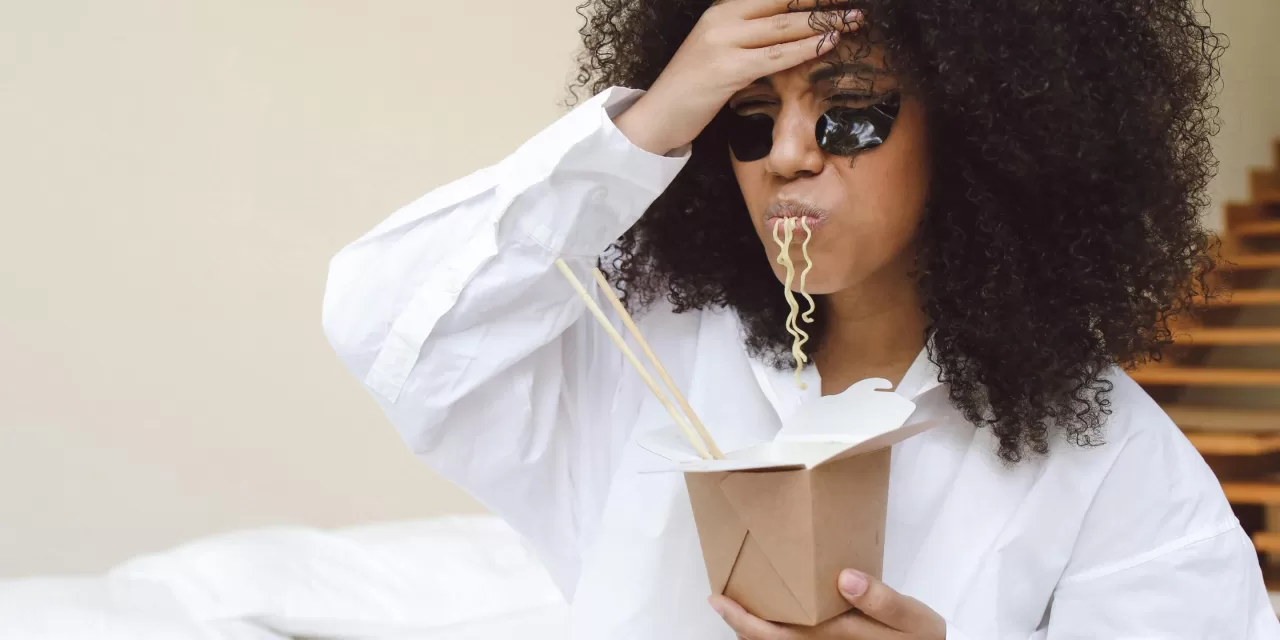
Melbourne, May 28, 2025 — The morning-after headache, relentless nausea, and overwhelming fatigue are familiar to many who enjoy a night out. With hangovers being a universal nuisance, the market for hangover cures is booming, now valued at a staggering USD 2.29 billion and projected to triple by 2032. From Korean pear juice to IV drips, a variety of products promise swift relief. But do these trendy remedies actually work?
What Causes a Hangover?
Despite decades of research, the precise cause of hangovers remains elusive. However, experts agree that several biological processes are at play:
-
Immune Response: Alcohol is broken down into acetaldehyde, a toxic byproduct that triggers the immune system, releasing inflammatory chemicals called cytokines. This response is similar to how the body fights infections, explaining why hangovers can feel like being sick.
-
Dehydration: Alcohol inhibits vasopressin, a hormone that helps retain water, leading to increased urination and dehydration—hence the classic hangover headache and thirst.
-
Disrupted Sleep: While alcohol may help you fall asleep, it disrupts the sleep cycle, leaving you groggy and cognitively impaired the next day.
-
Brain Chemistry: Alcohol alters neurotransmitters, initially creating a calming effect but later causing anxiety and irritability as the brain tries to rebalance.
Inside the Hangover Remedy Market
Modern hangover remedies go far beyond the old “hair of the dog.” Today’s options include capsules, drinks, patches, and dissolvable strips, often marketed as miracle solutions. A recent analysis of products in Australia found that B vitamins and sodium are the most common ingredients, aimed at replenishing nutrients and supporting rehydration. Yet, there is little solid evidence that these ingredients significantly improve hangover symptoms in otherwise healthy people.
Natural Ingredients: Hype vs. Science
-
Ginger: Widely used to treat nausea, ginger may help with gastrointestinal symptoms, though not specifically for hangovers.
-
Dihydromyricetin: Extracted from the Japanese raisin tree, this compound is touted as a revolutionary hangover fighter. However, controlled studies show it performs no better than a placebo.
-
Korean Pear Juice: A 2013 study suggested that consuming Korean pear juice before drinking might slightly lower blood alcohol levels and improve focus. However, the benefits were minor and did not help once a hangover had set in.
-
Red Ginseng: Some studies indicate that red ginseng extract can reduce thirst, fatigue, and stomach aches post-drinking, with positive results also seen in animal studies.
High-Tech Remedies: IV Drips and Vitamin Patches
IV drips, often marketed as wellness boosters, are now offered at clinics and “drip bars” for hangover relief. However, unless a person is severely dehydrated, there is little evidence these expensive treatments work better than water, food, and rest. Similarly, vitamin patches claim to deliver nutrients through the skin, but most vitamins are better absorbed through food or oral supplements.
Is There a Magic Cure?
Despite aggressive marketing, no hangover remedy has been proven to offer a magic cure. Experts recommend these science-backed strategies:
-
Pace Yourself: Limit yourself to one standard drink per hour to give your liver time to process alcohol.
-
Stay Hydrated: Alternate alcoholic drinks with water.
-
Eat Before Drinking: Food can slow alcohol absorption and reduce stomach irritation.
-
Get Plenty of Sleep: Rest is crucial for recovery, and even a short nap can help.
While moderation may be difficult in the moment, it remains the most reliable way to avoid a rough morning after.
Disclaimer:
This article is for informational purposes only and does not constitute medical advice. The effectiveness of hangover remedies can vary, and scientific evidence supporting many products is limited. For persistent or severe symptoms, consult a healthcare professional.
Citations: