 0
0
 0
0
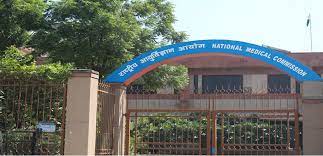
NEW DELHI — In a move designed to overhaul the transparency of medical education in India, the National Medical Commission (NMC) has issued a critical mandate requiring all medical colleges to integrate their operations with national digital health databases. The directive, which sets a fast-approaching deadline for the submission of Health Facility Registry (HFR) and Health Management Information System (HMIS) details, marks a pivotal shift toward data-driven accountability in physician training.
For decades, the process of assessing medical colleges for annual renewals or the establishment of new departments has relied heavily on physical inspections—a system often criticized for being susceptible to “window dressing” during visits. By mandating the submission of real-time digital data, the NMC aims to ensure that every medical student is trained in a facility that possesses the actual infrastructure, faculty, and patient load it claims to have.
The Digital Mandate: HFR and HMIS Explained
The Undergraduate Medical Education Board (UGMEB) of the NMC recently communicated to all medical institutions that the integration of HFR and HMIS data is now a mandatory prerequisite for the assessment and renewal of permissions for the academic year 2025-26.
The Health Facility Registry (HFR) acts as a comprehensive repository of all health facilities across the country, spanning both public and private sectors. Being part of the Ayushman Bharat Digital Mission (ABDM), it provides a unique identifier for each hospital, ensuring it is recognized within the national health ecosystem.
The Health Management Information System (HMIS), meanwhile, is the digital backbone of hospital operations. It tracks patient registrations, outpatient department (OPD) attendance, inpatient (IPD) admissions, surgeries performed, and diagnostic tests conducted.
“By linking renewal permissions to these digital footprints, the NMC is effectively saying that paper records are no longer enough,” says Dr. Arvinth Kumar, a medical education consultant not affiliated with the commission. “They want to see evidence of a functioning hospital in the digital trail of patient care.”
Why This Matters for Public Health and Safety
The significance of this development extends far beyond administrative paperwork. For the general public and prospective medical students, the quality of a medical college is inextricably linked to the volume and variety of patients the hospital treats.
A medical student’s competency is built on clinical exposure. If a college claims to have 500 beds but only sees 50 patients a day, the students graduating from that institution may lack the hands-on experience necessary to manage complex cases independently. By enforcing HMIS reporting, the NMC can verify if the clinical material—the actual patients being treated—is sufficient to support a robust medical education.
“This is fundamentally a patient safety issue,” explains Sarah Thompson, a policy analyst specializing in international health systems. “If we ensure that medical colleges are honest about their facilities and patient loads today, we ensure that the doctors entering our hospitals tomorrow are adequately trained.”
Addressing the “Ghost Faculty” and Infrastructure Gaps
One of the primary challenges the NMC has faced in recent years is the issue of “ghost faculty”—doctors who are hired only for the duration of an inspection—and “rented” equipment.
The integration of the National Resource Inventory (NRI) and the Electronic Data Management System (EDMS) alongside HFR/HMIS allows the NMC to cross-reference data. For example, if a doctor is listed as a full-time professor at a college in Rajasthan but is also registered as a practitioner in a private clinic in Delhi on the same day within the digital registry, the system can flag the discrepancy instantly.
According to the NMC’s official circular, colleges that fail to submit these details by the specified deadline risk being excluded from the assessment process for the upcoming academic cycle. This “no-data, no-permission” policy is the strongest stance the commission has taken toward digital transition to date.
Potential Challenges and Limitations
While the move has been praised by many advocates for transparency, it is not without its hurdles. Several rural and newly established medical colleges have voiced concerns regarding the technical infrastructure required to maintain real-time HMIS data.
-
Digital Literacy and Infrastructure: Smaller institutions in remote areas may struggle with consistent internet connectivity and the high cost of implementing sophisticated hospital management software.
-
Data Privacy: As hospitals upload patient-related statistics to a national portal, robust cybersecurity measures are essential to ensure that individual patient identities remain protected while aggregate data is shared.
-
Accuracy of Reporting: Critics argue that data can still be manipulated at the entry point. “A digital system is only as good as the data entered into it,” notes Dr. Kumar. “The NMC will still need a mechanism to verify that the numbers in the HMIS reflect real people and not ‘dummy’ entries.”
Implications for Health-Conscious Consumers
For patients, this move represents a step toward a more transparent healthcare marketplace. As this data becomes centralized, it may eventually allow for public-facing dashboards where patients can see the actual performance metrics of a hospital attached to a medical college—such as surgery volumes or bed occupancy rates—before choosing where to seek care.
For parents and students, this ensures that the “recognition” of a college is based on sustained performance rather than a single, high-stakes inspection day.
The Road Ahead
The NMC has set a strict timeline, urging colleges to complete their registrations on the designated portals immediately. As the 2025-26 academic session approaches, the medical community will be watching closely to see how many institutions successfully bridge the digital divide and what the “real” state of Indian medical education looks like once the data is laid bare.
This transition signals the end of the era of “analog” medical regulation in India, moving toward a future where data is the ultimate arbiter of quality.
Medical Disclaimer: This article is for informational purposes only and should not be considered medical advice. Always consult with qualified healthcare professionals before making any health-related decisions or changes to your treatment plan. The information presented here is based on current research and expert opinions, which may evolve as new evidence emerges.
References and Sources
- https://medicaldialogues.in/health-news/nmc/medical-college-assessment-renewal-nmc-sets-deadline-for-hfr-hmis-details-submission-165676