 0
0
 0
0
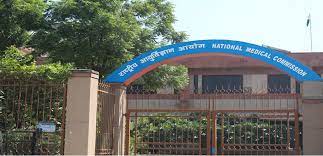
New Delhi, March 9, 2026 — The integrity of India’s medical education system faced intense scrutiny in the Lok Sabha this week as lawmakers demanded to know why the National Medical Commission (NMC) has stopped publishing detailed assessment reports for the country’s medical colleges. Despite repeated mandates from the Central Information Commission (CIC) to disclose these findings, the government’s regulatory body continues to withhold comprehensive data, sparking a heated debate over student rights, institutional accountability, and the future quality of healthcare in India.
Union Health Minister Anupriya Patel defended the NMC’s stance on Thursday, arguing that while “key information” regarding seat matrices and admissions is proactively shared, full inspection reports contain “third-party confidential data” restricted under the Right to Information (RTI) Act, 2005. This standoff comes at a critical juncture as India hits a record 120,000 approved MBBS seats, leaving thousands of aspiring doctors and their families navigating a landscape where the true quality of their chosen institutions remains obscured.
From Transparency to Summary: The Regulatory Shift
The current controversy is rooted in the 2020 transition from the Medical Council of India (MCI) to the National Medical Commission. The MCI, though frequently mired in corruption allegations, maintained a policy of uploading full assessment reports. These documents provided granular details on faculty strength, hospital bed occupancy, and infrastructure—vital metrics for any student committing five years and significant financial resources to a medical degree.
Under Section 4 of the RTI Act, public authorities are required to disclose information that affects the public interest proactively. However, since June 2023, the NMC has pivoted toward releasing only “final assessment results and ratings.”
“The shift from detailed disclosure to mere summaries is a significant step backward,” says Dr. Mohammed Khader Meeran, a Trichy-based physician and RTI activist who has spearheaded the legal push for transparency. “By removing older MCI reports and withholding new ones, the regulator is essentially asking students to take a leap of faith rather than making an informed choice.”
The CIC Intervenes: A Battle of Directives
The Central Information Commission has not been silent. In a landmark 2024 ruling, Chief Information Commissioner Heeralal Samariya directed the NMC to upload all college reports within 30 days. The CIC emphasized that balancing RTI exemptions for personal data is possible through redaction, rather than wholesale withholding.
The Commission warned that continued non-compliance could lead to penalties, highlighting that the “public interest” in ensuring high-quality medical training outweighs the administrative burden of uploading the documents. Despite these directives, Minister Patel noted in Parliament that the NMC is currently seeking further legal opinion on third-party information restrictions, effectively pausing the disclosure process.
Why the Details Matter: Clinical Competence at Stake
For the general public, the “transparency” debate might seem like a bureaucratic technicality, but medical experts argue the implications for patient care are direct and profound.
“Detailed reports are the only way to verify if a college meets the minimum standard of a 1:2 faculty-to-student ratio or a 75-80% bed occupancy rate,” explains Dr. Rishi Kumar, a public health expert at AIIMS Delhi. “If a student trains in an environment with low patient footfall or missing diagnostic equipment, their clinical competence is compromised. These gaps eventually walk into our hospitals as underprepared doctors.”
Comparison of Disclosure Standards
| Feature | MCI Era (Pre-2020) | NMC Era (Current) |
| Faculty Data | Detailed lists published | Summarized numbers |
| Infrastructure | Full inspection notes public | High-level “Ratings” only |
| Patient Load | Daily averages disclosed | Often omitted or summarized |
| Legal Stance | Proactive disclosure | Cites “Third-party confidentiality” |
Balancing Privacy and Public Right to Know
The NMC’s defense rests on Section 8 of the RTI Act, which protects commercially sensitive information. There are concerns that raw data dumps could lead to the unfair “blacklisting” of private colleges by the public before the institutions have a chance to rectify minor deficiencies.
Dr. Anjali Patel, representing the education wing of the Indian Medical Association (IMA), suggests a middle ground. “While we must protect the private personal data of faculty members, anonymized data regarding hospital infrastructure and patient statistics belongs in the public domain. Regulators must find a way to provide clarity without creating an unmanageable ‘data dump’ that confuses the average consumer.”
Implications for Public Health
India is currently undergoing a massive expansion in medical education, adding over 20,000 new MBBS and PG seats in 2026 alone. While this is intended to address the doctor-to-population ratio—currently hovering around 1:834—quality control remains the primary challenge.
If the NMC continues to withhold assessment details:
-
Students may inadvertently choose colleges with “ghost faculty” or inadequate clinical exposure.
-
Accountability for institutions failing to meet standards may weaken, as public pressure is a powerful tool for reform.
-
Rural-Urban Disparity may widen, as rural colleges often struggle more with patient loads—a fact that remains hidden without detailed reports.
The Path Forward
As the government seeks legal counsel, the Madras High Court is also weighing in, following pleas to ensure disclosures are made before the next round of NEET counseling. For now, the Ministry of Health maintains that the NMC is compliant with the spirit of the law, even if the “letter” of the CIC’s 30-day directive remains unfulfilled.
For aspiring medical students and their guardians, the advice remains: utilize the NMC’s current seat matrix and ratings, but cross-reference them with state-level data and independent audits where possible. The fight for the “full picture” of India’s medical colleges continues to be a defining struggle for the nation’s healthcare future.
Medical Disclaimer: This article is for informational purposes only and should not be considered medical advice. Always consult with qualified healthcare professionals before making any health-related decisions or changes to your treatment plan. The information presented here is based on current research and expert opinions, which may evolve as new evidence emerges.
References
-
Medical Dialogues. (2026, March 7). Medical College assessment reports matter raised in Parliament, Centre cites NMC website disclosures. Link