 0
0
 0
0
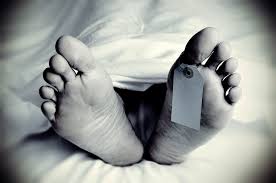
A 15-year-old NEET aspirant from Bihar’s Aurangabad district was found dead in her Patna hostel room on January 6, 2026, marking the second such incident in the city within weeks and spotlighting the intense pressures on medical entrance exam students. Police confirmed death by hanging via postmortem, following allegations of harassment by two minors, one of whom was sent to a juvenile facility. This case, occurring shortly after a 17- or 18-year-old aspirant’s controversial death on January 11, has intensified calls for better mental health support and hostel safety.
Incident Details
The girl had returned to her Exhibition Road hostel on January 4 after a home holiday, speaking normally with her family on January 4, 5, and at 9 AM on January 6; CCTV showed her at 10:52 AM before the 1 PM discovery. Her father filed a complaint accusing nearby minors of harassment that disturbed her deeply, leading to an FIR and investigation revealing regular contact by one juvenile. Postmortem at Patna Medical College and Hospital confirmed suicide by hanging, with no initial foul play beyond harassment claims, though probes continue.
This follows the January 11 death of a Jehanabad aspirant found unconscious in Chitragupt Nagar hostel, who died in hospital after coma; her family alleges assault despite initial suicide suspicion, prompting SIT probe, NHRC petition, hostel sealing, and political demands for CBI inquiry. Opposition criticized Bihar CM Nitish Kumar’s programs amid safety lapses in girls’ hostels.
Broader Context of NEET Pressures
NEET preparation traps lakhs of teens in high-stakes cycles, with over 20 lakh appearing annually; in Bihar, Patna hostels house thousands from rural areas facing isolation and competition. NCRB data shows student suicides hit 13,000 in 2022 (7.6% of total), up from 12,526 in 2020, with one every 42 minutes; exam failure links to 864 cases in 2021. A Kerala study found 33.7% medical students with lifetime suicidal ideation, 15.2% recent, and 5.4% with plans (16x higher risk), tied to academic stress, parental pressure, discrimination.
Kota-like coaching hubs report 38% JEE/33% NEET students with depression symptoms from 6-8 hour days, sleep loss, motivation dips. Pre-COVID analysis noted 32 NEET-linked suicides (2018-2020), 65% female, often post-results anxiety. PG medical students show 31% suicidal thoughts, 4.4% attempts yearly from workload.
Expert Insights on Mental Health Toll
Dr. Pratima Murthy, NIMHANS Director, identifies academic pressure, family expectations, harassment, social media as suicide triggers: “All these stressors contribute differently… to suicidal tendencies.” Psychiatrist Dr. Nagpal notes 3-4x caseload rise post-COVID, with teens enduring silent anxiety, panic, depression amid stigma blocking counselor help: “Those who most need support are trapped… frightened of being labelled.”
Dr. Rachna Khanna Singh highlights fragmented emotional landscapes from intrusive pressures, urging detection. Studies link NEET anxiety to unmanaged coping, calling for life skills in curricula.
Public Health Implications
These deaths signal systemic failure in student welfare, especially for migrant girls in unregulated hostels lacking CCTV, counselors. Bihar women’s panel demands Patna DM list all girls’ hostels post-incidents. Nationally, Supreme Court issued 2025 guidelines mandating counselors (1:100+ students), parent sensitization, peer support, career counseling in institutions/coaching centers.
Government’s District Mental Health Programme covers 704 districts with school counseling, suicide prevention, IEC; NCERT trains teacher-counselors; tele-MANAS offers 24/7 help. NIMHANS pushes digital tools like self-checks, forums for 43 million collegegoers. Implications urge readers to watch for isolation, mood changes in aspirants—encourage open talks, helplines like 104 or 080-46110007.
Limitations and Calls for Action
Police cite harassment but no broader foul play; families dispute suicides, demanding probes—highlighting investigation gaps in hostels. Data limitations: NCRB underreports ideation; regional studies like Kerala’s may not generalize to Bihar’s socioeconomic stresses. Counterarguments note personal factors, but experts stress environment’s role—no evidence dismisses systemic pressure.
Urgent needs: Enforce hostel regulations, integrate mental health in coaching, destigmatize help. Parents: Ease expectations; educators: Prioritize well-being over ranks. Bihar must accelerate safety audits; nationally, track aspirant suicides via unified data.
Medical Disclaimer: This article is for informational purposes only and should not be considered medical advice. Always consult with qualified healthcare professionals before making any health-related decisions or changes to your treatment plan. The information presented here is based on current research and expert opinions, which may evolve as new evidence emerges.
References
-
Medical Dialogues. (2026, Jan 20). Another NEET aspirant found dead in Patna. https://medicaldialogues.in/state-news/bihar/another-neet-aspirant-found-dead-in-patna-163105[medicaldialogues]