 0
0
 0
0
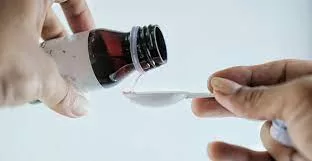
A five-month-old infant girl from Chhindwara district, Madhya Pradesh, died recently after consuming an Ayurvedic cough syrup amid growing concerns over the regulation and safety of traditional medicines for children. This tragedy, occurring in late October 2025, follows a series of fatal incidents linked to contaminated cough syrups in the region, spurring investigations by health authorities and the Ministry of Ayush to ensure stricter oversight and public safety.
Key Findings and Developments:
The infant, Ruhi Minote, had been experiencing cold and cough when her parents purchased an Ayurvedic syrup and medicinal powder from a local medical store on October 27. Despite being an ancient medicinal system trusted by millions, the syrup reportedly led to a rapid deterioration in her condition, culminating in her death just hours after administration. The Chhindwara administration promptly sealed the medical store and seized remaining stocks, sending samples for rigorous laboratory analysis, including forensic examination. This case marks an alarming continuation of a recent wave of at least 25 child deaths connected to similar syrups, including an allopathic syrup ‘Coldrif’ contaminated with the toxic compound diethylene glycol.
Expert Commentary and Perspectives:
Dr. Naresh Gonne, Chief Medical and Health Officer of Chhindwara, confirmed that investigations are ongoing to establish the exact cause of death, with a criminal case registered under relevant drug safety laws. Medical experts caution that Ayurvedic formulations, while holistic, can be hazardous if improperly manufactured or used, especially for vulnerable infants. Registered pediatricians emphasize the necessity of medical supervision before administering any traditional or herbal remedies to young children.
Dr. Rekha Radhamony, an Ayurveda expert, highlights that certain Ayurvedic herbs contain metals like arsenic, lead, or mercury, and high doses or prolonged use can cause adverse effects including liver injury, abdominal discomfort, or allergic reactions. She stresses the importance of quality control and advises consulting qualified Ayurvedic practitioners to minimize risks.
Context and Background:
Ayurveda, with a millennia-old tradition, emphasizes natural, holistic healing but lacks standardized regulation comparable to allopathic medicines in many regions. Several investigations reveal that some Ayurvedic preparations may contain intentional or accidental heavy metals. The severity of these contaminants ranges from mild side effects to fatal outcomes, as evident from recent fatalities in Madhya Pradesh. The Ministry of Ayush collaborates with state authorities to uphold stringent quality standards and promote safe usage practices.
Public Health Implications:
The incident underscores crucial public health concerns regarding the unregulated sale and administration of Ayurvedic and other traditional medicines for infants and young children. It points to an urgent need for heightened pharmacovigilance, public awareness campaigns discouraging unsupervised use, and enhanced regulatory frameworks ensuring medicine safety and efficacy. Pediatric health specialists urge parents to seek professional advice before administering any medicaments, herbal or otherwise, to infants.
Limitations and Conflicting Views:
Despite inherent risks, many practitioners advocate Ayurveda’s benefits when practiced under expert guidance and quality assurance. Critics argue that the benefits of traditional medicine should not be dismissed outright but balanced with scientific validation and stringent oversight. The ongoing investigations in Chhindwara are expected to clarify whether contamination or other factors contributed to the infant’s death, providing important lessons for future safety protocols.
Practical Implications for Readers:
Parents and caregivers should critically assess the safety of Ayurvedic products for infants, consult healthcare professionals, and monitor official health advisories. Over-the-counter and unverified herbal medicines for children can pose serious health risks, including fatal toxicity due to contaminants or inappropriate formulations.
Medical Disclaimer:
This article is for informational purposes only and should not be considered medical advice. Always consult with qualified healthcare professionals before making any health-related decisions or changes to your treatment plan. The information presented here is based on current research and expert opinions, which may evolve as new evidence emerges.
References: