 0
0
 0
0
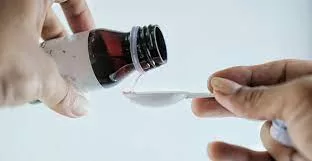
A serious health crisis has emerged in Rajasthan, India, following the deaths of several children linked to consumption of a government-supplied cough syrup containing Dextromethorphan Hydrobromide. Investigations reveal that the syrup, produced by Jaipur-based Kayson Pharma, is under scrutiny after multiple adverse reactions and fatalities, raising pressing questions about medication safety and regulatory oversight in pediatric care.
Key Incident Details
The tragic case of a five-year-old boy, Nitish Sharma, from Sikar district who died shortly after being administered the syrup under the Rajasthan government’s free medicine scheme has attracted intense media and official attention. Despite Nitish receiving medicine from the local Community Health Centre (CHC), the attending doctor reportedly did not prescribe this specific syrup, underscoring potential gaps in supply chain and administration protocols. Similar cases include a two-year-old who died in Bharatpur and a critically ill three-year-old in Jaipur after consuming the same syrup batch.
Investigation and Official Response
Following these events, Rajasthan Medical Services Corporation Limited halted all supply of the implicated batches. Samples of the syrup have been fast-tracked to the state drug testing laboratory, with results expected imminently. The state government has also initiated a formal probe led by a committee comprising officials responsible for quality control and logistics. The investigation focuses on specific batches—KL-25/147 and KL-25/148—which have been linked with severe symptoms such as vomiting, dizziness, unconsciousness, and ultimately death.
Background on Dextromethorphan Hydrobromide
Dextromethorphan is a common antitussive (cough suppressant) ingredient found in many over-the-counter syrups worldwide. While generally safe in adults at recommended doses (10–20 mg every 4 hours, max 120 mg/day), it requires cautious use in children. Medical guidelines advise against its use in children under four years and recommend strict medical supervision for those aged 4-6. The recent cases highlight concerns about its unregulated administration in pediatric populations, especially in government healthcare settings.
Historical Context and Regulatory Actions
This tragedy echoes a global pattern of cough syrup-related child deaths. Notably, in 2022, contaminated Indian-made cough syrups caused over 60 child fatalities in The Gambia. These syrups contained toxic diethylene glycol and ethylene glycol compounds, causing acute kidney injuries. In response, Indian regulators banned multiple unapproved cough syrup combinations and mandated rigorous testing and certification for export batches since 2023. Despite these measures, inspections in recent years found 36% of drug manufacturing facilities in violation of quality standards, with some forced to shut down operations.
Expert Perspectives
Dr. Ranjit Benda, a medical jurist, stated that the rapid decline in children’s condition after syrup intake raises significant concerns about batch contamination and quality assurance failures. Public health experts emphasize that the administration of syrups should be evidence-based, particularly in vulnerable populations. The situation underlines gaps in the monitoring of free medicine schemes and the urgent need for stringent drug safety protocols.
Public Health Implications
This incident has broad implications for child health policy and medication safety in India. It reveals vulnerabilities in supply and prescription systems in rural health centers, underscoring the need to strengthen regulatory oversight, batch tracking, and adverse effect reporting mechanisms. Parents are urged to exercise caution regarding over-the-counter cough medicines for children and seek professional advice before administration. The cases also reignite debate over the necessity of cough syrups in pediatric care, as some experts argue that many mild respiratory infections are self-limiting and may be managed without these drugs.
Limitations and Conflicting Views
While investigations are ongoing, definitive conclusions about causality are pending laboratory results. Officials caution against premature judgments until batch analyses are complete. There is also discussion around whether the syrup was prescribed correctly or administered inadvertently outside official channels, complicating the accountability framework. Some healthcare professionals advocate for minimizing pediatric cough syrup use altogether due to potential risks and lack of clear evidence for efficacy in young children.
Medical Disclaimer: This article is for informational purposes only and should not be considered medical advice. Always consult with qualified healthcare professionals before making any health-related decisions or changes to your treatment plan. The information presented here is based on current research and expert opinions, which may evolve as new evidence emerges.
References