 0
0
 0
0
Jabalpur, Madhya Pradesh | January 17, 2026
In a case that has sent shockwaves through the Indian healthcare system and devastated dozens of families, the Madhya Pradesh High Court on Friday heard a bail petition from Dr. Praveen Soni, the primary accused in the Chhindwara poisonous cough syrup tragedy.
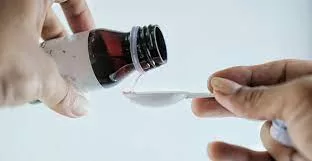
Dr. Soni, a government pediatrician arrested on October 6, 2025, is facing charges related to the deaths of at least 24 children who succumbed to acute kidney failure after consuming “Coldrif,” a cough syrup later found to be heavily contaminated with industrial toxins. During the proceedings, Dr. Soni’s legal counsel argued that the responsibility for the fatalities lies solely with the manufacturing company, Sresan Pharmaceuticals, rather than the prescribing physician.
The court has scheduled the next hearing for January 20, 2026, as the state government and interveners prepare to present arguments against the doctor’s release.
The Allegations: Commissions and Contamination
The investigation into the Chhindwara case has revealed a deeply troubling nexus between medical practice and pharmaceutical sales. Authorities allege that Dr. Soni operated a private clinic where he frequently prescribed the Coldrif brand. Evidence presented in court suggests Dr. Soni received a 10% commission for every bottle prescribed.
Furthermore, the conflict of interest extended to his family; his wife, Dr. Jyoti Soni, reportedly owned the pharmacy adjacent to the clinic, which allegedly earned a 27% commission on sales of the same syrup.
Laboratory analysis of Coldrif samples conducted by state authorities revealed a catastrophic failure in quality control. Tests confirmed that the syrup contained 48.6% diethylene glycol (DEG)—a toxic industrial solvent used in antifreeze. This concentration is nearly 500 times the permissible limit of 0.1% set by the World Health Organization (WHO).
The Toll on Human Life
The scale of the tragedy is measured in the lives of children, most under the age of five, who died within a harrowing 45-day window. The victims suffered from “anuria”—the inability to pass urine—followed by rapid-onset renal failure. Among the 24 deceased are:
-
Mayank Suryavanshi (3.5 years)
-
Divyanshu Yaduwanshi (6 years)
-
Sehrish Syed Ali (6 months)
-
Hitansh Soni (5 years)
Expert Perspectives: Systemic Failure vs. Individual Negligence
The case has sparked a fierce debate within the medical community. While the police highlight the kickbacks as evidence of criminal intent, some medical bodies argue that doctors should not be held liable for the chemical purity of licensed drugs.
“A physician’s role is to prescribe a medication that has been approved by the national regulator,” says Dr. Rajesh Sharma, a public health advocate not involved in the case. “However, the allegations of high commissions for a specific, obscure brand raise serious ethical and potentially criminal questions about the motive behind the prescription.”
Independent experts point out that the symptoms of DEG poisoning—vomiting, abdominal pain, and decreased urine output—often mimic other illnesses, making early detection difficult for parents.
Public Health Implications and Regulatory Gaps
This incident is not an isolated one. In recent years, India-made cough syrups have been linked to over 140 deaths globally, including in The Gambia and Uzbekistan.
In response to the Chhindwara tragedy, the Indian government has accelerated a mandate requiring all pharmaceutical companies to upgrade their facilities to WHO-recommended standards. While large firms have complied, many smaller manufacturers, like Sresan Pharmaceuticals, have struggled to meet these safety benchmarks, citing high costs.
What Consumers Need to Know
For parents and caregivers, the Chhindwara case serves as a grim reminder of the risks associated with unregulated or “fixed-dose combination” (FDC) syrups. Health authorities recommend the following:
-
Check the Label: Avoid syrups that do not clearly list a reputable manufacturer.
-
Consult Guidelines: The Ministry of Health advises against giving most cough and cold FDCs to children under the age of four.
-
Monitor Symptoms: If a child develops swelling or difficulty urinating after taking medication, seek emergency care immediately.
Limitations and Counterarguments
Dr. Soni’s defense maintains that he prescribed the medication in “good faith,” noting that the syrup was legally available in the market and had not been banned at the time of the prescriptions. His supporters within the medical community argue that the primary failure rests with the Central Drugs Standard Control Organization (CDSCO) for allowing contaminated products to reach pharmacy shelves.
As the High Court prepares for the January 20 hearing, the focus remains on whether a doctor can be held criminally responsible for a manufacturer’s lethal negligence when a financial incentive is involved.
Reference Section
- https://www.freepressjournal.in/bhopal/mp-cough-syrup-case-accused-doctor-praveen-soni-blames-on-manufacturing-company-during-high-court-hearing
Medical Disclaimer: This article is for informational purposes only and should not be considered medical advice. Always consult with qualified healthcare professionals before making any health-related decisions or changes to your treatment plan. The information presented here is based on current research and expert opinions, which may evolve as new evidence emerges.