 0
0
 0
0
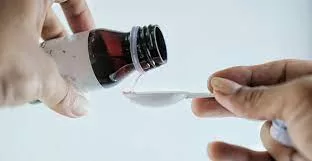
In a tragic public health incident, the State Drug Testing Laboratory of Tamil Nadu has detected diethylene glycol (DEG), a toxic contaminant, in cough syrup samples linked to the deaths of nine children in Madhya Pradesh’s Chhindwara district. The affected cough syrup, Coldrif, manufactured by Tamil Nadu-based Sresan Pharma, was found to contain DEG beyond permissible limits, potentially causing kidney failure in the children over the past month. This discovery was made after samples were collected from the manufacturer’s premises following a request from the Madhya Pradesh government.
The Union Health Ministry confirmed that a multidisciplinary expert team from National Institute of Virology (NIV), Indian Council of Medical Research (ICMR), National Environmental Engineering Research Institute (NEERI), Central Drugs Standard Control Organization (CDSCO), and AIIMS Nagpur is still analyzing different samples and factors to fully assess the cause of deaths. Earlier tests by CDSCO and the Madhya Pradesh state drug regulator had reportedly found the syrup free of DEG contaminants, highlighting ongoing complexity in the investigation.
Madhya Pradesh Chief Minister Mohan Yadav expressed deep sorrow over the children’s deaths and announced a state-level investigation. A ban on Coldrif syrup and other products manufactured by Sresan Pharma has been imposed throughout Madhya Pradesh to prevent further harm. Coldrif syrup is commonly prescribed for children with cough and cold symptoms and contains active ingredients Chlorpheniramine Maleate, Paracetamol, and Phenylephrine.
Medical experts emphasize that diethylene glycol is a highly toxic substance that can cause acute kidney injury and multi-organ failure if ingested. DEG is sometimes wrongly used as a cheaper substitute for glycerin, a safe solvent in medicines, leading to fatal poisoning incidents historically. The presence of DEG in cough syrup is a serious regulatory and safety breach that necessitates vigilance in pharmaceutical manufacturing and supply chains.
The findings underscore crucial public health implications: the need for stringent quality control in drug manufacturing, robust drug surveillance by regulators, and awareness among prescribers and consumers about potential medication risks. This incident also raises questions about the detection capabilities and coordination among different drug testing authorities, given the contradictory test results initially reported.
Healthcare professionals urge caregivers to seek prompt medical advice if children show unusual symptoms after medication use, especially signs of kidney or neurological injury, and to report adverse events to authorities. While cold and cough medications are widely used, their safety must be assured through reliable regulation and monitoring.
Potential limitations of the current data include ongoing investigations, the sample size tested, and the need to rule out other contributing factors to the deaths. Balancing precaution with evidence, health authorities continue evaluating all aspects before issuing further public guidance.
Medical Disclaimer: This article is for informational purposes only and should not be considered medical advice. Always consult with qualified healthcare professionals before making any health-related decisions or changes to your treatment plan. The information presented here is based on current research and expert opinions, which may evolve as new evidence emerges.
References:
-
Economic Times Health, “Regulator finds toxic contaminant in cough syrup linked with deaths in MP,” October 2025.
- https://health.economictimes.indiatimes.com/news/policy/regulator-finds-toxic-contaminant-in-cough-syrup-linked-with-deaths-in-mp/124309016?utm_source=top_story&utm_medium=homepage