 0
0
 0
0
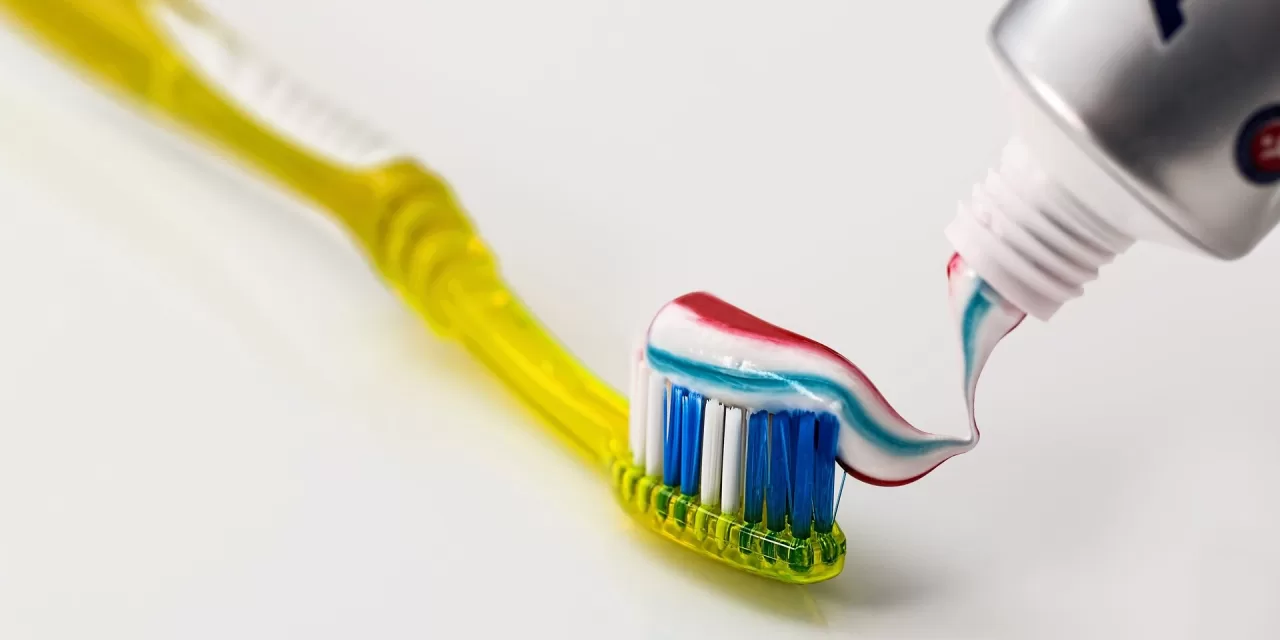
In a remarkable stride toward sustainable dental care, researchers from King’s College London have developed a novel toothpaste formulated from keratin—the structural protein found abundantly in human hair and wool. This innovative approach aims not just to protect, but to actually rebuild damaged tooth enamel, offering new hope for the millions affected by tooth decay worldwide.
Tooth decay is the globe’s most prevalent oral health issue. Traditional toothpastes, particularly those containing fluoride, help reduce cavity risk but cannot regenerate enamel or replace minerals once severe damage occurs. Dentists often rely on resin-based or composite treatments, but these can introduce toxic by-products, carry failure risks, and require periodic replacements.
The research, led by Sara Gamea and Dr. Sherif Elsharkawy, harnesses the natural process of biomineralization—how living tissues like teeth organize hydroxyapatite minerals to achieve their signature strength. The team developed water-based keratin films that self-assemble and act as templates for organizing minerals from saliva into new, enamel-like layers on the tooth surface.
Lab tests have shown that keratin-based formulas can infiltrate early enamel lesions, guiding the growth of tightly packed mineral crystals that restore both the appearance and mechanical integrity of teeth—all without drilling. The scientists envision two delivery modes: an everyday toothpaste for widespread preventive use and a professional-strength gel for targeted dental treatments.
Sustainability is a key principle behind this platform. Keratin is harvestable from hair and wool waste streams, giving a second life to material that would otherwise be discarded. It avoids petroleum-derived plastics and aligns with the growing trend toward circular, low-impact materials in healthcare.
However, widespread adoption faces hurdles. Large-scale production from biological waste requires careful sourcing, processing, and transparent consumer education to foster trust—some may pause at the idea of toothpaste sourced from hair. Critical safety evaluations, regulatory reviews, and long-term clinical trials will be needed before keratin-based toothpaste can hit shelves. Both U.S. FDA and European regulators are expected to require rigorous evidence of efficacy, safety against contaminants, and biocompatibility.
If further research succeeds, keratin-based toothpaste could become a transformative, eco-friendly alternative to current dental treatments, potentially reducing reliance on plastics and offering teeth not just protection, but genuine restoration.
Disclaimer: This article is for informational purposes only and does not constitute medical advice. For diagnosis or treatment of dental conditions, consult a qualified dental professional.
Reference: “Toothpaste made from hair helps rebuild damaged tooth enamel.” Earth.com.