 0
0
 0
0
PHNOM PENH, October 17, 2025 — Cambodia’s Ministry of Health has confirmed the country’s 16th human infection with the H5N1 avian influenza virus this year, after a three-year-old girl from Kampong Speu province tested positive for the deadly bird flu strain. The case, verified by the National Institute of Public Health on October 15, underscores continuing zoonotic spillovers in Southeast Asia even as global health agencies stress that the public risk remains low.
The Latest Case
According to the Cambodian Ministry of Health, the toddler developed fever, cough, diarrhea, and abdominal pain before being hospitalized. She is currently under intensive medical care. Laboratory testing confirmed the H5N1 infection—commonly known as bird flu—and field investigations revealed that chickens and ducks at her home and neighboring properties had died in the week before her illness.
Health workers have distributed oseltamivir (Tamiflu), an antiviral drug used to prevent further transmission, to the girl’s close contacts, following standard containment protocols. Authorities have also begun active surveillance and environmental sampling to identify possible sources of infection and prevent any wider spread.
National Situation and Statistics
The new case brings Cambodia’s 2025 tally to 16 laboratory-confirmed H5N1 infections, including five deaths, as reported by the Ministry of Health. This is consistent with data from the World Health Organization (WHO), which earlier this year recorded 11 confirmed cases and six deaths between January and July, noting that infections have re-emerged after nearly a decade of quiescence between 2014 and 2022.
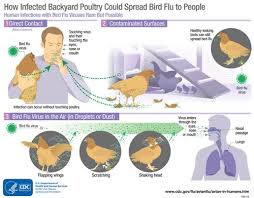
Since the virus resurfaced in 2023, Cambodia has reported 27 human infections and 12 fatalities, with most cases linked to direct contact with infected poultry. Epidemiological investigations have shown that backyard flocks remain a consistent risk vector, particularly in rural areas with limited veterinary oversight.
Expert Analysis and Risk Assessment
Dr. Maria Van Kerkhove, infectious disease specialist and head of the WHO’s Epidemic and Pandemic Preparedness division, emphasized in a July briefing that current H5N1 strains circulating in Cambodia belong to clade 2.3.2.1e, an older lineage distinct from the 2.3.4.4b strain spreading among poultry in North America. “At this stage, there is no evidence of sustained human-to-human transmission. The risk to the general population remains low,” she said.
Independent virologist Dr. Supatra Chenda from Phnom Penh’s Pasteur Institute also urged calm, saying that H5N1 infections continue to occur sporadically due to close contact between humans and infected birds. “These cases remind us of the need for biosecurity at the household level. People should avoid handling sick poultry and report unusual bird deaths to authorities,” she noted.
Broader Context: Global H5N1 Activity
Globally, the highly pathogenic H5N1 virus remains endemic among wild birds and poultry, with intermittent spillover to humans. The U.S. Centers for Disease Control and Prevention (CDC) notes that human infections typically result from direct or indirect exposure to infected animals rather than community transmission.
While Cambodia, Vietnam, and Indonesia have reported sporadic human cases in 2025, the overall number remains far below early 2000s levels. The joint FAO/WHO/WOAH risk assessment published in July 2025 characterized the global public-health risk from current H5N1 strains as low but evolving, particularly as the virus continues to diversify among bird populations.
Implications for Public Health
Public health experts emphasize surveillance, rapid reporting, and cross-sectoral coordination as critical defenses against potential pandemics. Cambodia’s National Centre for Parasitology, Entomology, and Malaria Control has deployed rapid response teams across Kampong Speu to track any secondary infections and expand monitoring in nearby poultry markets.
Regional collaborations through the Mekong Basin Disease Surveillance network also help countries share genomic data and outbreak intelligence. WHO has recommended enhancing vaccination of poultry, public education campaigns on hygiene, and the safe handling of birds to reduce cross-species transmission.
For individuals, preventive measures include avoiding contact with sick or dead poultry, ensuring poultry products are well-cooked, and seeking prompt medical care for flu-like symptoms after animal exposure.
Study Limitations and Emerging Questions
Despite enhanced surveillance, researchers caution that underreporting remains possible due to Cambodia’s rural geography and limited diagnostic capacity. Experts also note that while current strains show no adaptation for efficient human-to-human transmission, continual viral mutation warrants close monitoring.
Dr. Mark Ryan of WHO’s Health Emergencies Programme stated that vigilance is essential: “Each sporadic infection is a reminder that zoonotic viruses remain unpredictable. The key is maintaining readiness and ensuring that surveillance and containment capacities remain strong, even when case numbers are low.”
Conclusion
The latest case in Kampong Speu serves as a stark reminder of the delicate interface between human and animal health in Southeast Asia. While there is currently no sign of community transmission, sustained monitoring and preventive action remain vital to avert future outbreaks. For Cambodia, continued transparency, strengthened laboratory capacity, and community engagement will be central to keeping H5N1 at bay.
Medical Disclaimer:
This article is for informational purposes only and should not be considered medical advice. Always consult with qualified healthcare professionals before making any health-related decisions or changes to your treatment plan. The information presented here is based on current research and expert opinions, which may evolve as new evidence emerges.
References