 0
0
 0
0
Tamil Nadu is currently experiencing a surge in dengue cases, prompting the government to declare a red alert in three key districts—Chennai, Tiruvallur, and Coimbatore—as of early October 2025. The alarming rise has occurred over the past two to three weeks, with the state reporting more than 15,700 dengue infections and eight related deaths so far this year. This spike is closely associated with erratic weather patterns, including prolonged monsoon rains that foster mosquito breeding in stagnant water sources. Authorities have mobilized intensive mosquito-control measures, hospital preparedness, and public awareness campaigns to curb the outbreak.
Key Findings and Developments
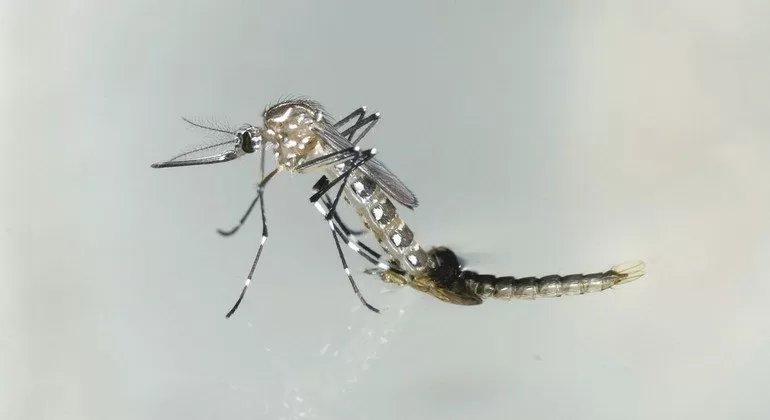
The Directorate of Public Health in Tamil Nadu has registered a total of 15,796 dengue cases in 2025, positioning the state as the highest among Indian states in dengue incidence this year. Chennai leads with 3,665 confirmed dengue cases among approximately 12,264 patients treated for fever. Tiruvallur and Coimbatore have also witnessed significant case numbers with 1,171 and 1,278 dengue infections respectively, out of thousands presenting with fever. Notably, eight fatalities linked to dengue have been reported this year, a figure considered manageable but nonetheless pressing. Experts attribute this surge primarily to the proliferation of the Aedes aegypti mosquito, which breeds in stagnant water such as unused containers, coconut shells, and rainwater accumulation in urban and residential areas.
Expert Perspectives
Tamil Nadu’s Health Minister Ma. Subramanian highlighted the government’s urgent measures, stating, “We have instructed all district health teams to speed up preventive measures and raise public awareness. Special mosquito eradication drives are underway, and hospitals are on high alert.” He further emphasized coordinated efforts with local bodies to identify and eliminate potential mosquito breeding sites, including inspecting overhead water tanks, open drains, and residential stagnant water. Medical professionals, both in government and private sectors, have been directed to prioritize early diagnosis and attentive monitoring of suspected dengue patients to reduce risks of complications.
Context and Background
Dengue vector control is especially challenging in tropical regions like Tamil Nadu during monsoon seasons. The Aedes mosquito, responsible for transmitting the dengue virus, thrives in water stagnation nurtured by erratic rains and urban water storage practices. Historically, dengue cases in Tamil Nadu escalate between August and October, coinciding with the monsoon period. Last year (2024), Tamil Nadu saw a much larger dengue outbreak with over 27,000 cases and 13 deaths. Comparatively, recent years recorded fewer cases, making this year’s surge notable. The northeast monsoon expected in October could exacerbate mosquito breeding and potential transmission if preventive efforts do not sustain effectiveness.
Implications for Public Health
This surge underscores the critical importance of sustained vector-control programs and community engagement to prevent dengue outbreaks. Public health officials stress the urgency to maintain hygienic environments free of stagnant water and properly use mosquito repellents and nets. Early identification of symptoms—high fever, severe headache, muscle and joint pain, rash—is vital, as severe dengue can lead to life-threatening complications. With eight deaths primarily attributed to comorbidities in infected patients, timely medical intervention is essential to reduce mortality. The government’s multi-pronged approach, including door-to-door inspections and public advisories, aims to curb transmission before the monsoon worsens the situation.
Limitations and Counterarguments
While the response is robust, challenges remain due to the densely populated urban environment where mosquito control is logistically complex. The fluctuating weather conditions and climate variability add unpredictability to mosquito breeding patterns. Officials admit that despite increased reporting and treatment, underreporting may exist, particularly in rural sectors where healthcare access is limited. Some experts caution that intensified fogging and insecticide use must be balanced with ecological considerations and potential insecticide resistance, advocating for integrated vector management combining environmental, biological, and chemical methods.
Practical Advice for Readers
Residents are urged to actively participate in cleaning surroundings, removing any containers or objects that hold water, covering water tanks properly, and using mosquito repellents especially during dawn and dusk. Prompt medical consultation is advised at the onset of fever or symptoms suggestive of dengue. Awareness of dengue transmission and preventive practices can substantially reduce individual and community risk.
Medical Disclaimer: This article is for informational purposes only and should not be considered medical advice. Always consult with qualified healthcare professionals before making any health-related decisions or changes to your treatment plan. The information presented here is based on current research and expert opinions, which may evolve as new evidence emerges.
References