 0
0
 0
0
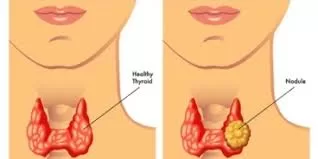
May 22, 2025 — The thyroid gland, a small butterfly-shaped organ located at the front of the neck, plays an outsized role in regulating the body’s metabolism, energy production, and overall hormonal balance. Despite its modest size, the thyroid’s influence is especially significant in women, affecting everything from puberty and fertility to pregnancy and menopause.
What Does the Thyroid Do?
The thyroid produces two main hormones: thyroxine (T4) and triiodothyronine (T3). While T4 is more abundant, T3 is the more active hormone at the tissue level. These hormones are crucial for controlling metabolism, heart rate, body temperature, and how the body utilizes energy in the form of ATP (adenosine triphosphate). The gland’s activity is regulated by signals from the brain, specifically the hypothalamus and pituitary gland.
When the thyroid is overactive (hyperthyroidism) or underactive (hypothyroidism), it can disrupt many bodily functions, leading to a wide range of symptoms and health issues.
Why Are Women More Affected?
Thyroid disorders are significantly more common in women than in men, with estimates suggesting that one in eight women will develop a thyroid problem in her lifetime. This increased risk is linked to hormonal fluctuations, such as those related to estrogen and pregnancy, which can trigger autoimmune thyroid conditions and make symptoms more pronounced in women.
Thyroid Disorders Across a Woman’s Life
-
Puberty: Hypothyroidism in girls can cause delayed puberty and short stature, while severe cases may rarely trigger early puberty. Undiagnosed thyroid issues can also lead to secondary polycystic ovary syndrome (PCOS).
-
Early Adulthood: Hypothyroidism often results in irregular or heavy periods and can mimic or worsen PCOS symptoms, which are sometimes reversible with proper thyroid treatment. Both hypo- and hyperthyroidism can cause fertility problems, sometimes only detected during infertility evaluations.
-
Pregnancy: Severe thyroid dysfunction increases the risk of pregnancy loss and complications. Mild hypothyroidism also raises the risk of issues during pregnancy, while mild hyperthyroidism is often tolerated but can be challenging to treat if severe, as some treatment options are limited during pregnancy.
-
Middle Age and Menopause: Uncontrolled hypothyroidism is associated with higher rates of heart disease, hypertension, diabetes, and dyslipidemia. Hyperthyroidism can weaken bones, increasing the risk of osteoporosis. Thyroid enlargement (goitre) is also more common in women and requires further evaluation to rule out underlying causes.
Prevention and Management
-
Iodine Intake: Using iodized salt is crucial, as iodine is necessary for normal thyroid function. Iodine deficiency can lead to thyroid disorders and goitre.
-
Healthy Lifestyle: A balanced diet and adequate sleep help lower the risk of thyroid dysfunction.
-
Early Diagnosis: Timely testing and diagnosis are essential. Not all abnormal thyroid test results require medication, so consulting an endocrinologist before starting treatment is recommended.
“A healthy thyroid ensures regular menstrual cycles by maintaining proper levels of estrogen and progesterone. However, if your thyroid starts underperforming (hypothyroidism) or becomes overactive (hyperthyroidism), menstrual irregularities often follow. Women with thyroid imbalances may notice changes in fertility, mood, and overall well-being.”
Conclusion
The thyroid gland, though tiny, wields significant influence over women’s health and fertility. Awareness, regular monitoring, and early intervention can help manage and prevent complications, ensuring better health outcomes for women at every stage of life.
Disclaimer:
This article is for informational purposes only and is not a substitute for professional medical advice. Always consult a qualified healthcare provider for diagnosis and treatment of thyroid or any other health conditions.
Citations: