 0
0
 0
0
New Delhi, August 1, 2025 – Indian health authorities have confirmed three cases of Nipah virus infection in Kerala’s Malappuram and Palakkad districts, with 677 close contacts traced to date, the government informed Parliament on Friday. The Union Minister of State for Health, Prataprao Jadhav, stated in a written Lok Sabha reply that immediate control measures are underway to contain the outbreak, which has also prompted alerts in neighbouring Kozhikode, Thrissur, and Wayanad districts.
The response has mobilized national and state health agencies to scale up surveillance, public awareness, and containment efforts in the affected regions. The outbreak comes as Kerala, with a history of recurring Nipah cases, remains under close watch due to the virus’s high fatality rate and tendency to spread in clusters—particularly among caregivers and immediate contacts.
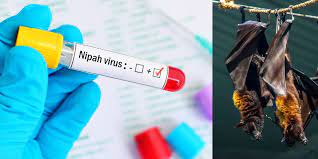
Nipah virus (NiV) is an emerging zoonotic pathogen that primarily affects pigs and humans, with fruit bats (Pteropid or “flying foxes”) believed to be the principal reservoirs. The majority of human infections in India have coincided with palm date sap collection season, and Kerala’s repeated outbreaks have highlighted the need for ongoing vigilance. The infection can transmit through bodily fluids, consumption of contaminated food, or close contact with infected animals or individuals.
A National Joint Outbreak Response Team—including experts from animal husbandry, forest and human health departments, and a specialist bat survey group—has been deployed to the region. Genome sequencing of the current virus strain shows a match with earlier Kerala outbreaks from 2019 and 2021, suggesting persistent local reservoirs of infection.
To reinforce response capacities, the Ministry of Health and Family Welfare is providing continued support via the countrywide Virus Research and Diagnostic Laboratories (VRDL) network, which ensures diagnostic supplies, PPE kits, and ongoing training for health personnel1. Extensive awareness campaigns for both healthcare providers and the public aim to promote early detection and rapid isolation of suspected cases.
The Integrated Disease Surveillance Programme (IDSP), operative in all Indian states and union territories, is essential to monitoring more than 50 epidemic-prone diseases nationwide, including Nipah. In addition, the Indian Council of Medical Research (ICMR) and the National Institute of Virology (NIV), Pune, have intensified surveillance for acute neurological and respiratory illnesses in Kerala and West Bengal since late 2024 as part of wider outbreak preparedness.
Further, the government has developed comprehensive Nipah management guidelines. Under the National One Health Programme for Prevention and Control of Zoonotic Diseases, all states and union territories have set up Zoonosis Committees to coordinate strategies against diseases like Nipah.
Local authorities have declared containment zones around affected households, stepped up door-to-door surveillance and contact tracing, and intensified fever surveillance in response to the outbreak. Public advisories include avoiding fruit potentially contaminated by bats and prompt medical attention for early symptoms.
Disclaimer: This article is based on information available from government releases and reputable news agencies as of August 2, 2025. Details, case numbers, and official guidelines may evolve as the situation develops. Readers are advised to follow updates from local health authorities and the Ministry of Health and Family Welfare for the latest information.