 0
0
 0
0
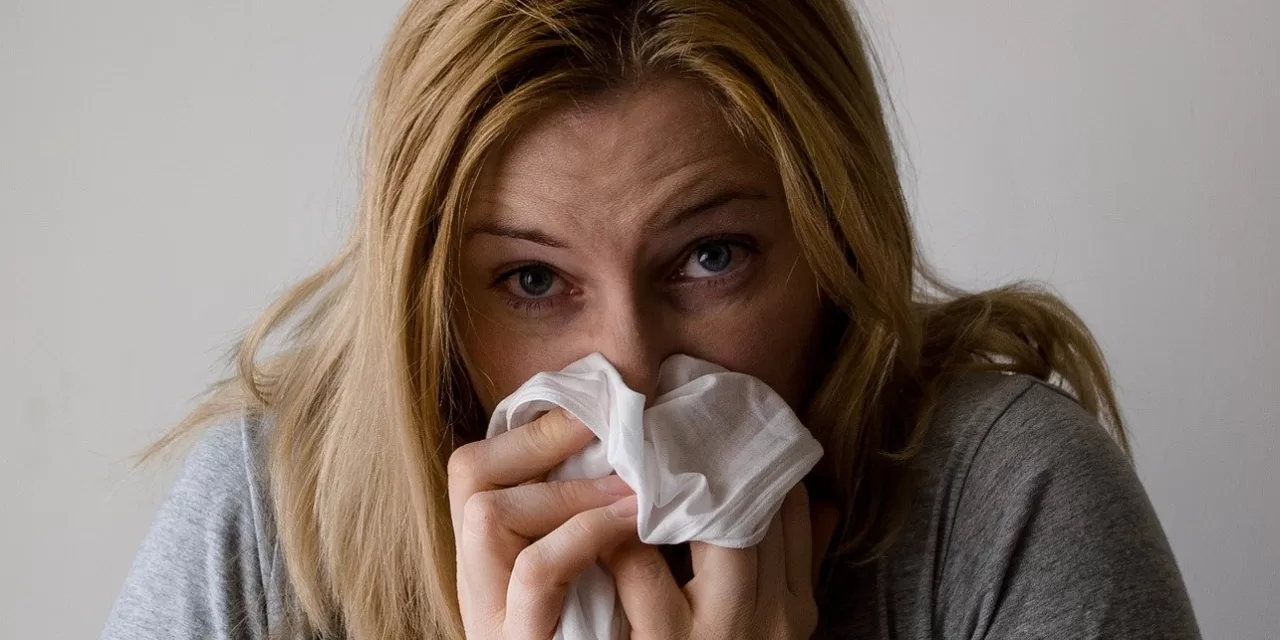
As the northern hemisphere tilts away from the sun and the period of Dakshinayana—the southern transit of the sun—reaches its cold, wintry conclusion, the human body undergoes a profound physiological shift. In the medical community, winter is synonymous with a “tripledemic” of respiratory syncytial virus (RSV), influenza, and rhinoviruses. Simultaneously, dermatologists report a seasonal surge in xerosis (severely dry skin) and eczema flare-ups.
While modern medicine offers vaccinations and antivirals, a growing body of integrative health experts is looking toward Ayurveda, India’s 5,000-year-old “science of life,” to bridge the gap between seasonal vulnerability and robust immunity. By aligning daily habits with the environmental shifts of winter, practitioners suggest we can do more than just survive the cold—we can thrive in it.
The Winter Challenge: Kapha, Vata, and the Respiratory System
In Ayurvedic physiology, winter is governed by the Hemanta (early winter) and Shishira (late winter) seasons. During this time, the environment takes on Rooksha (dry) and Sheetha (cold) qualities.
“From a clinical perspective, cold air acts as a vasoconstrictor in the nasal passages, which can inhibit the movement of cilia—the tiny hairs that clear mucus and pathogens from our airways,” explains Dr. Ananya Rajan, an integrative medicine specialist (not involved in the primary research). “Ayurveda describes this as an accumulation of Kapha (the water/earth element), which leads to the congestion, bronchitis, and pneumonia we see peaking in January.”
For the elderly, whose “respiratory reserve” is naturally lower, these seasonal shifts can be life-threatening. Finding ways to liquefy and expel this “stagnant Kapha” is the primary goal of winter Ayurvedic interventions.
Respiratory Resilience: Steam, Oil, and Airway Clearance
1. Nadi Swedam (Medicinal Steam)
One of the most effective ways to maintain the “mucociliary escalator”—the body’s natural debris-clearing mechanism—is through Nadi Swedam, or localized steam inhalation.
The Practice: Inhaling steam infused with turmeric (Curcuma longa) and Tulsi (Holy Basil).
The Science: A study published in the Journal of Ethno-pharmacology highlights that curcumin in turmeric possesses potent anti-inflammatory properties, while Tulsi acts as an immunomodulator.
Journalist’s Tip: Before steaming, lightly smear the nostrils with sesame oil (Tila Taila). This creates a lipid barrier that protects the delicate nasal mucosa from drying out in heated indoor air.
2. Nasyam (Nasal Therapy)
Following steam, Ayurveda recommends Nasyam—the administration of herbal oils into the nostrils.
-
Anutailam: This traditional oil is often used to lubricate the sinuses.
-
Ginger and Honey: For those with active congestion, a drop of ginger juice mixed with honey can act as a local stimulant to clear mucus.
“The nose is the doorway to the brain and the lungs,” says Dr. Rajan. “Keeping those passages lubricated prevents the micro-fissures in the skin where viruses often take hold.”
The Gut-Lung Axis: Why Digestion Matters for Breath
Modern science has recently “discovered” the gut-lung axis—the biochemical signaling that occurs between gut microbiota and the immune system in the lungs. Ayurveda has taught this for millennia through the concept of Agni (digestive fire).
Maintaining Vatanulomana (the downward movement of energy and regular bowel evacuation) is considered essential for Prana Vaha Srotas (respiratory health). If the gut is “clogged,” the lungs are thought to become more susceptible to congestion.
Practical Application: Paanajalam (Medicated Water)
Rather than ice-cold water, which can dampen Agni, experts recommend Paanajalam.
-
Recipe: Water boiled with cumin seeds (Jeeraka), Ajamoda (celery seeds), and Tulsi.
-
Alternative: Formulations like Dashamoolakatutraya Kashaya are frequently used in Ayurvedic clinics to manage chronic coughs by supporting both digestion and lung clearance.
Protecting the “First Line of Defense”: Winter Skin Care
The skin is the first organ to bear the brunt of winter’s dry (Rooksha) qualities. When the skin loses moisture, the barrier function is compromised, leading to “winter itch” and eczema.
Abhyanga (The Daily Oil Massage)
Self-massage, or Abhyanga, is not merely a luxury; it is a clinical necessity in cold climates.
-
For Dry/Cold Types (Vata/Kapha): Warm sesame oil is preferred for its warming and penetrative qualities.
-
For Sensitive/Inflamed Types (Pitta): Coconut oil provides a cooling, soothing effect.
External Fomentation
For those prone to chest infections, applying warmed oil mixed with rock salt over the chest, followed by a heat pack, can help vasodilation. A popular choice is Karpooradi Tailam, an oil infused with camphor that acts as a natural decongestant when applied topically.
Balancing the Perspective: What the Science Says
While Ayurvedic practices offer a holistic layer of protection, medical professionals urge caution.
“Ayurvedic remedies are excellent supportive therapies,” says Dr. Michael Chen, a pulmonologist. “However, they should not replace emergency interventions for pneumonia or severe asthma. If you experience shortness of breath, high fever, or blue-tinted lips, seek hospital care immediately.”
Furthermore, “mild purgation” or Virechanam—a seasonal detox—should only be performed under the guidance of a certified Ayurvedic practitioner, as improper use of laxative herbs can lead to dehydration, especially in the elderly.
Summary for the Health-Conscious Consumer
To stay healthy this winter, consider integrating these three pillars:
-
Hydrate Smarter: Switch to warm, spiced waters to support digestion and lung health.
-
Lubricate Daily: Use nasal oils (Nasyam) and body oils (Abhyanga) to maintain your physical barriers against the cold.
-
Steam Regularly: Use turmeric-infused steam to keep your airways clear of seasonal pollutants and pathogens.
By embracing these ancient rhythms, we do more than fight a cold; we align our internal biology with the world outside.
Medical Disclaimer
Medical Disclaimer: This article is for informational purposes only and should not be considered medical advice. Always consult with qualified healthcare professionals before making any health-related decisions or changes to your treatment plan. The information presented here is based on current research and expert opinions, which may evolve as new evidence emerges.
Reference Section
https://www.edexlive.com/news/embracing-the-cold-days-with-ayurveda