 0
0
 0
0
December 10, 2025
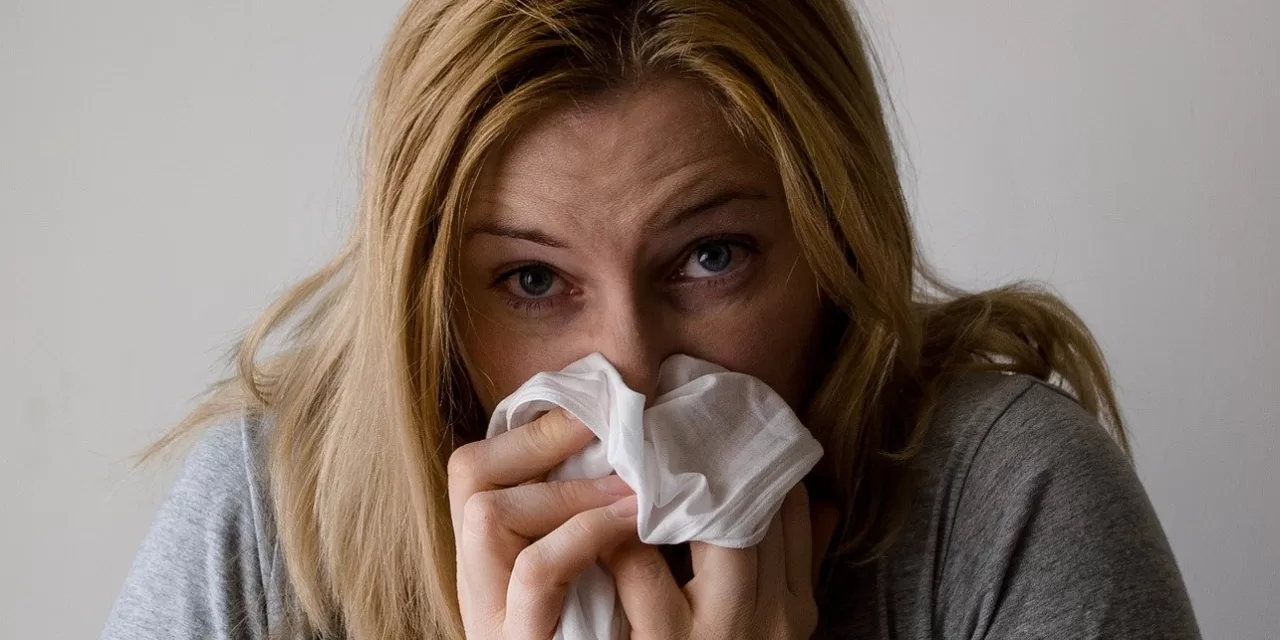
ASBURY PARK, NJ – As holiday gatherings ramp up and families travel across the country, a familiar sense of unease is settling in alongside the festive cheer. With emergency rooms reporting a seasonal uptick in respiratory visits, the burning question at every dinner table and office party is once again: “Is this just a cold, or is it the flu or COVID?”
Public health officials are urging caution as we enter the peak of the 2025 winter viral season. The convergence of influenza, COVID-19 variants, and the common cold—often exacerbated by Respiratory Syncytial Virus (RSV)—has created a complex landscape for diagnosis. Unlike the distinct waves of the early 2020s, these viruses are now circulating simultaneously, making symptom spotting more critical than ever.
“The overlap in symptoms this year is significant, which causes a lot of confusion for patients,” says Dr. Kathleen Cameron, Senior Director at the National Council on Aging (NCOA). “You can’t rely on guesswork anymore. What starts as a sniffle could be a mild cold, or it could be the onset of a highly contagious COVID variant that poses a risk to older relatives.”
The “Holiday Sickness” Spectrum: What to Look For
While definitive diagnosis requires testing, experts point to distinct patterns in how these illnesses manifest in late 2025.
The Common Cold: Gradual and Annoying The “common” cold remains true to its name, typically presenting with a gradual onset over a day or two.
-
Key Symptoms: Runny or stuffy nose, sneezing, and a mild sore throat.
-
The Differentiator: Fever is rare in adults with a cold. If you are still functioning relatively well despite the sniffles, it is likely a rhinovirus. “Colds tend to remain ‘above the neck,'” notes the UK Health Security Agency (UKHSA) in its October 2025 guidance.
The Flu (Influenza): The “Hit by a Truck” Feeling Influenza A and B strains are notoriously abrupt. One moment you feel fine; the next, you are bedridden.
-
Key Symptoms: High fever, severe body aches, chills, and exhaustion.
-
The Differentiator: The speed of onset. “Flu hits you fast and hard,” explains Dr. Brooke Bozick, an expert on respiratory diseases. “Unlike a cold that creeps up, the flu often knocks you off your feet within hours.”
COVID-19: The Shapeshifter As we approach the sixth year of living with SARS-CoV-2, the virus continues to evolve. The dominant variants circulating in late 2025 have shifted slightly in presentation.
-
Key Symptoms: Fatigue, fever, congestion, and cough remain staples. However, a specific symptom has re-emerged in recent reports: a sharp, intense sore throat, sometimes described by patients as feeling like “razor blades,” often appearing before other symptoms.
-
The Differentiator: While loss of taste and smell is less common than in 2020, it remains a specific indicator of COVID-19 if it occurs. Additionally, COVID-19 symptoms can fluctuate, sometimes improving before worsening again, a “waxing and waning” pattern less common with the flu.
Why Context Matters This December
The implications of misdiagnosis extend beyond personal discomfort. With the holidays bringing multi-generational families together, a “mild” infection in a healthy adult can translate to severe illness for grandparents or immunocompromised relatives.
Recent data suggests that while population immunity is high, the 2025-2026 viral strains are particularly adept at bypassing first-line defenses, leading to breakthrough infections. The “tripledemic” threat—the simultaneous peak of Flu, COVID, and RSV—continues to strain hospital resources in specific regions.
“We are seeing a lot of ‘presumed colds’ turning out to be COVID-19 upon testing,” warns Dr. Aubree Gordon, an infectious disease epidemiologist. “People assume that because their symptoms are mild, they aren’t contagious. That is a dangerous misconception during the holidays.”
Practical Steps for a Safer Season
Health authorities recommend a multi-layered approach to survive the season without canceling plans:
-
Test, Don’t Guess: At-home rapid tests for COVID-19 are still an effective first line of defense. If you have flu-like symptoms and test negative for COVID, consider visiting an urgent care for a flu test, especially if you are in a high-risk group.
-
Timing is Everything: Antivirals like Paxlovid (for COVID-19) and Tamiflu (for influenza) are most effective when taken within the first 3-5 days of symptom onset. Early testing facilitates early treatment.
-
Vaccination: It is not too late. The 2025-2026 formulations of the flu and COVID-19 vaccines provide updated protection against currently circulating strains. “Even if the vaccine doesn’t prevent infection 100% of the time, it drastically reduces the severity of the illness,” adds Dr. Cameron.
-
The “24-Hour Rule”: If you have a fever, stay home. Experts recommend being fever-free for at least 24 hours without medication before resuming social activities.
The Bottom Line
As we navigate another winter of respiratory viruses, the best gift you can give your family is health. If you are feeling unwell, the responsible choice is to stay home or wear a high-quality mask. The holiday turkey will taste much better when you—and your loved ones—are well enough to enjoy it.
Medical Disclaimer: This article is for informational purposes only and should not be considered medical advice. Always consult with qualified healthcare professionals before making any health-related decisions or changes to your treatment plan. The information presented here is based on current research and expert opinions, which may evolve as new evidence emerges.
References
-
UK Health Security Agency (UKHSA). (2025, October 8). Do I have flu, COVID-19 or a cold? Know the signs and symptoms. UKHSA Blog.