 0
0
 0
0
January 19, 2026
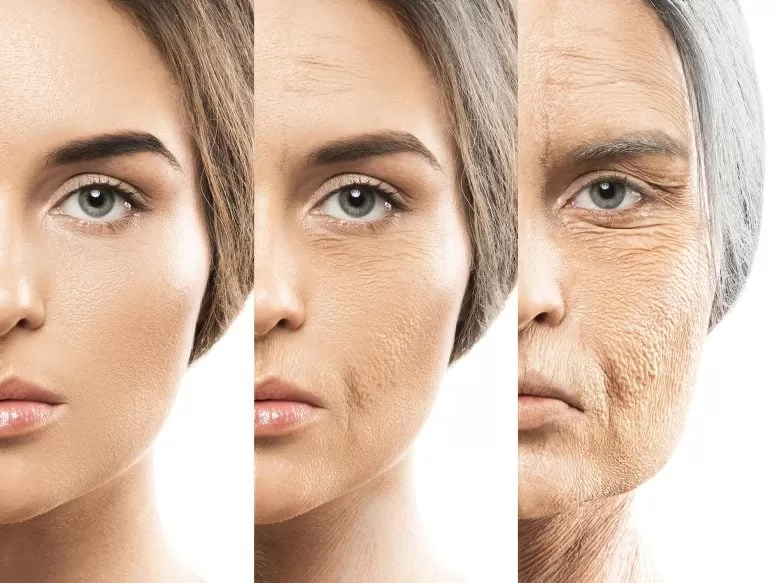
While the passage of time typically brings a decline in memory and processing speed, a rare group of octogenarians—known as “Super-Agers”—defies the biological clock, maintaining the cognitive sharpness of people decades younger. A groundbreaking study published this month in Alzheimer’s & Dementia has uncovered why: these individuals possess a unique “double-hit” of genetic advantages.
The research, led by the Vanderbilt University Medical Center (VUMC), analyzed data from over 18,000 participants to determine how the APOE gene influences extreme cognitive resilience. The findings suggest that Super-Agers are not just lucky; they are genetically fortified, harboring significantly lower levels of “risk” genes and higher levels of “protective” variants than the average older adult.
Decoding the APOE Gene: Risk vs. Resilience
To understand the study, one must understand the APOE gene, which provides instructions for making a protein that helps carry cholesterol and other types of fats in the bloodstream. Humans typically carry one of three versions (alleles) of this gene: $\epsilon2$, $\epsilon3$, or $\epsilon4$.
-
APOE-$\epsilon4$: Long recognized as the strongest genetic risk factor for late-onset Alzheimer’s Disease (AD).
-
APOE-$\epsilon2$: A rare variant believed to offer protection against neurodegeneration.
In this study, researchers defined Super-Agers as individuals aged 80 or older whose memory performance matched or exceeded the average scores of cognitively normal adults aged 50 to 64.
Key Findings: A Genetic “Shield”
The VUMC study, which included 1,623 Super-Agers across different racial and ethnic backgrounds, revealed a stark contrast in genetic makeup compared to both those with dementia and those considered “cognitively normal” for their age.
1. The Absence of Risk
The most striking discovery was the rarity of the APOE-$\epsilon4$ “risk” variant among Super-Agers.
-
Super-Agers were 68% less likely to carry the $\epsilon4$ variant than individuals with Alzheimer’s dementia in the same age group.
-
Even more significantly, Super-Agers were 19% less likely to carry the $\epsilon4$ variant than cognitively normal peers.
“This suggests that the super-ager phenotype can be used to identify a particularly exceptional group,” says Leslie Gaynor, Ph.D., assistant professor of Medicine at VUMC and lead author of the study. “Even among those who reach 80 without dementia, Super-Agers stand out as having a uniquely reduced genetic risk profile.”
2. The Presence of Protection
For the first time, this large-scale data confirmed that the “protective” APOE-$\epsilon2$ variant is a hallmark of the Super-Ager.
-
Super-Agers were 28% more likely to carry APOE-$\epsilon2$ than cognitively normal controls.
-
They were 103% more likely to carry this variant than those diagnosed with Alzheimer’s.
| Participant Group (80+) | Likelihood of Carrying APOE-ϵ4 (Risk) | Likelihood of Carrying APOE-ϵ2 (Protective) |
| Super-Ager | Lowest | Highest |
| Cognitively Normal | Moderate | Moderate |
| AD Dementia | Highest | Lowest |
Why This Matters for Public Health
As the global population ages, the burden of Alzheimer’s Disease is expected to triple by 2050. Understanding the biological mechanisms of those who don’t get the disease is just as important as studying those who do.
“We have spent decades looking at what goes wrong in the brain,” says Dr. Elena Rossi, a geriatrician not involved in the study. “This research shifts the focus to what goes right. If we can understand how the $\epsilon2$ variant protects the brain, we might be able to develop therapies that mimic that protection for everyone else.”
The study is also notable for its scale and diversity. By utilizing data from the Alzheimer’s Disease Sequencing Project (ADSP), researchers included 1,412 non-Hispanic white Super-Agers and 211 non-Hispanic Black Super-Agers, providing a more comprehensive look at how these genes behave across different populations.
Is Biology Destiny?
While the statistics are compelling, experts caution that genetics are only one piece of the puzzle. The APOE-$\epsilon4$ variant is a risk factor, not a diagnosis. Many people with the $\epsilon4$ gene never develop Alzheimer’s, and some Super-Agers in the study did carry the risk variant despite their high performance.
“Genetics load the gun, but lifestyle pulls the trigger,” notes Dr. Rossi. Factors such as cardiovascular health, education, social engagement, and diet are known to influence cognitive reserve—the brain’s ability to improvise and find alternate ways of getting a job done when faced with damage.
Limitations of the Study
-
Observational Nature: The study shows a correlation, not necessarily direct causation.
-
Survivorship Bias: Since the study looks at those who have already reached 80, it may naturally favor those with heart-healthy genetics, as APOE variants also affect cholesterol and stroke risk.
Practical Implications for You
What does this mean for the average person concerned about brain health?
-
Genetic Testing: While tests for APOE status are available, most major health organizations do not currently recommend them for the general public, as there is no “cure” for a high-risk result.
-
Focus on Modifiables: Since you cannot change your APOE alleles, focus on what you can control: managing blood pressure, staying physically active, and lifelong learning.
-
The “Resilience” Mindset: The existence of Super-Agers proves that significant cognitive decline is not an inevitable part of aging.
“Our findings encourage the view that the super-ager phenotype will prove useful in the continued search for mechanisms conferring resilience to Alzheimer’s,” concludes Dr. Gaynor.
As research continues, the goal is to translate these genetic “secrets” into preventative treatments, potentially allowing more of us to enter our ninth decade with the mental clarity of our youth.
References
-
Study: Gaynor, L. S., Durant, A., et al. (2026). Evaluating the association of APOE genotype and cognitive resilience in SuperAgers. Alzheimer’s & Dementia. DOI: 10.1002/alz.71024
Medical Disclaimer: This article is for informational purposes only and should not be considered medical advice. Always consult with qualified healthcare professionals before making any health-related decisions or changes to your treatment plan. The information presented here is based on current research and expert opinions, which may evolve as new evidence emerges.