 0
0
 0
0
NEW DELHI — A sweeping new study has revealed a startling crisis of confidence within India’s medical community. According to a comprehensive survey conducted by the Indian Medical Association (IMA) and various healthcare research partners, a staggering 91% of practicing doctors in India would not want their children to join the medical profession.
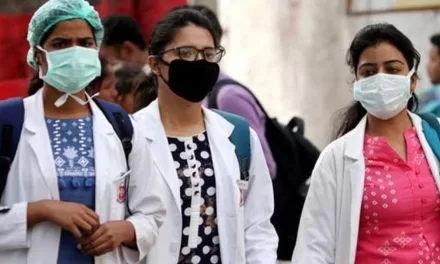
The findings, released this week, underscore a deepening disillusionment among the nation’s healers. While medicine has long been regarded as one of the most prestigious and sought-after careers in India, the report suggests that a toxic cocktail of rising workplace violence, grueling hours, stagnant compensation, and the erosion of the patient-physician relationship is driving a generational shift in how doctors view their own calling.
A Profession at a Breaking Point
The survey, which included responses from over 15,000 doctors across various specialties and geographic regions, paints a sobering picture of the modern Indian medic. Beyond the headline-grabbing figure regarding their children’s futures, the study found that 60% of doctors reported high levels of chronic stress, and nearly 45% admitted to experiencing symptoms of burnout.
“The white coat is becoming a heavy burden to carry,” says Dr. Rajesh Kumar, a senior cardiologist who participated in the study. “We enter this field out of a desire to serve, but the environment has become increasingly hostile. When you face the threat of physical assault in the ER or work 36-hour shifts without adequate rest, you start to ask yourself: ‘Would I really want my child to endure this?'”
The “why” behind this sentiment is multifaceted. The primary drivers cited by respondents include:
-
Workplace Violence: The study highlights a sharp uptick in physical and verbal abuse directed at medical staff by patients’ relatives.
-
The “Work-Life” Imbalance: Many junior doctors reported working 80 to 100 hours per week, leaving virtually no time for family or personal health.
-
Regulatory Pressures: An increasingly complex legal and regulatory landscape has led to a rise in defensive medicine, where doctors focus more on paperwork and liability than patient care.
-
Economic Disparity: While the cost of medical education has skyrocketed—often running into crores of rupees for private seats—the initial return on investment for young practitioners remains disproportionately low.
The Impact on Public Health
Public health experts warn that this internal crisis has significant implications for the future of healthcare in India. India already struggles with a doctor-to-population ratio that sits below the World Health Organization’s (WHO) recommended standard of 1:1,000. If the existing workforce is actively discouraging the next generation from entering the field, the shortage could reach catastrophic levels within the next two decades.
“This isn’t just a ‘doctor problem’; it’s a societal problem,” explains Dr. Ananya Sharma, a healthcare policy analyst not involved in the study. “If we lose the brightest minds to engineering, data science, or finance because the medical profession has become unsustainable, the quality of care for the average citizen will inevitably decline. We are witnessing the slow-motion erosion of our healthcare infrastructure.”
Furthermore, burnout doesn’t just affect the doctor; it affects the patient. Research consistently shows that exhausted healthcare workers are more prone to medical errors, have lower empathy levels, and experience decreased job performance.
A Global Phenomenon with Local Intensity
While physician burnout is a global issue—with the American Medical Association (AMA) reporting similar trends in the United States—the situation in India is exacerbated by specific cultural and structural factors.
In many Indian hospitals, particularly in the public sector, the patient load is overwhelming. It is not uncommon for a single physician to see upwards of 100 patients in a single OPD (Outpatient Department) session. When these high-pressure environments are combined with a lack of security personnel and a legal system that moves slowly to address medical negligence or violence, the result is a workforce that feels abandoned by the system.
Counterarguments and the “Silver Lining”
Despite the grim statistics, some veteran educators believe the data might be a “cry for help” rather than a definitive exit strategy.
“Doctors are inherently resilient,” says Dr. Vineet Gupta, Dean of a prominent medical college in Mumbai. “While 91% say they wouldn’t want their children in the field today, that is often a reflection of current frustrations. If we implement structural reforms—such as the Central Protection Act for healthcare workers and better shift management—we may see those numbers shift back.”
Some younger doctors also point out that the rise of digital health, tele-consultations, and medical technology offers new avenues for practicing medicine that are less physically demanding than traditional roles, potentially offering a more sustainable career path for the future.
The Road Ahead: What Needs to Change?
To bridge this trust gap, the IMA has called for immediate legislative action. Key demands include:
-
Stringent Central Laws: Implementing a non-bailable offense status for anyone who assaults a healthcare professional on duty.
-
Mental Health Support: Establishing mandatory counseling and wellness programs within medical colleges and hospitals.
-
Fair Compensation: Revising the pay scales for junior and resident doctors to reflect the cost of living and the intensity of their labor.
For the general public, the study serves as a reminder of the human element behind the stethoscope. Building a culture of “mutual respect” is essential. When patients and their families understand the constraints under which doctors operate, the likelihood of conflict decreases, creating a safer environment for healing.
Final Thoughts for the Reader
If you are a student considering a career in medicine, or a parent of one, these statistics should not necessarily serve as a deterrent, but as a call for informed decision-making. Medicine remains a noble and profoundly rewarding profession, but the “romanticized” version of the doctor’s life is being replaced by a more complex reality. Prospective students should look for programs that prioritize student well-being and advocate for systemic changes within the industry.
As a society, we must ask: If we do not care for our healers, who will be left to care for us?
Medical Disclaimer: This article is for informational purposes only and should not be considered medical advice. Always consult with qualified healthcare professionals before making any health-related decisions or changes to your treatment plan. The information presented here is based on current research and expert opinions, which may evolve as new evidence emerges.
References and Sources