 0
0
 0
0
NEW DELHI – In a move that promises to reshape the multi-billion dollar wellness industry and clarify consumer expectations, the Food Safety and Standards Authority of India (FSSAI) has issued a sweeping directive clarifying exactly what can—and cannot—be called “tea.”
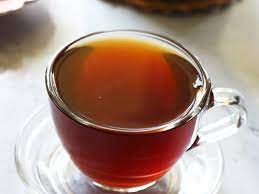
The national food regulator announced on December 25 that the term “tea” is now legally restricted to products derived exclusively from the Camellia sinensis plant. The crackdown targets the burgeoning “herbal tea” market, mandating that infusions made from flowers, roots, spices, or dried fruits—such as chamomile, hibiscus, and rooibos—must be labeled as “herbal infusions” or “botanical blends” rather than “tea.”
This regulatory pivot aims to eliminate consumer confusion and ensure that the distinct nutritional and chemical profiles of true tea are not conflated with herbal concoctions.
The Botanical Distinction: What’s in Your Cup?
For centuries, the word “tea” has been used colloquially to describe any plant matter steeped in hot water. However, scientifically and now legally in India, tea refers only to the leaves, buds, and internodes of Camellia sinensis. Depending on how these leaves are processed, they become green, black, oolong, or white tea.
“This isn’t just a matter of semantics; it’s a matter of biological identity,” says Dr. Ananya Sharma, a clinical nutritionist based in Mumbai. “True tea contains specific polyphenols like EGCG (epigallocatechin gallate) and natural caffeine. Herbal infusions, while often healthy, have entirely different chemical compositions. By mislabeling them, companies may inadvertently lead consumers to believe they are getting the specific antioxidant profile of tea when they are actually consuming a caffeine-free fruit or flower blend.”
The FSSAI’s directive stems from observations that many brands have used the word “tea” as a marketing “halo,” capitalizing on the well-documented cardiovascular and metabolic benefits of Camellia sinensis to sell products that do not contain a single tea leaf.
Cracking Down on the ‘Wellness Halo’
The global herbal tea market has seen an explosion in growth over the last decade, fueled by a consumer shift toward caffeine-free alternatives and holistic wellness. In India, a country with a deep-rooted history of Ayurveda, the line between medicinal decoctions (kadhas) and recreational beverages has often blurred.
Under the new guidelines, manufacturers have been given a grace period to update their packaging. Products that contain a blend of true tea and herbs may still use the word tea, provided the Camellia sinensis content is significant and clearly labeled. However, pure herbal products—like peppermint or ginger “tea”—must undergo a nomenclature makeover.
Statistical data from market research firms suggests that nearly 40% of consumers do not distinguish between herbal infusions and traditional tea regarding their health properties. The FSSAI hopes that clearer labeling will foster a more “health-literate” public.
Public Health Implications: Managing Expectations
From a public health perspective, the distinction is vital for managing dietary intake. For instance, individuals advised to avoid caffeine for medical reasons—such as those with certain heart arrhythmias or anxiety disorders—need to know with absolute certainty whether their “tea” contains the caffeine naturally found in Camellia sinensis.
Conversely, those seeking the metabolic-boosting properties of green tea need to know that a “herbal detox tea” containing only senna and lemon peel will not provide the same catechins.
“We see many patients who believe they are drinking five cups of ‘healthy tea’ a day, only to find out they are drinking herbal infusions that might actually be interfering with their medications,” explains Dr. Vikram Mehra, a gastroenterologist. “Some herbs, like St. John’s Wort or high doses of licorice root, can interact with blood thinners or blood pressure medications. Precise labeling is a safety requirement, not just a marketing one.”
Industry Reaction and Potential Hurdles
While health advocates have cheered the move, the beverage industry faces a logistical challenge. Small-scale organic farmers and major multinational corporations alike must now redesign labels, update digital marketing, and educate their supply chains.
Critics of the move argue that the term “herbal tea” is so deeply entrenched in the global vernacular that the change might cause more confusion in the short term. “The consumer knows what they are getting when they buy ‘Chamomile Tea,'” says a representative from a leading beverage export council. “Changing the name to ‘Infusion’ might lead some to think the product is a different type of extract or a chemical formulation.”
However, the FSSAI maintains that standardizing food definitions is essential for India’s alignment with international food standards, such as the Codex Alimentarius, which helps facilitate smoother global trade and ensures food safety.
What This Means for the Consumer
For the average shopper, the impact will be most visible in the supermarket aisles. Here is what to look for:
-
The Fine Print: Check the ingredients list for Camellia sinensis. If it isn’t there, the product is an infusion.
-
Functional Claims: Be wary of “teas” that promise weight loss or “detox” without containing actual tea leaves; these are often herbal laxatives.
-
Caffeine Content: Generally, if it is a “herbal infusion,” it is naturally caffeine-free (with the exception of Yerba Mate and Guayusa). If it is “tea,” it contains caffeine unless specifically decaffeinated.
As the industry pivots, the FSSAI’s crackdown serves as a reminder that in the world of health and nutrition, words matter. Whether you prefer the robust antioxidants of a black tea or the soothing properties of a lavender infusion, you will soon know exactly what is steeping in your pot.
Medical Disclaimer
This article is for informational purposes only and should not be considered medical advice. Always consult with qualified healthcare professionals before making any health-related decisions or changes to your treatment plan. The information presented here is based on current research and expert opinions, which may evolve as new evidence emerges.
References
Regulatory Source:
-
Food Safety and Standards Authority of India (FSSAI). (2025). Directive on Nomenclature of Tea and Herbal Infusions. [Notification No. FSSAI/Enf/2025].