 0
0
 0
0
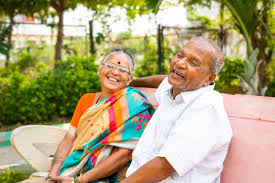
NEW DELHI — India is standing at a demographic crossroads. Long celebrated for its “demographic dividend” of young workers, the nation is now facing the rapid ascent of a “silver wave.” At a high-level summit held in the national capital this Tuesday, leading health authorities and policymakers issued a clarion call: India must pivot its healthcare strategy toward a home-based, community-led integrated model to prevent a looming geriatric crisis.
The mandate is clear: ageing in India can no longer be a private family struggle; it must become a national infrastructure priority.
A Shift in the National Pulse
According to the latest government projections, India’s senior citizen population (those aged 60 and above) is expected to surge to 230 million by 2036. This demographic shift means that within a decade, approximately 15% of the total population will require specialized care tailored to the complexities of ageing.
“Ageing is not just about adding years to life, but adding life to those years,” said Dr. Rajinder K. Dhamija, Director of the Institute of Human Behaviour and Allied Sciences (IHBAS). “Geriatric care must be coordinated, continuous, community-based, and compassionate. In an era of nuclear families, mental and emotional well-being are as critical as physical health.”
The Triple Threat: Health, Infrastructure, and Economics
Experts at the “Illness to Wellness” event highlighted that the challenges facing India’s elderly are multi-dimensional, creating a “triple threat” to public health:
-
Clinical Complexity: A sharp rise in non-communicable diseases (NCDs) such as hypertension and diabetes, alongside neurodegenerative conditions like Dementia and Alzheimer’s.
-
Structural Gaps: A significant urban-rural divide where 70% of the elderly reside in rural areas, while the majority of geriatric specialists are concentrated in tier-1 cities.
-
Economic Strain: Inadequate social security nets and skyrocketing out-of-pocket medical expenses are pushing elderly populations into financial vulnerability.
Prof. Nirmal Kumar Ganguly, Former Director General of the Indian Council of Medical Research (ICMR), emphasized that proactive management is key. “Mental engagement, social interaction, and the management of vision, hearing, and balance can dramatically improve quality of life,” he noted.
Moving Care from Hospitals to Homes
One of the most significant takeaways from the summit was the need to decentralize care. Rajesh Bhushan, Former Secretary of the Ministry of Health & Family Welfare, argued that the current reliance on “tertiary hospitals” (large, specialized medical centers) is unsustainable for a country of India’s scale.
“Many elderly health needs do not require hospitalization but can be effectively managed through trained caregivers and home-based services,” Bhushan stated. “The real challenge is scale, integration, and last-mile delivery.”
Lessons from Global Neighbors
Bhushan suggested that India look toward Japan and South Korea, nations that have successfully implemented “one-stop” elder care models. These models integrate:
-
Medical Services: Primary care and chronic disease management.
-
Rehabilitation: Physical therapy to maintain mobility and independence.
-
Social Support: Community centers that combat the “loneliness epidemic.”
The Digital and Physical Divide
Beyond medicine, the experts pointed to “environmental” barriers to healthy ageing. These include:
-
The Digital Divide: While telemedicine is booming, many seniors lack the “tech-literacy” or age-friendly interfaces needed to access digital health records or consultations.
-
Infrastructure Safety: Public transport and urban spaces remain largely inaccessible for those with mobility aids, increasing the risk of falls—a leading cause of injury-related death in the elderly.
Critical Perspectives and Limitations
While the call for a community-led model is robust, some public health analysts warn of significant hurdles. Transitioning to a home-based model requires a massive workforce of trained geriatric caregivers, a cadre that currently does not exist at scale in India.
Furthermore, critics point out that without mandatory health insurance or a universal pension scheme, even “community-based” care may remain a luxury for the upper-middle class, leaving the rural poor further behind.
What This Means for You
For Indian families, the shift toward integrated care suggests a change in how we view “old age.” It moves the focus from reactive treatment (going to the doctor when sick) to proactive wellness.
Practical Steps for Families:
-
Early Screening: Regular checks for vision, hearing, and cognitive health can prevent the “cascade of disability.”
-
Home Safety: Modifying homes with grab bars and improved lighting can reduce fall risks.
-
Social Integration: Encouraging seniors to remain active in community groups is clinically proven to slow cognitive decline.
As India prepares for 2036, the message from the experts is a sober reminder: a society is judged by how it treats its oldest members. Making geriatric care a “necessity rather than a luxury” is the first step toward a healthier, more equitable India.
Statistical Snapshot: India’s Ageing Reality
| Metric | Current Estimate (Approx.) | 2036 Projection |
| Total Elderly Population | 140-150 Million | 230 Million |
| Percentage of Total Population | 10-11% | 15% |
| Rural vs. Urban Distribution | 71% Rural | Shifting toward 65% Rural |
| Common Health Concerns | Hypertension, Diabetes, Cataracts | Dementia, Sarcopenia, Multi-morbidity |
References
https://tennews.in/geriatric-care-a-national-imperative-for-indias-ageing-population-say-experts/
Medical Disclaimer: This article is for informational purposes only and should not be considered medical advice. Always consult with qualified healthcare professionals before making any health-related decisions or changes to your treatment plan. The information presented here is based on current research and expert opinions, which may evolve as new evidence emerges.