 0
0
 0
0
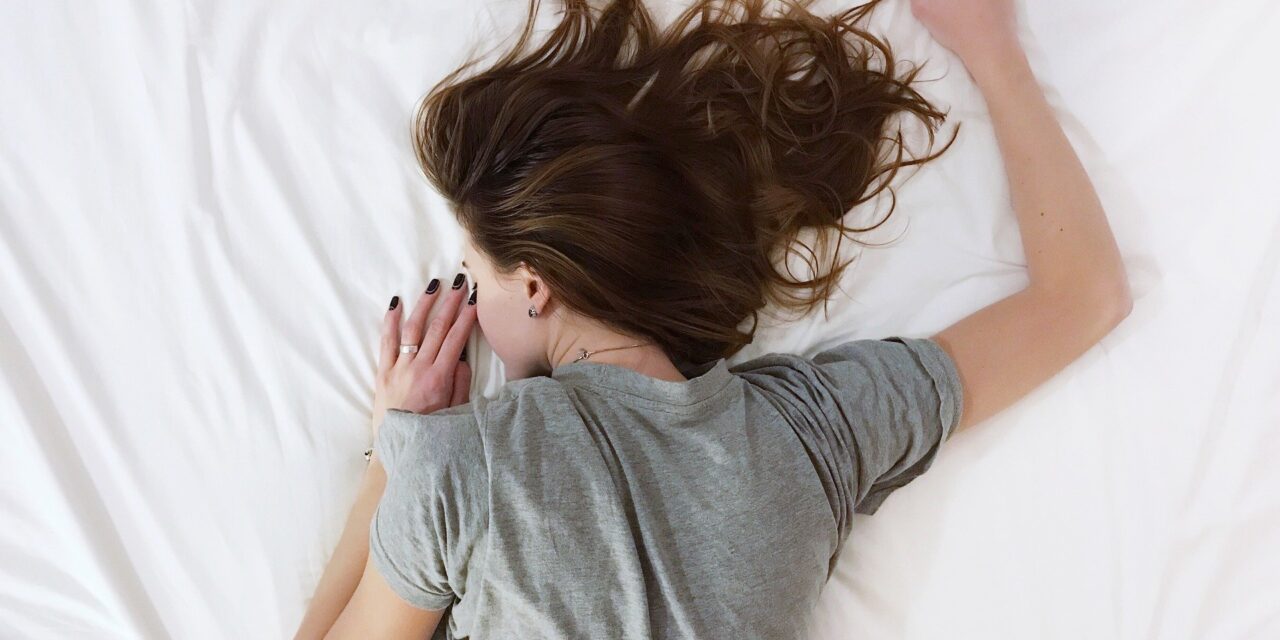
In the modern world, a “busy” lifestyle is often worn as a badge of honor. We sacrifice sleep to meet deadlines and carry the weight of chronic stress as an inevitable byproduct of ambition. However, a growing body of evidence suggests that the cost of this lifestyle is being paid in a currency we can ill afford: our immune system.
New research is shedding light on a troubling physiological phenomenon—how the dual pressures of psychological stress and sleep deprivation work in tandem to “quietly strip away” vital immune cells. This depletion leaves the body vulnerable not just to the common cold, but to long-term inflammatory conditions and reduced vaccine efficacy.
The Science of Depletion: What the Research Shows
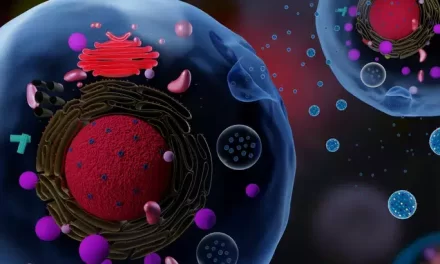
At the heart of this discovery is the relationship between the endocrine system and white blood cells, specifically T-cells and natural killer (NK) cells. These cells act as the body’s “special forces,” identifying and destroying virally infected cells and early-stage tumors.
Recent studies, including those highlighted by the Icahn School of Medicine at Mount Sinai and published in journals such as Immunity, demonstrate that sleep is not a passive state of rest, but an active period of “immune calibration.” When we sleep, the body lowers levels of adrenaline and prostaglandins, allowing immune cells to better “stick” to their targets.
Conversely, when stress hormones like cortisol and adrenaline remain elevated due to lack of sleep or chronic anxiety, the production and distribution of these cells are severely disrupted. “We are seeing that chronic stress doesn’t just make you feel tired; it actually alters the hematopoietic system—the factory where your blood cells are made,” says Dr. Elena Rossi, an immunologist not involved in the latest study. “The ‘progenitor’ cells in the bone marrow are essentially reprogrammed under stress, leading to an overproduction of inflammatory cells and a deficiency in protective ones.”
The “Double-Whammy” Effect
The danger lies in the synergistic effect of stress and sleeplessness. Sleep deprivation acts as a physical stressor, which in turn triggers a psychological stress response. This creates a feedback loop that accelerates the decline of immune competence.
-
The Adrenaline Blockade: High levels of stress hormones prevent T-cells from attaching to virus-infected cells. It is as if the immune system’s “velcro” has been smoothed over, preventing it from latching onto threats.
-
Bone Marrow Alteration: Prolonged stress signals the bone marrow to prioritize the production of white blood cells that cause inflammation, rather than those that fight infection.
-
Circadian Disruption: Our immune cells follow a 24-hour clock. When we stay awake, we desynchronize this clock, leading to a “confused” immune response that may attack healthy tissue or ignore actual pathogens.
Statistical Context: A Growing Public Health Crisis
The scale of the problem is significant. According to the Centers for Disease Control and Prevention (CDC), one in three American adults does not get enough sleep. When coupled with the American Psychological Association’s (APA) findings that 27% of adults report being so stressed they cannot function, the implications for public health are profound.
In clinical observations, individuals sleeping fewer than seven hours per night are nearly three times more likely to develop a cold when exposed to a virus compared to those sleeping eight hours or more. Furthermore, research indicates that sleep-deprived individuals produce fewer antibodies after receiving vaccinations, suggesting that our lifestyle choices may be undermining the tools we use to stay healthy.
Expert Perspectives: Beyond “Getting More Rest”
While the advice to “stress less and sleep more” is common, medical professionals emphasize that the solution requires a more nuanced approach.
“We have to stop treating sleep as a luxury,” says Dr. Marcus Thorne, a sleep medicine specialist. “It is a fundamental pillar of health, equal to nutrition and exercise. When you are sleep-deprived, your body exists in a state of high alert—a ‘fight or flight’ mode that was meant for escaping predators, not for sitting in traffic or answering emails at midnight.”
Dr. Thorne notes that the depletion of immune cells isn’t always something a patient can feel until they fall ill. “It’s a silent erosion. You don’t feel your T-cell count dropping; you only feel the pneumonia that hits you twice as hard because your defenses were down.”
Limitations and Considerations
It is important to note that the relationship between stress and immunity is highly individualized. Genetics, age, and underlying health conditions all play a role in how a person responds to environmental pressures.
Additionally, some researchers argue that “acute” stress—short-term pressure like a public speaking engagement—can actually temporarily boost the immune system by moving cells into the skin and lymph nodes where they are most likely to encounter pathogens. The danger, they clarify, is not the occasional late night or stressful day, but the chronic state of being “stressed and tired” that characterizes modern life.
Practical Steps for Protection
Understanding the biological mechanism allows for more targeted interventions. To protect your vital immune cells, experts recommend:
-
Priority Sleep Hygiene: Maintaining a consistent wake-sleep cycle to keep circadian rhythms in check.
-
Cognitive Buffering: Utilizing mindfulness or cognitive behavioral therapy (CBT) to reduce the perceived impact of psychological stress, thereby lowering cortisol levels.
-
Strategic Recovery: Recognizing that after a period of high stress, the body requires a “recovery period” where sleep and nutrition are prioritized to replenish the immune cell reservoir.
The Bottom Line
The research serves as a stark reminder that our mental state and our physical defenses are inextricably linked. Stress and sleeplessness do not just affect our mood; they fundamentally reshape our internal biology. By prioritizing rest and managing psychological pressure, we aren’t just “feeling better”—we are actively rebuilding the microscopic army that keeps us alive.
Medical Disclaimer: This article is for informational purposes only and should not be considered medical advice. Always consult with qualified healthcare professionals before making any health-related decisions or changes to your treatment plan. The information presented here is based on current research and expert opinions, which may evolve as new evidence emerges.
References
- https://scitechdaily.com/stress-and-sleepless-nights-quietly-strip-away-vital-immune-cells/