 0
0
 0
0
In the quiet, microscopic landscape of the human brain, Alzheimer’s disease begins its campaign of destruction decades before a person forgets a name or loses their way home. For years, the medical community has chased a “holy grail”: a way to intervene during this silent window.
Now, a pioneering clinical trial involving a new experimental monoclonal antibody is providing the strongest evidence yet that we may be able to slow—or even halt—the progression of Alzheimer’s disease before clinical symptoms ever appear. This development marks a fundamental shift in geriatric medicine, moving from reactive care to proactive prevention.
The Science of “Preclinical” Intervention
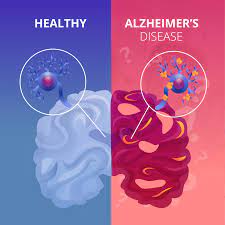
The study, recently highlighted in emerging clinical reports and discussed at major neurological summits, focuses on the “preclinical” stage of Alzheimer’s. This is the period where toxic proteins, specifically amyloid-beta, begin to form plaques in the brain, but the patient remains cognitively “normal.”
The experimental drug, a targeted immunotherapy, works by identifying and clearing these amyloid plaques before they can trigger the “tau tangles” that lead to neuronal death. Unlike previous generations of drugs that were administered to patients already suffering from moderate dementia, this treatment targets individuals identified through advanced PET scans and blood-based biomarkers as being at high risk.
“We are no longer just trying to put out the fire while the house is burning,” says Dr. Elena Rossi, a neurologist and researcher not involved in the study. “We are identifying the kindling and removing it before the first spark takes hold. This represents a sophisticated evolution in how we treat neurodegenerative diseases.”
Key Findings: Clarity in the Data
The phase 2 and early phase 3 data indicate that the drug significantly reduces amyloid levels in the brain compared to a placebo. More importantly, early longitudinal data suggests a “downstream” effect: a slowing of the biomarkers associated with neurodegeneration.
Key statistics from the ongoing research include:
-
Amyloid Clearance: Approximately 70% of participants reached “amyloid negative” status—meaning their plaque levels dropped below the threshold for an Alzheimer’s diagnosis—within 12 months of treatment.
-
Cognitive Preservation: Preliminary assessments suggest a 30% slower rate of decline in “subtle” cognitive tasks compared to the control group.
-
Study Scale: The research involves over 1,000 participants across multiple international sites, making it one of the most robust “pre-symptomatic” trials to date.
Why Timing is Everything
To understand why this matters, one must view Alzheimer’s as a biological clock. By the time a patient exhibits memory loss, significant portions of the hippocampus (the brain’s memory center) have already withered.
“The brain has a remarkable amount of redundancy,” explains Marcus Thorne, a clinical researcher specializing in neuro-biomarkers. “You can lose a lot of neurons and still function fine. But once you hit that ‘tipping point’ where symptoms appear, you’ve already lost the battle for those cells. Targeting the disease 10 to 15 years earlier is the only way to truly preserve the person.”
Potential Risks and Limitations
While the results are promising, the medical community remains cautiously optimistic. Monoclonal antibodies are not without risks. The primary concern is ARIA (Amyloid-Related Imaging Abnormalities), which can manifest as small areas of swelling or micro-hemorrhages in the brain.
While most cases of ARIA are asymptomatic and resolve on their own, they require frequent, expensive MRI monitoring. Furthermore, the drug requires intravenous infusion, posing a logistical challenge for widespread public health implementation.
There is also the “Amyloid Hypothesis” debate. Some researchers argue that while amyloid is a hallmark of the disease, it may not be the sole cause. Clearing it might not be enough if other factors—such as inflammation or metabolic dysfunction—are already in motion.
The Road Ahead: What This Means for You
For the general public, this news underscores the importance of the burgeoning field of “Brain Health.” We are entering an era where a routine blood test at age 55 might detect Alzheimer’s risk as easily as a cholesterol test detects heart disease risk.
If this experimental drug receives regulatory approval, it could lead to a screening paradigm where individuals with a family history of dementia undergo biomarker testing in middle age. Early identification would allow for lifestyle interventions—such as exercise and sleep hygiene—to be paired with pharmacological treatment for a multi-pronged defense.
A New Chapter in Aging
For decades, an Alzheimer’s diagnosis was viewed as a slow, inevitable decline. This new research challenges that narrative. By targeting the disease in its infancy, science is finally beginning to catch up to the “silent thief” of memory.
As the trials move into their final stages, the message to the public is clear: The future of Alzheimer’s care is not in the memory care ward, but in the preventative screening clinic.
Medical Disclaimer: This article is for informational purposes only and should not be considered medical advice. Always consult with qualified healthcare professionals before making any health-related decisions or changes to your treatment plan. The information presented here is based on current research and expert opinions, which may evolve as new evidence emerges.
References
- https://www.emedinexus.com/post/53272/New-Experimental-Drug-May-Help-Halt-Alzheimers-Before-Symptoms-Appear