 0
0
 0
0
NEW DELHI — In the high-stakes game of global health security, the next pandemic is not a question of “if” but “when.” As the world continues to navigate the long shadow of COVID-19, India’s top medical leadership is signaling a radical shift in how we prepare for the next invisible threat.
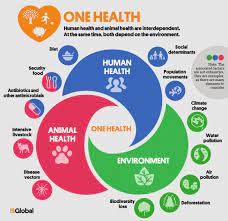
Speaking at VIROCON 2025, a premier international conference on virology, Dr. Rajiv Bahl, Director General of the Indian Council of Medical Research (ICMR), delivered a clear mandate: the era of reactive medicine must end. To survive future outbreaks, Bahl argues, India—and the world—must adopt a robust “One Health” approach, a strategy that treats the health of humans, animals, and the environment as a single, inseparable entity.
“Most pandemics over the past 100 years have been viral and zoonotic in nature,” Dr. Bahl told an audience of over 650 global delegates. “This underscores the absolute necessity for a coordinated One Health approach to develop effective countermeasures.”
The Zoonotic Connection: Why Animals Hold the Key
The logic behind One Health is grounded in a sobering statistic: approximately 75% of emerging infectious diseases in humans—including COVID-19, Ebola, and Avian Influenza—originate in animals. When we destroy forests, expand cities, or engage in intensive farming, we shrink the buffer between wildlife and people, creating “spillover” opportunities for pathogens to jump species.
Under the One Health framework, a sick bat in a remote forest or an unusual cluster of deaths in a poultry farm are no longer just “animal issues.” They are early warning sirens for a human catastrophe.
“One Health is not just a strategy; it’s a shift in mindset,” says Dr. Nivedita Gupta, Scientist G and Head of Communicable Diseases at ICMR. “By monitoring pathogens in the environment and in animals before they reach the human population, we gain the most precious commodity in a pandemic: time.”
India’s Strategic Roadmap
India is uniquely positioned as a potential “hotspot” for emerging diseases due to its high population density and rich biodiversity. To counter this, the government has launched the National One Health Mission (NOHM), a massive cross-ministerial effort coordinated by the ICMR.
The mission focuses on several critical pillars:
-
Integrated Surveillance: Monitoring “hotspots” where humans and animals interact closely, such as slaughterhouses, bird sanctuaries, and even urban wastewater systems.
-
High-Containment Labs: Expanding the network of Biosafety Level 3 (BSL-3) and BSL-4 laboratories—the “first line of defense” for identifying dangerous or mutating viruses.
-
Speedy Countermeasures: Leveraging “plug-and-play” vaccine platforms and CRISPR-based diagnostics to develop treatments in weeks rather than years.
Dr. Bahl emphasized that the goal is not just to build these tools, but to do so with “unprecedented speed.” During the conference, he highlighted that the ICMR is prioritizing research that yields “worthwhile” outcomes for society, moving beyond purely academic curiosity to tangible public health impact.
Expert Perspectives: The Missing Links
While the government’s push is significant, independent experts suggest that the “environmental” leg of the One Health tripod often receives the least attention.
“We are very good at human medicine and improving at veterinary science, but we still struggle to integrate environmental health data,” notes Dr. Sarah Jenkins, a global health security consultant not affiliated with the ICMR research. “Climate change is altering the migration patterns of birds and insects. If our surveillance doesn’t account for shifting climates and deforestation, we are still looking at an incomplete map.”
Furthermore, some public health advocates worry about the “laboratory-centric” nature of the current response. They argue that while BSL-4 labs are essential, the real battle is won at the community level. Ensuring that rural farmers and forest dwellers have the literacy to report sick animals without fear of losing their livelihoods is a critical, yet difficult, social challenge.
What This Means for You
For the average citizen, “One Health” might sound like high-level policy, but its implications reach the kitchen table. It means that the safety of your food, the cleanliness of your water, and the health of your pets are directly linked to your own immunity.
Practical steps for health-conscious consumers include:
-
Responsible Pet Ownership: Keeping pets vaccinated and reporting unusual symptoms to veterinarians.
-
Food Safety: Ensuring animal products are thoroughly cooked and sourced from regulated suppliers.
-
Environmental Stewardship: Supporting local conservation efforts that prevent habitat destruction, which in turn reduces human-wildlife conflict.
The Road Ahead: A Collective Responsibility
As VIROCON 2025 concluded, the message from leadership was one of cautious optimism. India is building the infrastructure—from 100 planned zoonotic sentinel sites to the National Institute of One Health in Nagpur—but the success of these programs depends on global cooperation.
“We do not have the luxury of waiting to see what happens later,” Dr. Bahl concluded. “We must work in unison—academia, industry, and government—to ensure we are better prepared for the next ‘Disease X’.”
In the fight against the next pandemic, the most powerful medicine may not be a pill or a shot, but the simple recognition that our health is only as strong as the world around us.
Medical Disclaimer: This article is for informational purposes only and should not be considered medical advice. Always consult with qualified healthcare professionals before making any health-related decisions or changes to your treatment plan. The information presented here is based on current research and expert opinions, which may evolve as new evidence emerges.
References
Study Citations & Reports:
-
Nagaland Tribune (Dec 17, 2025): “Need robust One Health approach, effective preparedness to combat future pandemics: Dr. Rajiv Bahl.”