 0
0
 0
0
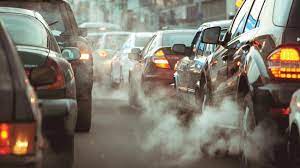
NEW DELHI – Residents of India’s capital are facing a public health emergency that transcends seasonal smog. New data and expert warnings reveal that chronic exposure to air pollution in Delhi is not only shortening life expectancy by an average of eight years but is also fundamentally altering the city’s economic productivity and the quality of life for millions.
As the Air Quality Index (AQI) routinely breaches “severe” thresholds, medical professionals and economists warn that the city is at a tipping point. The crisis, once framed as an environmental nuisance, is now being redefined as a catastrophic drain on human capital.
The Longevity Gap: Losing a Decade to Dust
The most sobering evidence comes from the Air Quality Life Index (AQLI) 2025 report, published by the Energy Policy Institute at the University of Chicago (EPIC). The report indicates that if current pollution levels persist, the average resident of Delhi stands to lose 8.2 years of life expectancy compared to what they would enjoy if air quality met World Health Organization (WHO) standards.
Even when measured against India’s own more lenient National Ambient Air Quality Standards (NAAQS), Delhiites are still losing nearly five years of life. “The northern plains, including Delhi, are the most polluted regions on earth,” the report notes, highlighting that particulate matter (PM2.5) concentrations in 2023 were more than 17 times the WHO guideline of 5 µg/m³.
Beyond the Lungs: A Systemic Health Crisis
While respiratory issues like asthma and Chronic Obstructive Pulmonary Disease (COPD) are the most visible impacts, doctors warn of deeper, systemic damage. PM2.5—particulate matter less than 2.5 micrometers in diameter—is small enough to enter the bloodstream directly through the lungs.
“When AQI crosses the 500 mark, we aren’t just talking about a cough,” explains Dr. Mannan Gupta, Chairman and HOD of Obstetrics & Gynaecology at Elantis Healthcare. “These ultra-fine particles trigger systemic inflammation, increasing the risk of stroke, heart disease, and even neurological disorders. In pregnant women, we see a higher incidence of preterm births and low birth weights, effectively compromising a child’s health before they are even born.”
A recent study published in The Lancet Planetary Health (July 2024) found that short-term exposure to PM2.5 is responsible for approximately 33,000 deaths annually across ten major Indian cities, with Delhi bearing the highest burden. The research suggests that 7.2% of all daily deaths in these urban centers can be attributed to air pollution levels exceeding WHO guidelines.
The Economic Toll: Fading Productivity
The crisis is no longer confined to the hospital ward; it has moved into the boardroom and the marketplace. According to a joint study by Dalberg Advisors and the Clean Air Fund, air pollution costs the Indian economy approximately $95 billion (USD) annually—nearly 3% of the nation’s GDP.
This economic erosion manifests in several ways:
-
Absenteeism: India loses an estimated 1.3 billion working days per year as employees take sick leave for themselves or their dependents.
-
Presenteeism: Even when employees show up, cognitive performance and physical stamina drop by 8–10% on high-pollution days.
-
Consumer Behavior: Footfall in retail sectors and tourism significantly declines during smog episodes, as people choose to stay indoors.
“Air pollution is a silent tax on productivity,” says Rajesh Bhushan, former Secretary of the Ministry of Health and Family Welfare. “It increases the number of years lived with disability. People may survive, but they are surviving with chronic illnesses that reduce their ability to contribute to the economy.”
A Multi-Generational Threat
The long-term implications for the “demographic dividend” are particularly alarming. Research from the Indian Council of Medical Research (ICMR) indicates that 2.2 million children in Delhi have suffered irreversible lung damage.
Furthermore, emerging studies link long-term pollution exposure to cognitive decline and lower test scores among students. This suggests that the current air crisis may be stunting the intellectual and physical potential of the next generation of the workforce.
The Path Forward: Mitigation and Challenges
Addressing the crisis requires more than temporary bans on construction or firecrackers. Experts advocate for:
-
Stricter Standards: Moving toward WHO guidelines rather than relying on the less stringent national standards.
-
Urban Planning: Enhancing public transport and transition to green energy in the industrial sector.
-
Preventive Healthcare: Increasing public awareness about the necessity of N95/N99 masks and indoor air purification during peak pollution months.
However, critics and some policymakers argue that aggressive environmental regulations could slow industrial growth in the short term. The challenge remains balancing the immediate needs of a developing economy with the long-term survival of its citizens.
“Evidence from other global regions shows that targeted, sustained action can rapidly reduce PM2.5 and deliver measurable gains in longevity,” says Tanushree Ganguly, Director of AQLI. “It is not an impossible task, but it requires political will and coordinated regional action.”
For the millions living under Delhi’s grey skies, the data is clear: every day of inaction is a day of life lost.
Medical Disclaimer: This article is for informational purposes only and should not be considered medical advice. Always consult with qualified healthcare professionals before making any health-related decisions or changes to your treatment plan. The information presented here is based on current research and expert opinions, which may evolve as new evidence emerges.
References
https://morungexpress.com/air-pollution-shortening-life-expectancy-reducing-productivity-and-quality-of-life-in-delhi-experts#:~:text=New%20Delhi%2C%20December%2018%20(IANS,quality%20for%20over%20a%20month.