 0
0
 0
0
January 5, 2026
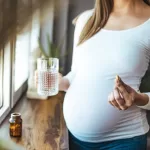
NEW DELHI — In the bustling corridors of India’s maternal health clinics, a silent emergency is unfolding. Despite decades of nutritional programs, more than 52% of pregnant women in India are entering their third trimester with anemia, a condition where the body lacks enough healthy red blood cells to carry adequate oxygen to tissues. This statistics, drawn from the National Family Health Survey (NFHS-5), highlights a persistent public health challenge that experts warn is contributing to nearly 30% of maternal deaths linked to hemorrhage and doubling the risk of preterm births.
A Persistent Shadow Over Motherhood
Anemia is often dismissed as simple “exhaustion,” but for a pregnant woman, it is a physiological tightrope. According to the World Health Organization (WHO), anemia in pregnancy is defined as a hemoglobin (Hb) level of less than $11.0$ g/dL. In India, the crisis is particularly acute in states like Bihar and Uttar Pradesh, where prevalence rates soar above 60%.
“When a mother is anemic, she has no reserve,” explains Dr. Ananya Sharma, a senior obstetrician not involved in the latest NFHS analysis. “If she experiences even moderate bleeding during childbirth—a common occurrence—her body cannot compensate. What should be a manageable delivery quickly turns into a life-threatening emergency.”
The implications extend to the next generation. Infants born to anemic mothers are 25% more likely to suffer from low birth weight and face developmental delays, effectively “programming” the child for a lifetime of health struggles before they have even taken their first breath.
The Biological Barrier: Why Diet Isn’t Always Enough
The causes of India’s anemia crisis are a complex web of diet, biology, and social habits. While iron deficiency is the primary culprit, the Indian diet presents unique challenges.
-
The Phytate Problem: Staple grains like wheat and millets contain phytates, naturally occurring compounds that bind to iron and prevent its absorption.
-
The Tea Culture: The widespread habit of drinking tea or coffee immediately after meals can reduce iron absorption by up to 60% due to the presence of tannins.
-
The Hepcidin Hurdle: New research highlights a biological “blocker” called hepcidin. Pregnancy can induce low-grade inflammation, raising levels of this hormone, which essentially “locks” the doors of iron absorption in the gut.
“We often see women who are taking their iron tablets faithfully but see no improvement in their blood levels,” says Dr. Rajesh Kumar, a public health researcher. “During pregnancy, the body’s ability to absorb oral iron can drop by as much as 70% due to these hormonal shifts.”
The Shift to Intravenous (IV) Solutions
For decades, the standard of care has been the “iron pill.” However, oral supplements are notorious for side effects, including severe nausea and constipation, leading to a 40% non-compliance rate among pregnant women.
Recent clinical shifts are moving toward Intravenous (IV) Iron Therapy for moderate to severe cases. A 2025 meta-analysis published in BMC Pregnancy and Childbirth confirmed that modern IV iron formulations, such as ferric carboxymaltose, can restore hemoglobin levels much faster and more reliably than oral supplements.
“IV iron is a game-changer for a woman diagnosed with severe anemia in her second or third trimester,” says Dr. Sharma. “We don’t have three months to wait for a pill to work. We need to build her blood stores before she goes into labor.”
The Indian government’s Anemia Mukt Bharat (Anemia-Free India) program has recognized this, expanding IV iron access to over 150,000 health facilities. These newer “single-dose” infusions allow a woman to receive a full course of iron in one hospital visit rather than multiple painful injections or months of pills.
Limitations and Safety
While IV iron is effective, it is not a “magic bullet.” Medical professionals emphasize that it must be administered in a clinical setting to monitor for rare allergic reactions. Furthermore, IV iron addresses the symptom, not the root cause. Without addressing parasitic infections (like malaria or hookworm) and improving baseline adolescent nutrition, the cycle of anemia will continue.
Critics of over-medicalization also point out that for mild anemia, dietary diversification remains the most sustainable path.
Practical Steps for Expectant Mothers
Health authorities recommend a multi-pronged approach to safeguarding pregnancy:
-
Early Screening: Get a full blood count (CBC) as soon as pregnancy is confirmed and repeat it in each trimester.
-
Vitamin C Pairing: Eat iron-rich foods (spinach, jaggery, lentils) with Vitamin C sources like lemon or amla to “unlock” iron absorption.
-
The “Two-Hour Rule”: Avoid tea, coffee, or calcium supplements for at least two hours before and after taking iron-rich meals or supplements.
-
Consultation: If oral iron causes severe stomach upset, speak to a doctor about IV iron options rather than simply stopping the medication.
The Path Forward
Tackling India’s “silent emergency” requires more than just distributing pills; it requires a shift in how the country views women’s nutrition from adolescence through motherhood. As the Anemia Mukt Bharat initiative scales up, the focus is shifting toward ensuring that the delivery room is a place of joy, not a site of preventable tragedy.
“A healthy mother is the foundation of a healthy nation,” concludes Dr. Kumar. “We have the tools to fix this; we now need the collective will to ensure every woman has access to them.”
Medical Disclaimer
This article is for informational purposes only and should not be considered medical advice. Always consult with qualified healthcare professionals before making any health-related decisions or changes to your treatment plan. The information presented here is based on current research and expert opinions, which may evolve as new evidence emerges.
References
https://www.daijiworld.com/news/newsDisplay?newsID=1302690