 0
0
 0
0
January 4, 2026
NEW DELHI — Despite rapid advancements in modern medicine and a burgeoning digital health infrastructure, India is grappling with a staggering “treatment gap” in mental health. Leading psychiatrists and public health experts warned this week that over 85% of Indians suffering from common mental disorders—including depression and anxiety—never seek or receive professional care.
Speaking on January 3 at the curtain-raiser event for the 77th Annual National Conference of the Indian Psychiatric Society (ANCIPS 2026) in Delhi, experts identified deep-seated social stigma, a chronic lack of public awareness, and systemic infrastructure deficits as the primary drivers of this crisis. The revelation comes at a critical juncture for India, as the nation attempts to balance its economic ambitions with the mounting socio-economic burden of untreated psychiatric conditions.
A Statistical Look at a Widening Gap
The scale of the issue is documented in the National Mental Health Survey (NMHS), which remains the gold standard for psychiatric data in the country. The survey indicates that India faces one of the widest treatment gaps globally. While the global average for untreated mental illness sits at approximately 70%, India’s figures are significantly more dire.
“Mental health disorders are highly treatable, yet the majority of patients in India continue to suffer in silence,” said Dr. Savita Malhotra, President of the Indian Psychiatric Society. “The fact that over 80% of people do not receive timely psychiatric care reflects deep-rooted stigma and the inadequate integration of mental health services into our primary healthcare system.”
For low-income countries, the gap can be as high as 90%. India, situated in a complex middle-ground, struggles with a vast population and a limited number of trained mental health professionals. Current estimates suggest there are fewer than 0.75 psychiatrists per 100,000 people in India, far below the recommended three per 100,000.
The Cost of Delay: Beyond the Individual
Medical experts at the conference emphasized that mental health is not merely a clinical concern but a developmental one. When psychiatric care is delayed, the trajectory of the illness often shifts from manageable to chronic.
“When care is delayed, the illness becomes more severe, leading to greater disability, family distress, and a significantly increased risk of self-harm,” warned Dr. Nimesh G. Desai, former Director of the Institute of Human Behaviour & Allied Sciences (IHBAS).
The ripple effects of untreated mental illness include:
-
Economic Impact: Loss of productivity and unemployment.
-
Social Impact: Family breakdowns and increased rates of substance use disorders.
-
Public Health Crisis: A rise in suicide rates. India currently accounts for a significant portion of global suicide deaths, a statistic that experts say could be drastically reduced through early intervention.
Breaking the Stigma: The Primary Barrier
While infrastructure is a hurdle, the psychological barrier of “Log Kya Kahenge” (What will people say?) remains the most formidable obstacle. Stigma often manifests in two ways: public stigma, involving discriminatory cues from society, and self-stigma, where the individual internalizes these negative beliefs, leading to lower self-esteem and a “why try” effect regarding treatment.
“We must address mental health with the same urgency and seriousness as physical health,” Dr. Desai added. “Strengthening community-based services and training primary care doctors to recognize early symptoms are essential steps.”
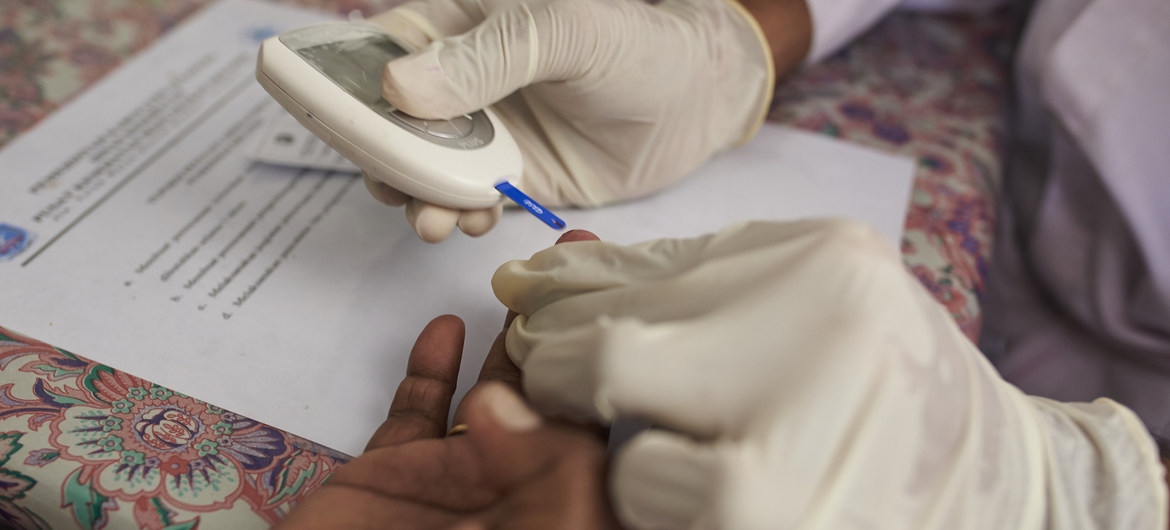
By integrating mental health screening into routine check-ups for physical ailments—like diabetes or hypertension—healthcare providers can normalize psychiatric care and catch disorders before they reach a crisis point.
Government Initiatives and the Road Ahead
The Indian government has launched several ambitious programs to tackle these issues. The Tele-MANAS national mental health helpline, launched in recent years, provides 24/7 access to counseling. Additionally, the expansion of the District Mental Health Programme (DMHP) aims to decentralize care.
However, the experts at ANCIPS 2026 stressed that these are only the first steps. To bridge a 85% gap, the following “scaling-up” measures were proposed:
-
Public Education Campaigns: Massive, culturally sensitive awareness drives to debunk myths about mental illness.
-
Primary Care Integration: Training “frontline” MBBS doctors and ASHA workers to provide basic psychiatric support.
-
Digital Health Expansion: Leveraging AI and tele-psychiatry to reach rural populations where specialists are non-existent.
Practical Implications for Readers
For the general public, the message from the medical community is clear: early identification saves lives. Common signs that warrant a consultation with a professional include:
-
Persistent sadness or irritability lasting more than two weeks.
-
Excessive fear, worry, or anxiety.
-
Significant changes in sleeping or eating habits.
-
Withdrawal from social activities once enjoyed.
-
A drop in performance at work or school.
If you or a loved one are experiencing these symptoms, seeking help from a certified counselor or psychiatrist is a sign of strength, not weakness.
References and Sources