 0
0
 0
0
LALITPUR, INDIA — In a move that has sent shockwaves through the medical education community, the administration at the Lalitpur-based Government Medical College has suspended 32 MBBS students following a high-profile investigation into allegations of severe ragging. The disciplinary action, announced this week, highlights a persistent and systemic challenge within medical institutions: the struggle to balance traditional hierarchies with a modern, safe, and psychologically sound learning environment.
The suspension comes after several junior students filed formal complaints detailing a series of incidents that allegedly occurred within the college hostel premises. According to university officials and local reports, the suspended students, primarily from the 2022 and 2023 batches, were found guilty of violating the college’s strict anti-ragging code of conduct. The incident has reignited a national conversation regarding the mental health of medical trainees and the efficacy of current regulatory safeguards.
The Investigation: Unmasking Institutional “Tradition”
The disciplinary proceedings began when first-year students approached the college’s Anti-Ragging Committee (ARC) with testimonies of physical and psychological harassment. While the specific details of the incidents are being kept confidential to protect the victims, sources within the institution suggest that the “initiation rituals” exceeded the bounds of harmless banter, crossing into what legal and medical experts define as trauma-inducing behavior.
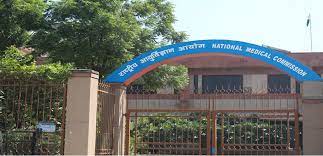
Under the guidelines set by the National Medical Commission (NMC), ragging is defined as any act—physical, verbal, or psychological—that causes or is likely to cause physical or psychological harm or raises apprehension or fear in a fresher or a junior student.
“We have a zero-tolerance policy toward any form of harassment,” stated a senior administrative official from the college, who requested anonymity due to the ongoing nature of the legal proceedings. “The suspension of 32 students is a difficult but necessary step to ensure that our campus remains a sanctuary for learning, not a site of intimidation.”
The Psychological Toll: Why “Harmless” Rituals Matter
While some may view these incidents as “rites of passage,” psychologists and medical educators warn that the health implications are profound. Ragging is increasingly recognized not just as a disciplinary issue, but as a public health concern affecting the future of the healthcare workforce.
Dr. Anjali Gupta, a clinical psychologist specializing in academic trauma (not affiliated with the Lalitpur institution), explains that the impact of ragging can be long-lasting. “The transition to medical school is already one of the most stressful periods in a young adult’s life. When you add the layer of systematic humiliation, you are looking at increased rates of Generalized Anxiety Disorder (GAD), depression, and even Post-Traumatic Stress Disorder (PTSD),” says Dr. Gupta.
According to a 2021 study published in the Journal of Medical Evidence, medical students who experience ragging are significantly more likely to report feelings of isolation and academic burnout. The study notes that these experiences can diminish empathy—a core competency for future physicians—leading to a cycle of “jadedness” that affects patient care years down the line.
National Regulation and the NMC Mandate
The Lalitpur incident is not an isolated case. Data from the University Grants Commission (UGC) and the NMC show that despite stringent laws, hundreds of ragging complaints are filed annually across India’s 700+ medical colleges.
The National Medical Commission (Prevention and Prohibition of Ragging in Medical Institutions) Regulations, 2021, provide a clear framework for punishment, ranging from suspension and expulsion to the withholding of scholarships. However, the Lalitpur case reveals a gap between regulation and implementation.
“The law exists, but the culture of silence is stronger,” says Dr. Ramesh Kumar, a member of a national doctors’ advocacy group. “Juniors are often afraid that reporting will lead to further ostracization by their seniors, who will one day be their colleagues and supervisors in hospitals. The Lalitpur administration should be commended for acting on the complaint, rather than burying it to protect the college’s reputation.”
The Ripple Effect on Public Health
The health of the medical community directly impacts the health of the public. A toxic educational environment creates a “hidden curriculum” where students learn that hierarchy and power dynamics are more important than collaboration and compassion.
“When we talk about the ‘physician shortage’ or ‘doctor burnout,’ we have to look at the roots,” says Sarah Jenkins, a public health analyst. “If we train our doctors in an environment of fear, we cannot expect them to provide compassionate, patient-centered care. Ragging undermines the very foundation of medical ethics: Primum non nocere (First, do no harm).”
A Call for Cultural Reform
In the wake of the suspensions, Lalitpur Medical College has announced plans to implement mandatory sensitization workshops for both students and faculty. The college is also looking into enhancing CCTV surveillance in hostel common areas and appointing dedicated student counselors.
However, experts argue that structural changes are only half the battle. “We need a shift in the medical hierarchy,” adds Dr. Gupta. “Mentorship should be based on guidance and support, not on the ‘I suffered, so you must suffer’ mentality. Until we address the generational cycle of trauma in medical education, these incidents will continue to occur.”
For the 32 suspended students, the path forward is uncertain. They face not only academic delays but also potential blacklisting from certain clinical rotations. For the victims, the administration hopes that this swift action will provide a sense of justice and allow them to return to their studies without fear.
The Road Ahead
As Lalitpur Medical College works to rebuild its campus culture, the incident serves as a stark reminder to medical institutions nationwide. The “White Coat” is a symbol of healing, and the journey to earning it should not be defined by the scars of harassment.
The National Anti-Ragging Helpline (1800-180-5522) remains available 24/7 for students across India, offering a confidential way to report incidents and seek support.
Medical Disclaimer: This article is for informational purposes only and should not be considered medical advice. Always consult with qualified healthcare professionals before making any health-related decisions or changes to your treatment plan. The information presented here is based on current research and expert opinions, which may evolve as new evidence emerges.
References and Sources
Primary News Source:
-
Medical Dialogues Bureau. (2024, April). “Lalitpur Medical College: 32 MBBS students suspended for Ragging, Report.” Medical Dialogues. [https://medicaldialogues.in/news/education/medical-colleges/lalitpur-medical-college-32-mbbs-students-suspended-for-ragging-report-161237]