 0
0
 0
0
CITY, State — As millions of Americans prepare their living rooms for Super Bowl LX, the traditional spread of chicken wings and cheese-laden nachos is facing an unexpected challenger. In a historic shift for sports marketing, major food brands and beverage giants are centering their 2026 “Big Game” campaigns on plant-forward nutrition—specifically focusing on high-protein salads, legumes, and vegetable-rich snacks. This pivot marks a significant moment where the multibillion-dollar engine of sports advertising aligns with a growing body of clinical evidence suggesting that “eating like an athlete” requires more fiber and fewer processed fats than previously popularized.
The Science of the “Plant-Forward” Shift
The move toward greener game-day plates isn’t just a marketing gimmick; it is rooted in a decade of evolving sports science. Recent meta-analyses published in journals like the Journal of the International Society of Sports Nutrition suggest that plant-heavy diets can significantly reduce oxidative stress and inflammation—two primary hurdles for recovery in high-impact sports.
“We are seeing a convergence of consumer demand and metabolic reality,” says Dr. Maya Singh, a cardiologist and director of sports nutrition research not affiliated with the recent brand campaigns. “For years, the ‘athlete’s diet’ was synonymous with excessive animal protein. In 2026, the data is clear: nutrient timing and the inclusion of phytonutrients found in leafy greens and legumes are critical for vascular health and sustained energy, whether you’re on the field or watching from the couch.”
Key Findings: Performance Beyond the Protein Myth
While protein remains a cornerstone of the athletic diet, the focus has shifted toward protein quality and fiber synergy.
-
Recovery Metrics: Clinical trials involving endurance and power athletes have shown that those who consume a diet rich in complex carbohydrates and plant proteins maintain better arterial flexibility compared to those on high-saturated-fat regimens.
-
The Fiber Factor: Fiber, once ignored in sports nutrition, is now recognized for its role in stabilizing blood glucose levels, preventing the “energy crashes” often associated with traditional, refined-carb game day snacks.
-
Industry Accountability: In response to consumer skepticism, several leading snack brands have opted for “Clean Label” certifications for their 2026 launches, including third-party audits of sodium and added sugar content.
Expert Commentary: Balancing the Hype
Despite the optimistic branding, health experts urge a “read-between-the-lines” approach. Dr. Luis Romero, a clinical dietitian who advises professional football players, notes that the term “plant-based” can sometimes be a “health halo” that masks high processing.
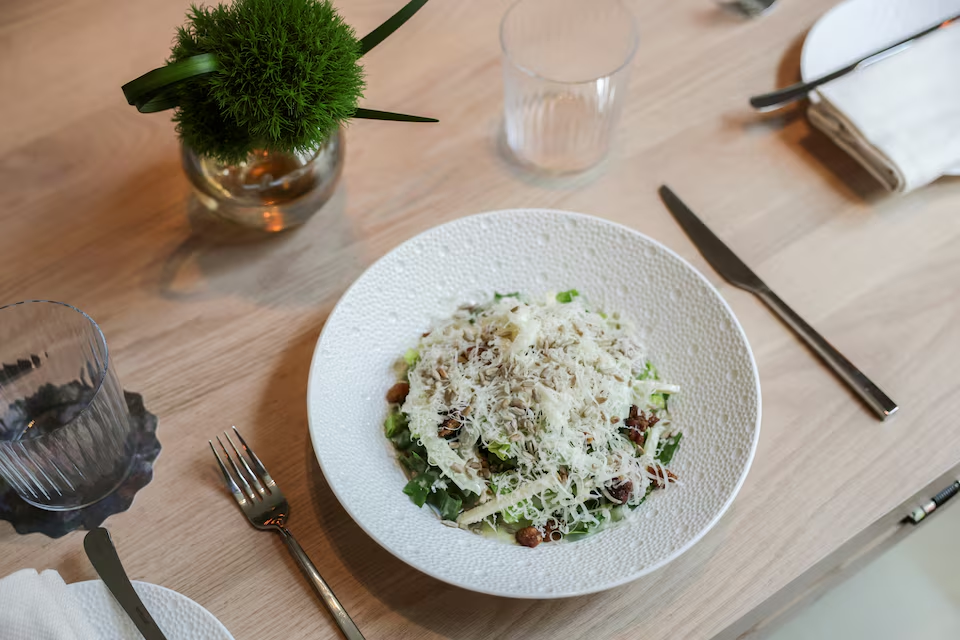
“A salad topped with fried tortilla strips and a high-sodium ranch dressing is still a high-sodium, high-calorie meal,” Dr. Romero explains. “The real victory for public health this Super Bowl isn’t just ‘eating a salad,’ but understanding the balance of macronutrients. We want to see fans opting for salads that feature chickpeas, walnuts, or quinoa—ingredients that offer a slow release of energy.”
Public Health Implications: The “Nudge” Effect
From a public health perspective, the visibility of healthy options during the most-watched television event of the year provides a powerful “nudge.” According to the National Heart, Lung, and Blood Institute (NHLBI), dietary habits are heavily influenced by social norms. When the Super Bowl—a cultural titan of indulgence—normalizes vegetable consumption, it lowers the barrier for the average consumer to make similar choices in their daily lives.
Public health nutritionist Dr. Amina Patel emphasizes the long-term potential: “If we can shift the Super Bowl narrative from ‘one day of gluttony’ to ‘one day of high-performance fuel,’ we can potentially impact metabolic health trends nationwide. The goal is to make the healthy choice the easy, and culturally relevant, choice.”
Limitations and Counterarguments
Critics of the “Salad-First” movement argue that these campaigns may distract from the broader issue of food accessibility. While premium plant-forward salads are trending in affluent markets, “food deserts” often lack access to the fresh produce required to replicate these healthy alternatives.
Furthermore, some researchers worry about “orthorexia”—an unhealthy obsession with healthy eating—noting that the pressure to eat “perfectly” during a social event can detract from the psychological benefits of community and celebration. The consensus among the medical community remains: moderation, not elimination, is the most sustainable path.
Practical Takeaways for Your Game Day
For those looking to integrate these findings into their own Super Bowl celebrations, experts recommend three simple swaps:
-
The 2:1 Rule: For every serving of traditional “junk” food, aim for two servings of fiber-rich vegetables or legumes.
-
Scrutinize the Dressing: Dressings are often the source of hidden sugars and trans fats. Opt for olive-oil-based vinaigrettes.
-
Protein Diversity: If serving meat, supplement it with plant proteins like black bean dip or hummus to increase fiber intake and satiety.
Medical Disclaimer: This article is for informational purposes only and should not be considered medical advice. Always consult with qualified healthcare professionals before making any health-related decisions or changes to your treatment plan. The information presented here is based on current research and expert opinions, which may evolve as new evidence emerges.
References
https://www.reuters.com/business/healthcare-pharmaceuticals/many-this-years-super-bowl-features-salad-food-companies-are-racing-react-2026-02-08/