 0
0
 0
0
NEW DELHI — In fitness centers from suburban New Delhi to downtown New York, a silent revolution is unfolding. The rows of gleaming, high-tech weight machines that once defined the modern gym are increasingly gathering dust. In their place, open turf areas are filled with people performing “primal” movements: squatting with kettlebells, lunging with sandbags, and practicing balance on unstable surfaces. This shift toward functional fitness—a training philosophy that prioritizes movements mimicking daily life over isolated muscle aesthetics—is fundamentally changing how public health experts and clinicians approach physical longevity.
As the global population ages and sedentary lifestyles contribute to rising rates of musculoskeletal disorders, functional fitness has emerged not just as a trend, but as a clinical intervention. By training the body as a single unit rather than a collection of parts, proponents argue we are better preparing ourselves for the physical demands of the 21st century.
Understanding the “Functional” Shift
Traditional gym machines, such as the leg extension or the seated chest press, operate on a principle of isolation. They stabilize the body for the user, allowing them to target a specific muscle group. While effective for bodybuilding, these movements rarely occur in nature.
“Functional fitness trains the body to perform everyday movements more efficiently and safely,” explains Dr. Rakesh Rajput, Director and Head of Orthopaedics at CK Birla Hospitals, CMRI. “Unlike machine-based workouts that isolate muscles, functional training uses compound, multi-joint movements like squatting, pushing, pulling, twisting, and lifting.”
The goal is to improve what biomechanists call the “kinetic chain”—the notion that our ankles, knees, hips, and spine must work in concert to perform a task, such as lifting a heavy grocery bag or reaching for a high shelf.
The Science of “Real-World” Strength
A 2023 study published in the Journal of Strength and Conditioning Research highlighted that functional training leads to significant improvements in balance and mobility compared to resistance training on fixed machines. This is largely due to neuromuscular adaptation.
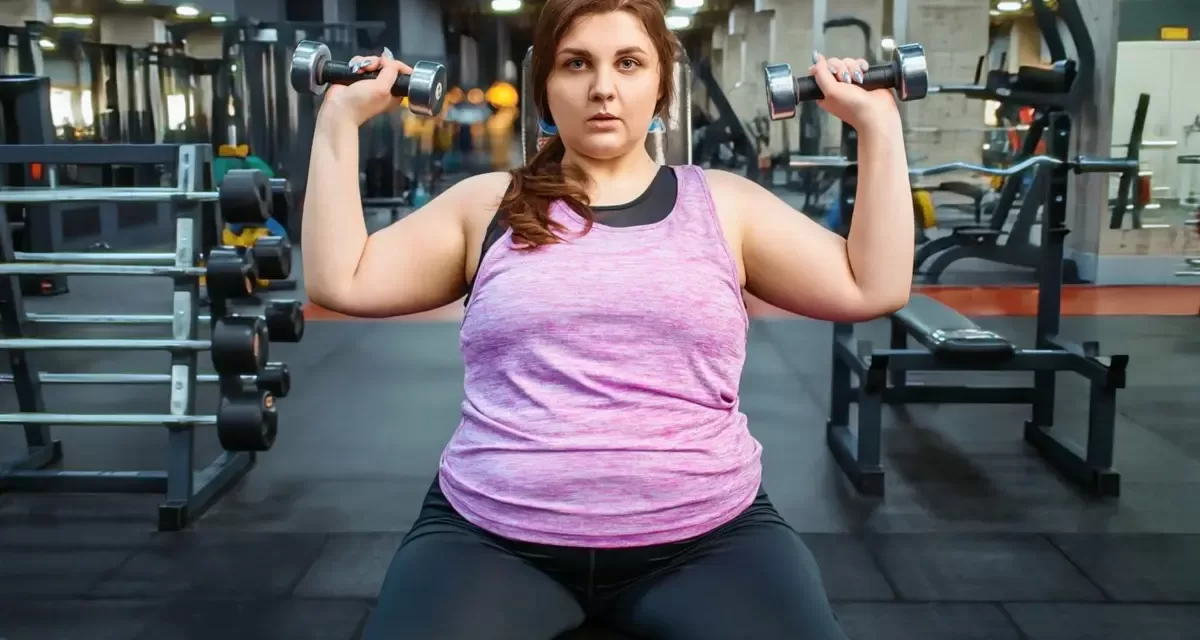
When you perform a standing overhead press with a dumbbell rather than a seated machine press, your brain must recruit “stabilizer muscles” in your core and hips to keep you upright. This increased neural demand doesn’t just build muscle; it “teaches” the nervous system how to coordinate complex movements.
Beyond Aesthetics: Health and Longevity
While many gym-goers initially seek weight loss or “toned” muscles, the medical community is more interested in the preventative benefits of functional movement.
1. Injury Prevention
By strengthening the stabilizers around major joints, functional fitness acts as a form of “pre-habilitation.” Dr. Rajput notes that even individuals with existing back or knee issues can benefit. “Strengthening muscles around joints improves support, but movements must be controlled and low-impact. Core engagement, posture, and pace are key,” he says.
2. Metabolic Efficiency
Because functional exercises involve multiple muscle groups simultaneously, the caloric “burn” is often higher than during isolation exercises. “Functional workouts involve more muscles at once, which increases overall effort and energy use,” Dr. Rajput explains. “Muscle gain may be less visible initially than with bodybuilding, but it is more usable.”
3. Aging Gracefully
For older adults, functional fitness is a primary defense against sarcopenia (age-related muscle loss) and falls. Training the “sit-to-stand” motion (a squat) or practicing “unilateral” movements (standing on one leg) translates directly to maintaining independence in later life.
The Limitations: Is the Machine Dead?
Despite the surge in popularity, medical experts caution against abandoning machines entirely. For certain populations, isolation training remains the gold standard.
-
Rehabilitation: For patients recovering from surgery, machines provide a controlled environment where a specific muscle can be strengthened without taxing a healing joint.
-
Hypertrophy: For those whose primary goal is maximum muscle size (bodybuilding), machines allow for “training to failure” with a lower risk of dropping a weight or losing balance.
-
Safety for Beginners: “Doing too much too early and focusing on speed instead of control are common errors,” warns Dr. Rajput. For a complete novice with zero baseline strength, a machine can provide the necessary “training wheels” before they move to complex free-weight movements.
Transitioning Safely: Expert Recommendations
For those looking to transition from a machine-heavy routine to a functional approach, experts recommend a “slow-build” strategy.
“Technique, progression, and proper guidance are more important than heavy loads,” says Dr. Rajput. He suggests that beginners focus on the “Big Five” functional movements:
-
Squatting (Sitting and standing)
-
Hinging (Bending at the waist to pick something up)
-
Pushing (Moving an object away from the body)
-
Pulling (Drawing an object toward the body)
-
Carrying (Moving while holding weight)
The Public Health Perspective
As the World Health Organization (WHO) continues to emphasize the need for at least 150–300 minutes of moderate-intensity aerobic activity per week, the integration of functional strength training is becoming a vital secondary pillar.
The shift away from machines represents a broader cultural move toward mindful movement. It acknowledges that the human body is not a collection of independent levers, but a sophisticated, integrated system designed for variety and adaptability. Whether it’s playing with grandchildren or hiking a trail, the strength built on the functional “turf” is the strength that sustains life outside the gym walls.
References
- https://www.daijiworld.com/news/newsDisplay?newsID=1304207
Medical Disclaimer: This article is for informational purposes only and should not be considered medical advice. Always consult with qualified healthcare professionals before making any health-related decisions or changes to your treatment plan. The information presented here is based on current research and expert opinions, which may evolve as new evidence emerges.