 0
0
 0
0
In the bustling corridors of India’s healthcare sector, a quiet revolution is clashing with an age-old medical mantra. For decades, the prescription for obesity was simple, if difficult: “Eat less, move more.” But as a new wave of potent weight-loss injections floods the Indian market, triggering price wars and public frenzy, doctors and patients are facing a complex dilemma. Is the solution to India’s bulging waistline found in a syringe, or does it still reside in the gym?
This tension took center stage at the recent ETHealthworld NutriWell conclave, where leading endocrinologists and wellness experts debated the role of Glucagon-Like Peptide-1 (GLP-1) receptor agonists—the class of drugs that includes Semaglutide (Ozempic, Wegovy) and Tirzepatide (Mounjaro). With India often dubbed the “diabetes capital of the world” and obesity rates climbing, the stakes for public health could not be higher.
The Scale of the Problem
India’s weight problem is no longer just an urban anecdote; it is a statistical reality. Data from the National Family Health Survey-5 (NFHS-5) indicates that nearly 24% of Indian women and 23% of men are now overweight or obese, a significant jump from previous surveys.
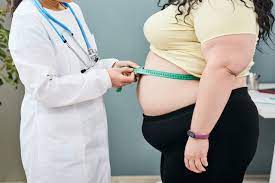
More concerning is the specific nature of this weight gain. Dr. J.P.S. Sawhney, Chairman of Cardiology at Sir Ganga Ram Hospital, points to a uniquely Indian risk factor: “central obesity.” Unlike generalized obesity, which is distributed across the body, central or abdominal obesity—often called a “potbelly”—is metabolically dangerous. It packs fat around vital organs, driving up the risk of heart disease and diabetes even in people who might not look “fat” by Western standards.
“Obesity is the mother of all non-communicable diseases,” says Dr. Rajesh Rajput, Director of Endocrinology at Medanta. He notes that for years, the focus was solely on treating the consequences—hypertension, dyslipidemia, diabetes—while the root cause, obesity, was largely ignored or attributed to a lack of willpower.
The Pharmacological Shift
The narrative began to shift with the arrival of GLP-1 receptor agonists. Originally designed for Type 2 diabetes, these drugs mimic a hormone that signals fullness to the brain and slows digestion. The results in clinical trials have been dramatic, with some patients losing 15-20% of their body weight.
In late 2025, the availability of these drugs in India expanded significantly. Pharmaceutical giants like Novo Nordisk and Eli Lilly have introduced brands like Wegovy and Mounjaro (and its Cipla-partnered twin, Yurpeak), sparking a price war that has brought the monthly cost down from over ₹20,000 to more accessible—though still premium—levels for some formulations.
For patients who have struggled for years with “dietary modifications without success,” Dr. Rajput describes these drugs as a “last lifeline.” He predicts that as generic versions eventually enter the market, adoption will surge, potentially mirroring the ubiquity of statins or blood pressure medication.
The Wellness Paradox
However, the rapid medicalization of weight loss has unsettled the wellness community. Dr. Manjari Chandra, a Nutritional Medicine Practitioner, warns against the “outsourcing of behavioral change” to pharmacology.
“The indiscriminate usage is driven by the principal approach of completely outsourcing a behavioral change to a drug,” Dr. Chandra argued at the conclave. Her concern is one of sustainability and dependence. If a patient relies solely on a weekly injection to curb their appetite without learning how to eat nutritiously, what happens when the drug is stopped?
Clinical data supports this caution. Studies have shown that stopping GLP-1 drugs often leads to “weight rebound,” where patients regain a significant portion of the lost weight. Furthermore, Dr. Sawhney highlights a critical side effect: sarcopenia, or muscle loss. Rapid weight loss often burns muscle alongside fat. Without adequate protein intake and resistance training, patients might end up “skinny fat”—lighter on the scale, but metabolically weaker.
Beyond the Conclave: A Public Health Perspective
Experts outside the conclave echo these concerns, emphasizing that obesity in India is a systemic issue, not just an individual biological failure.
Dr. Shalini Singh, Director of the ICMR-National Institute for Cancer Prevention and Research (NICPR), recently highlighted a disturbing trend: “household clustering.” A study analyzing NFHS-5 data found that in nearly one in five Indian households, all adult members are overweight or obese. “This tells us the family unit is the epicenter of this health challenge,” Dr. Singh noted in a separate statement. This suggests that shared environments and dietary habits play a role that a targeted drug injection alone cannot fix.
Moreover, the regulatory landscape remains a minefield. Dr. Tina Rawal, a Senior Research Scientist at the Public Health Foundation of India (PHFI), stressed the need for strict guidelines to prevent misuse. In a country with lax prescription enforcement, there is a real risk of these powerful metabolic drugs being used as cosmetic “quick fixes” by people who do not meet the clinical criteria for obesity, potentially triggering shortages for diabetic patients who genuinely need them.
What This Means for You
For the health-conscious consumer, the takeaway is nuanced. Weight-loss drugs are neither a magic bullet nor a menace; they are a tool.
-
Who are they for? Medical guidelines generally recommend pharmacotherapy only for individuals with a Body Mass Index (BMI) ≥ 30, or ≥ 27 with weight-related comorbidities like diabetes or hypertension.
-
The “Must-Haves”: Treatment should never be “drug-only.” It must be paired with high-protein diets and strength training to preserve muscle mass.
-
The Long Game: Obesity is a chronic, relapsing disease. As Dr. Rajput noted, biology (hormones and genetics) plays a huge role, meaning some patients may need long-term medical support, just as they would for asthma or hypertension.
As India navigates this fat-loss frontier, the consensus is clear: The pill may help you start the journey, but it is the will—to change lifestyle, build muscle, and alter family habits—that will determine the destination.
Medical Disclaimer: This article is for informational purposes only and should not be considered medical advice. Always consult with qualified healthcare professionals before making any health-related decisions or changes to your treatment plan. The information presented here is based on current research and expert opinions, which may evolve as new evidence emerges.
References:
-
Economic Times Healthworld. (2025, December 16). Navigating the obesity crisis in India: The role of weight-loss drugs and lifestyle changes.