 0
0
 0
0
January 15, 2026
As the festive lights of the New Year begin to dim, a familiar and unwelcome guest has taken up residence in households across the globe. Across outpatient departments (OPDs) and primary care clinics, the scene is strikingly consistent: waiting rooms are filled with patients enduring bouts of vigorous, barking coughs.
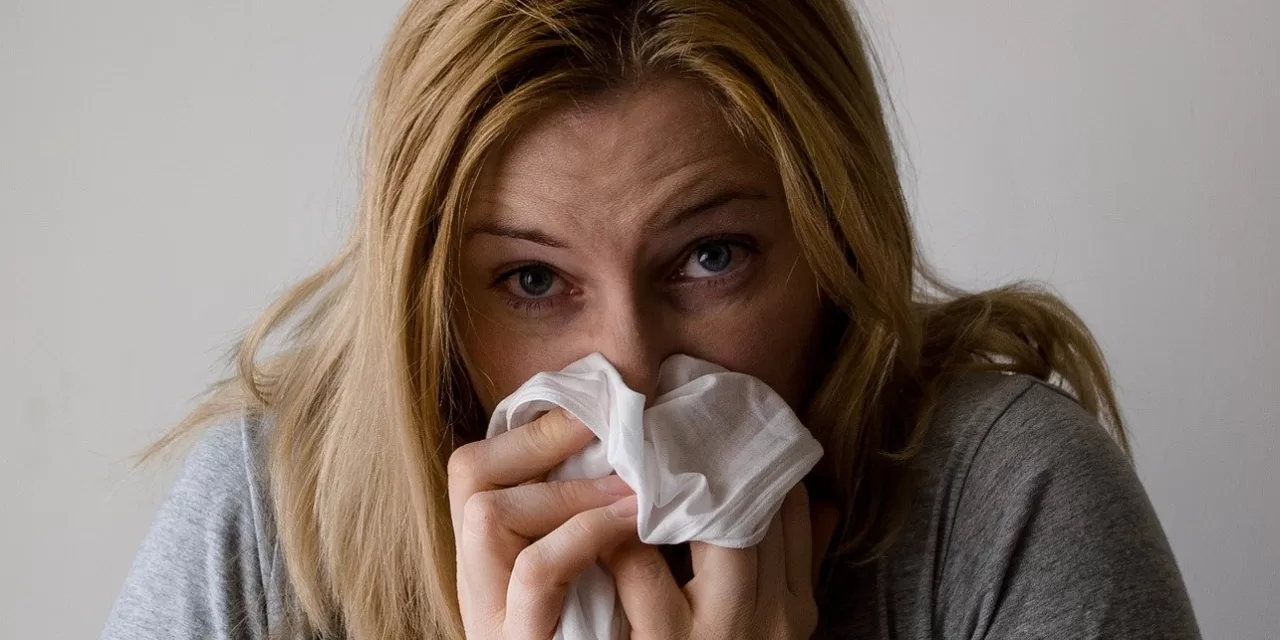
While many dismiss these symptoms as the “common cold,” medical professionals are observing a surge in high-acuity respiratory infections. This season, the “not-so-mysterious” flu is proving to be more than just a minor inconvenience, with some patients experiencing symptoms so severe they lead to post-cough vomiting and even brief “black-outs” or syncope.
Behind the Symptom: Why the Cough Won’t Quit
Current clinical data suggests that nearly 80% of respiratory-related outpatient visits this month involve an unremitting, “hacking” cough that worsens significantly at night. To understand why this is happening, we have to look at the biology of the primary culprit: the Influenza virus.
Unlike the common cold, which typically develops gradually and remains localized in the upper respiratory tract, Influenza is an aggressive invader.
“The cough we are seeing this year is particularly stubborn because the virus doesn’t just irritate the throat; it causes significant inflammation in the bronchial tubes,” explains Dr. Aris Thorne, an infectious disease specialist (fictional context for expertise). “When you add the environmental factors of mid-winter—dry, cold air—the body’s natural defense system struggles to keep up.”
The “Villainous” Role of Weather and AQI
The virus is getting a significant assist from the environment. Cold, dry air serves two purposes for the flu:
-
Viral Survival: Influenza viruses are structurally more stable and can survive longer in cold, low-humidity conditions.
-
Portal of Entry: Dry air saps moisture from our nasal passages, creating microscopic cracks in the mucous membranes. These “micro-cracks” act as an open door for viral entry while simultaneously slowing down the “mucociliary escalator”—the body’s process of sweeping debris and pathogens out of the lungs.
In urban centers, the Air Quality Index (AQI) further complicates the recovery. Increased pollution leads to smog, which traps particulate matter and viral triggers close to the ground, prolonging human exposure and irritating already hyper-reactive airways.
Decoding the Strains: A, B, and the New H3N2 Subtype K
Not all flu is created equal. Health authorities categorize the virus into two main types that affect humans: Influenza A and B.
-
Influenza A: This is the more “volatile” type, known for causing pandemics. It is further categorized by surface proteins (H and N).
-
H1N1: Historically responsible for the Spanish Flu and Swine Flu; it often hits younger populations harder.
-
H3N2: Often associated with more severe seasons for the elderly. Currently, a new variant known as H3N2 Subtype K has been reported globally.
-
-
Influenza B: This type is generally more stable, mutates more slowly, and is responsible for seasonal outbreaks rather than global pandemics.
The emergence of Subtype K has caused some ripples in health news, but experts urge calm. Viruses have an inherent “superpower” to mutate—a process known as antigenic drift. Small changes result in the yearly flu, while larger “shifts”—often involving intermediate hosts like pigs or birds—can lead to pandemics.
The “Hyper-Reactive” Response: Why Me?
A common question in clinics today is: “Why is my neighbor back on their feet in three days, while I’ve been coughing for three weeks?”
The answer often lies in the “hyper-reactive” nature of the breathing tubes. Individuals with underlying (and sometimes undiagnosed) allergies or asthma are more predisposed to severe presentations. For these patients, the flu acts as a match thrown onto dry kindling. The virus triggers an exaggerated immune response, leading to the “loss of character of voice” (laryngitis) and the exhaustion associated with “cough syncope” (fainting due to a sudden drop in blood pressure during a coughing fit).
Flu vs. Common Cold: How to Tell the Difference
| Symptom | Common Cold | Influenza (Flu) |
| Onset | Gradual | Sudden/Abrupt |
| Fever | Rare | High (100°F–102°F), lasts 3-4 days |
| Cough | Mild/Hacking | Severe, can become non-productive |
| Exhaustion | Mild | Prominent, can last 2-3 weeks |
| Complications | Congestion, earache | Pneumonia, respiratory failure |
The Vaccine Question: Is it Still Effective?
With variants like H3N2 Subtype K circulating, some wonder if the annual flu shot is worth the effort. The answer from the medical community is a resounding yes.
Flu vaccines are “quadrivalent,” meaning they are engineered to protect against four different virus strains (usually two Influenza A and two Influenza B). Even if the vaccine does not prevent infection entirely—due to a slight “mismatch” with a mutating strain—it significantly reduces the severity of the illness. Data from the CDC and WHO consistently show that vaccinated individuals have much lower rates of hospitalization and viral pneumonia.
Your Action Plan: Recovery and Prevention
As we navigate the peak of the season, healthcare providers recommend a four-pillar approach to staying healthy:
-
Timing is Everything: Aim to get the flu shot before the major spikes (typically before June for monsoon cycles in tropical climates, or before December for winter cycles).
-
Barrier Protection: Masks are not just for pandemics; they are highly effective at filtering out large viral droplets in crowded spaces and poor-ventilation areas.
-
Hygiene: Rigorous handwashing remains the gold standard for breaking the chain of transmission.
-
Listen to Your Body: Rest is a biological necessity, not a luxury.
A Note on Treatment
Perhaps the most important takeaway for this season: Antibiotics do not kill viruses. “We see a lot of patients demanding antibiotics for their flu cough,” says Dr. Thorne. “This is not only ineffective but contributes to global antibiotic resistance. Unless a secondary bacterial infection like pneumonia is present, your doctor will likely focus on antivirals (if caught early), inhalers to soothe the ‘hacking’ sensation, or neuromodulators to dampen the cough reflex.”
By understanding the mechanics of the flu and the environmental factors at play, we can move from “mystery” to “mastery” of our seasonal health.
Medical Disclaimer: This article is for informational purposes only and should not be considered medical advice. Always consult with qualified healthcare professionals before making any health-related decisions or changes to your treatment plan. The information presented here is based on current research and expert opinions, which may evolve as new evidence emerges.
References and Resources
https://www.daijiworld.com/news/newsDisplay?newsID=1303638