 0
0
 0
0
Despite remarkable progress in the management and prevention of HIV over the past three decades, the global scientific community continues to invest millions in the search for a cure. This ongoing commitment persists even as current antiretroviral therapies (ART) and pre-exposure prophylaxis (PrEP) enable people living with HIV to lead near-normal lives and significantly reduce transmission rates.
Current Treatments: Effective but Not Universal
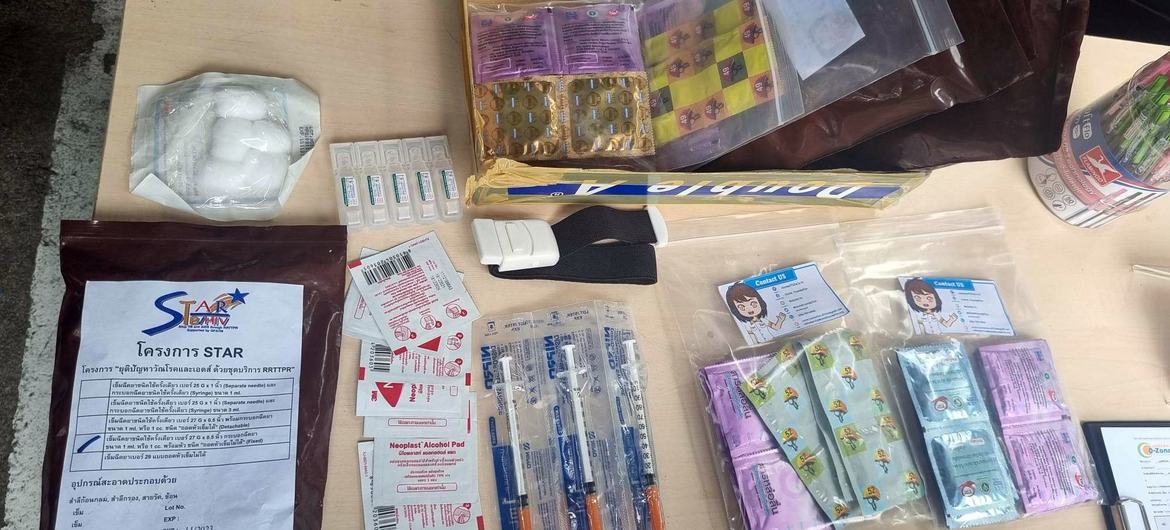
Modern HIV medications, when taken consistently, can suppress the virus to undetectable levels, allowing individuals to live almost as long as those without HIV. PrEP, available as daily pills or six-monthly injections, offers powerful protection for those at higher risk of infection. However, access to these drugs is not guaranteed for everyone. The availability of ART and PrEP depends on robust healthcare infrastructure, trained professionals, and reliable supply chains—resources that are often lacking in low-income countries.
Recent policy changes, such as the dissolution of the USAID foreign aid program in the United States, have further threatened the delivery of HIV drugs to vulnerable populations. High drug costs and fragile healthcare systems mean that interruptions in treatment can lead to increased HIV transmission and loss of life, underscoring the need for a more permanent solution.
Why a Cure Remains Elusive
While there have been at least seven documented cases of long-term HIV remission—often described as “cures”—these have only occurred in patients who underwent risky and expensive bone marrow transplants to treat life-threatening cancers. The procedure requires a rare genetic match and is not scalable for the millions living with HIV worldwide.
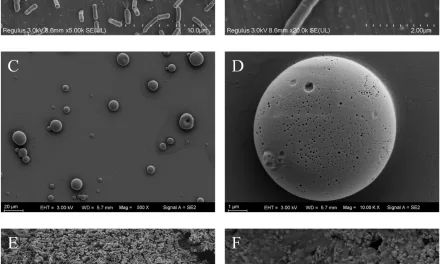
Researchers are exploring innovative approaches, such as the “shock and kill” strategy, which aims to force latent HIV out of hiding so it can be targeted by the immune system or drugs. A recent development from Melbourne uses lipid nanoparticles to deliver mRNA to infected cells, prompting them to reveal hidden HIV. While promising, this technique remains in early laboratory stages and will require years of further research and clinical trials before it can be considered a viable cure.
The Road Ahead
A truly effective HIV cure must be affordable, scalable, and suitable for use in low-resource settings. Achieving this will require solving complex scientific challenges and addressing significant logistical hurdles. In the meantime, ensuring broad access to existing prevention and treatment tools remains critical to controlling the epidemic.
“A cure for HIV that is affordable and scalable would have a profound impact on human health globally, particularly for people living with HIV. To get there is a long and arduous path that involves solving a range of scientific puzzles, followed by addressing implementation challenges.”
Disclaimer:
This article is for informational purposes only and does not constitute medical advice. The research and developments described are ongoing, and no definitive cure for HIV currently exists. Individuals living with or at risk of HIV should consult healthcare professionals for guidance on prevention, testing, and treatment options.