 0
0
 0
0
As India navigates a rapid epidemiological shift, the nation’s healthcare infrastructure is facing a quiet but relentless adversary: Non-Communicable Diseases (NCDs). Once considered the “diseases of affluence,” conditions such as diabetes, hypertension, and cardiovascular disease now account for 66% of all deaths in India, according to the World Health Organization (WHO).
The traditional response—massive, centralized multi-specialty hospitals located in urban centers—is increasingly proving inadequate for the long-term, daily management these conditions require. Now, a growing chorus of medical experts and public health advocates is proposing a localized solution: the “micro-hospital.”
On Saturday, leading healthcare experts highlighted a shift toward community-centric micro-hospitals as a vital strategy to replace fragmented care with a “continuum of care” model. These smaller, nimble facilities may be the missing link in a system currently struggling to bridge the gap between overextended primary health centers and inaccessible tertiary hospitals.
A New Architecture for Healing
Micro-hospitals are typically defined as small-scale, fully licensed inpatient facilities, often housing between 8 and 15 beds. Unlike a standard clinic, they offer 24/7 emergency care, pharmacy services, and diagnostic labs. Unlike a massive general hospital, they are embedded directly into residential neighborhoods.
“The current healthcare architecture in India is top-heavy,” says Dr. Ananya Rajan, a public health consultant not involved in the recent briefing. “Patients with chronic conditions like Type 2 diabetes or stage 2 hypertension don’t need a 500-bed trauma center every month; they need consistent, high-quality monitoring close to home. Micro-hospitals provide the ‘last mile’ connectivity that prevents a chronic condition from turning into an acute emergency.”
By decentralizing care, experts argue that India can better tackle the “fragmentation” that plagues the current system. In the status quo, a patient might see a GP in one neighborhood, get blood work in another, and visit a specialist miles away. This friction often leads to “treatment fatigue,” where patients skip follow-ups, leading to the very complications that overwhelm ICU wards later.
The NCD Burden: A Statistical Reality Check
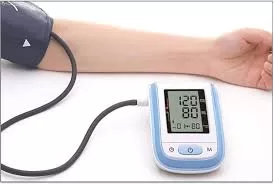
The urgency for this model is underscored by sobering data. According to the Indian Council of Medical Research (ICMR)-INDIAB study, there are an estimated 101 million people living with diabetes in India, with another 136 million in the pre-diabetic stage. Furthermore, one in four adults in India suffers from hypertension, but only about 10% have their blood pressure under control.
“NCDs are not ‘one-and-done’ medical events; they are lifelong journeys,” explains Dr. Vikram Sethi, a cardiologist specializing in preventive medicine. “Micro-hospitals act as a ‘health home.’ When a facility is five minutes away rather than fifty, compliance rates for screenings and medication adjustments skyrocket.”
The “Continuum of Care” Advantage
The primary strength of the micro-hospital model lies in its ability to offer a “continuum of care.” Experts at the recent summit noted that these facilities allow for:
-
Early Intervention: Detecting rising glucose or blood pressure levels before they cause organ damage.
-
Integrated Diagnostics: Having X-rays, ultrasounds, and pathology under one roof in a community setting reduces the time-to-treatment.
-
Post-Operative Recovery: Acting as a step-down unit for patients discharged from major surgeries who still require professional monitoring but not the high cost of a tertiary bed.
From a public health perspective, this model also alleviates the “crowding effect.” When neighborhood micro-hospitals handle routine NCD management, major government and private hospitals are freed to focus on complex surgeries and specialized trauma, improving the efficiency of the entire ecosystem.
Challenges and Counterarguments
While the micro-hospital model offers a promising blueprint, it is not without its hurdles. Skeptics point to the high cost of real estate in urban centers and the difficulty of staffing small units with high-quality specialists.
“There is a risk that micro-hospitals could become glorified clinics if they aren’t held to rigorous Tier-1 clinical standards,” warns Dr. Rajan. “For this to work, there must be a seamless digital integration. A patient’s data at a micro-hospital must be instantly accessible if they are ever transferred to a larger surgical center.”
There are also concerns regarding affordability. For the model to truly fight India’s NCD crisis, it must be inclusive. Public-private partnerships (PPPs) will be essential to ensure that these facilities serve not just the urban middle class, but also lower-income neighborhoods where the NCD burden is rising most sharply due to changing diets and sedentary lifestyles.
What This Means for the Consumer
For the average Indian family, the rise of community-centric hospitals could mean a fundamental change in how they interact with the medical system. Instead of the “crisis management” approach—waiting for a symptom to become unbearable before traveling to a major hospital—the micro-hospital encourages “proactive management.”
Health-conscious consumers should look for facilities that offer:
-
Integrated electronic health records.
-
Preventive wellness packages tailored to NCD screening.
-
Transparent pricing for diagnostic services.
As India continues to grapple with the dual burden of infectious diseases and a rising tide of NCDs, the micro-hospital represents a shift toward a more human-centric, accessible, and sustainable future.
Medical Disclaimer: This article is for informational purposes only and should not be considered medical advice. Always consult with qualified healthcare professionals before making any health-related decisions or changes to your treatment plan. The information presented here is based on current research and expert opinions, which may evolve as new evidence emerges.
References and Sources
-
Tripura Times Report (Saturday Briefing): “Community-centric micro-hospitals can help fight India’s NCD crises,” featuring insights from a panel of healthcare infrastructure experts.