 0
0
 0
0
Published: March 19, 2026
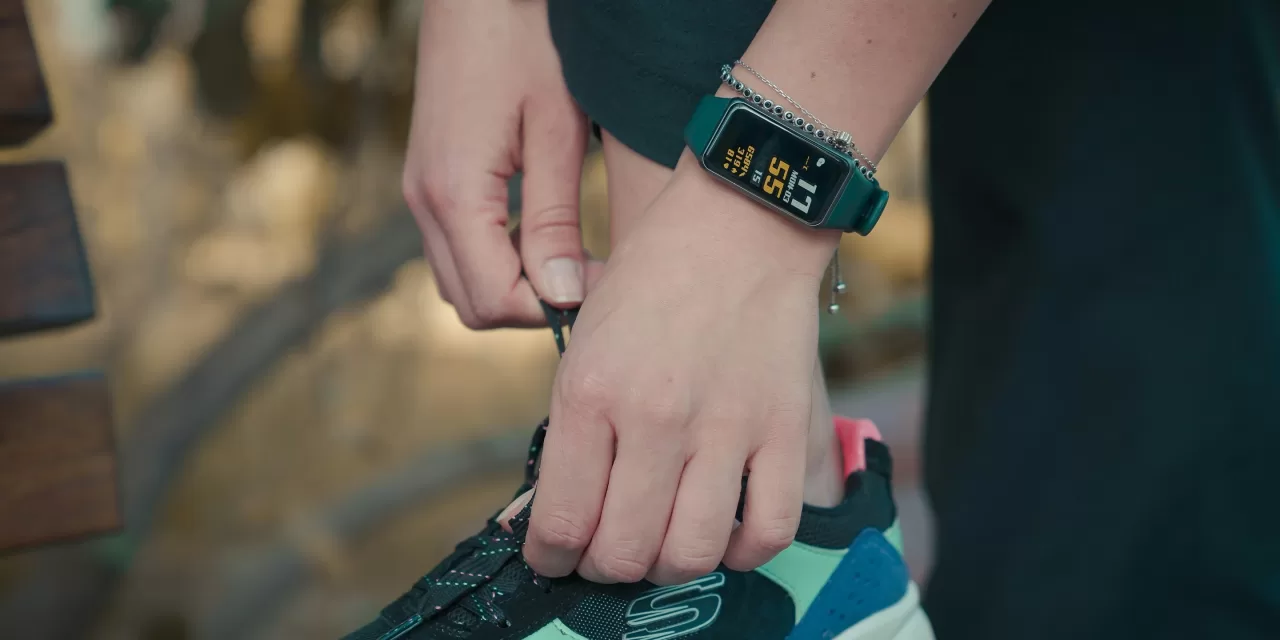
For decades, the standard medical approach to detecting metabolic disease has been a “snapshot”—a single vial of blood drawn after an overnight fast, once a year, during a physical. But a groundbreaking study published this week suggests that the watch on your wrist might be providing a much more detailed “movie” of your health, one capable of catching the silent slide toward type 2 diabetes long before traditional tests sound the alarm.
In research published March 15, 2026, in the journal Nature, a team from Google Research demonstrated a new framework that uses common smartwatch data to predict insulin resistance (IR). By combining wearable metrics like heart rate and step counts with routine blood biomarkers, researchers have created a scalable way to identify individuals at high risk for metabolic failure—potentially offering a window for intervention that could save millions from chronic illness.
The Silent Prelude: Understanding Insulin Resistance
Insulin resistance is often described as the “silent” precursor to type 2 diabetes. It occurs when cells in the muscles, fat, and liver begin to ignore the signals from insulin, the hormone responsible for ushering glucose (sugar) from the bloodstream into cells for energy. To compensate, the pancreas pumps out even more insulin.
For years, a person’s blood sugar may appear “normal” on a standard test because the body is working overtime to keep it stable. However, this internal strain heightens the risk for heart disease, hypertension, and eventually, the total exhaustion of insulin-producing cells.
“The tragedy of insulin resistance is that it often evades detection until it is well advanced,” says Dr. Nicolas Musi, an endocrinologist at Cedars-Sinai who was not involved in the Google study. “Standard tests like fasting glucose often miss the early dysfunction in people who have normal sugar levels but dangerously elevated insulin needs.”
Turning Wearables into Diagnostic Tools
The Google Research study, titled Wearables for Metabolic Health, analyzed data from 1,165 participants in the United States using Google Pixel or Fitbit devices. Researchers developed deep neural network models—a type of artificial intelligence—to integrate signals that watches track every second:
-
Resting Heart Rate (RHR)
-
Heart Rate Variability (HRV) (a measure of the nervous system’s stress and recovery)
-
Daily Activity and Step Counts
-
Sleep Patterns
When these wearable “signals” were combined with basic blood tests (like lipids and glucose), the model achieved an impressive 80% accuracy (auROC) in classifying insulin resistance. For those at the highest risk—individuals with obesity or sedentary lifestyles—the model’s performance soared, reaching 93% sensitivity and 95% specificity.
This means the AI was nearly perfect at identifying who was insulin resistant in the groups where early detection matters most.
From Snapshots to “Movies”
Christopher M. Hartshorn, a researcher from the National Institutes of Health (NIH) unaffiliated with the study, noted in a Nature “News and Views” commentary that this shift represents a paradigm move in medicine.
“Rather than a snapshot, this study offers something closer to a ‘movie’ of metabolic health,” Hartshorn wrote. He explained that by capturing daily fluctuations in heart rate and activity that are invisible to episodic clinical tests, wearables provide a continuous narrative of how a body is responding to its environment.
The study also introduced an “IR agent”—a large language model designed to interpret these complex data points and deliver personalized metabolic insights. Instead of just seeing a “step count,” a user might receive a recommendation explaining how their recent activity levels are influencing their metabolic recovery.
Global Stakes and Public Health
The implications for global health are staggering. Currently, 537 million adults live with diabetes worldwide, a number projected to climb as urban lifestyles become the norm. In India alone, approximately 90 million adults are affected, with prevalence hitting 10.5%.
Because the gold-standard test for insulin resistance—the hyperinsulinemic-euglycemic clamp—is invasive, expensive, and impractical for mass screening, many go undiagnosed. Using consumer devices democratizes screening. It moves the “lab” from the hospital to the wrist, allowing for a non-invasive triage tool that can help doctors prioritize at-risk patients for deeper evaluation.
Limitations and the “Proxy” Problem
Despite the excitement, experts urge a balanced perspective. The study used HOMA-IR (Homeostatic Model Assessment for Insulin Resistance) as its benchmark. While widely used in research, HOMA-IR is a proxy measurement, not a definitive diagnosis. It assumes the pancreas is functioning well enough to produce insulin, which limits its usefulness in patients with advanced diabetes.
Furthermore, the study’s participants were primarily from U.S. cohorts with a median BMI of 28. Experts caution that these models may not generalize perfectly across all ethnicities. For instance, South Asian populations often develop insulin resistance at lower BMIs than Western populations, a phenomenon known as the “thin-fat” phenotype.
There are also concerns regarding data privacy and “false reassurance.” A “green light” from a smartwatch should not be taken as a license to ignore clinical symptoms or skip doctor visits.
Practical Steps: What You Can Do Today
While the “IR agent” and specific Google framework are moving toward wider clinical availability, the study underscores several lifestyle patterns that readers can monitor now to improve their insulin sensitivity:
-
Monitor Your Trends: Don’t just look at today’s heart rate. Look at your Resting Heart Rate (RHR) over a month. A rising RHR or falling Heart Rate Variability (HRV) can be an early sign of metabolic stress.
-
The “Post-Meal” Advantage: Dr. Musi recommends a 20-minute walk after dinner. This simple habit helps muscles soak up glucose, reducing the burden on the pancreas.
-
Step Up: Aim for at least 7,000 steps daily. The study found a clear correlation between lower step counts and increased insulin resistance.
-
Pair Tech with Labs: Use your wearable data as a conversation starter with your physician during your annual check-up, especially if you have a family history of diabetes or a sedentary job.
As we move toward an era of personalized medicine, the watch on your wrist is proving to be more than just a timepiece or a notification center—it is becoming a vital sentinel for your metabolic future.
References
- https://health.economictimes.indiatimes.com/news/medical-devices/study-presents-framework-for-detecting-early-sign-of-diabetes-from-smartwatch-data/129656591?utm_source=top_story&utm_medium=homepage
Medical Disclaimer: This article is for informational purposes only and should not be considered medical advice. Always consult with qualified healthcare professionals before making any health-related decisions or changes to your treatment plan. The information presented here is based on current research and expert opinions, which may evolve as new evidence emerges.