 0
0
 0
0
January 17, 2026
For decades, medical science treated the mouth and the digestive tract as distinct neighborhoods of the human body. However, groundbreaking new research suggests that the “border” between these two areas may be more porous than previously thought—especially in patients with liver disease.
A study published this week in Nature Microbiology by researchers at the Technical University of Munich (TUM) reveals that the oral microbiome could serve as a critical early-warning system for chronic liver disease. The findings suggest that as liver health declines, bacteria typically confined to the mouth begin to “invade” the gut, breaking down intestinal defenses and potentially accelerating organ failure.
With more than two million people dying annually from advanced chronic liver disease (ACLD) globally, this discovery offers a non-invasive window into a patient’s prognosis and opens the door for entirely new treatment strategies.
A “Homogenized” Microbiome: When Boundaries Dissolve
In a healthy body, the bacteria living in your saliva and those living in your colon are worlds apart. They are distinct ecosystems adapted to very different environments. However, the TUM research team, led by Professor Melanie Schirmer, found that this separation collapses as liver disease progresses.
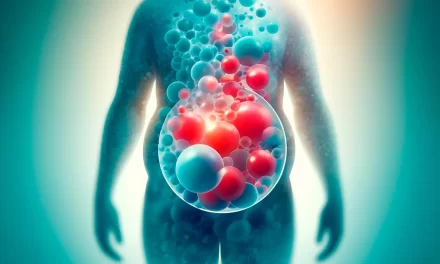
By analyzing saliva and stool samples from 86 patients, the team discovered that the oral and gut microbiomes become increasingly similar as liver health worsens. In the most advanced stages, the bacterial strains found in the gut were nearly identical to those in the mouth.
“These strains are typically found in the mouth and are rarely present in the healthy gut,” says Professor Schirmer, who holds the chair of Translational Microbiome Data Integration at TUM. “However, we observed increases in the absolute abundances of these oral bacteria in patients with advanced chronic liver disease. This strongly suggests that these bacteria translocate from the mouth and colonize the gut.”
The Mechanism of Damage: Breaking the Barrier
The presence of “misplaced” bacteria is more than just a diagnostic marker; it appears to be an active driver of the disease. Using advanced gene analysis, the researchers identified that these oral invaders carry specific genes capable of encoding collagen-degradation enzymes.
Collagen is a primary structural protein that maintains the integrity of the intestinal barrier—often referred to as the “gut wall.” When oral bacteria colonize the gut and release these enzymes, they effectively “digest” the protective lining of the intestine.
Aurelie Cenier, a doctoral researcher and co-first author of the study, explained the ripple effect of this process: “Collagen breakdown can compromise the gut barrier, potentially allowing bacteria and bacterial products to reach other organs, such as the liver. We believe this may worsen the disease.”
This phenomenon, often colloquially termed “leaky gut,” creates a vicious cycle. As the liver fails, it becomes less efficient at filtering toxins; meanwhile, the compromised gut barrier allows more bacteria to flood the system, putting further strain on the liver.
Why the Oral Microbiome Matters Early On
One of the most significant aspects of this study is the timeline of these changes. While gut microbiome shifts are often noted in late-stage illness, the researchers found that changes to the oral microbiome were detectable at much earlier stages of liver disease.
This suggests that a simple saliva test could eventually help clinicians identify patients at risk of progression long before they reach a critical state. It shifts the focus from late-stage crisis management to early intervention.
Statistical Context: The Global Burden of Liver Disease
| Metric | Detail |
| Global Annual Mortality | > 2 million deaths from ACLD |
| Study Size | 86 patients (saliva and stool analysis) |
| Key Marker | Translocation of oral bacteria to the gut |
| Primary Risk | Collagen degradation in the intestinal lining |
Expert Commentary and Future Directions
The implications for public health are substantial. If the mouth is the “source” of the bacteria that damage the gut and liver, then oral hygiene and targeted microbiome therapies could become standard parts of liver disease management.
Dr. Vishal Patel, a Clinical Senior Lecturer at King’s College London and a consultant hepatologist not involved in the TUM study, believes this research provides a roadmap for future care.
“Our findings open potential new therapeutic strategies for people with advanced chronic liver disease,” Dr. Patel noted. “Protecting or restoring the gut barrier could help slow disease progression. Targeting the oral microbiome offers a way to positively influence the course of the disease and prevent clinical complications.”
Limitations and Practical Steps for Consumers
While the study is a significant leap forward, experts caution that more research is needed to determine cause versus effect. It is currently unclear whether the liver disease causes the mouth bacteria to move, or if the movement of the bacteria is the primary cause of the liver’s decline.
Furthermore, the study’s sample size of 86 patients is relatively small. Larger, longitudinal studies—which follow patients over many years—will be necessary to confirm if oral microbiome screening can reliably predict long-term survival rates.
What should you do now?
For the average reader, this study reinforces a “whole-body” approach to health:
-
Prioritize Oral Hygiene: Regular brushing, flossing, and dental check-ups are not just for your teeth; they may be your first line of defense in maintaining gut barrier integrity.
-
Monitor Liver Health: If you have known risk factors for liver disease (such as fatty liver or high alcohol consumption), discuss microbiome health with your gastroenterologist.
-
Support the Gut Barrier: Diets rich in fiber and fermented foods are generally associated with a stronger intestinal lining, though patients with diagnosed liver disease should always follow their doctor’s specific dietary prescriptions.
Conclusion
The discovery that the mouth and gut merge into a single, homogenized microbiome during liver failure marks a shift in how we understand chronic disease. By looking “upstream” to the mouth, scientists may have found a way to prevent the “downstream” devastation of liver failure.
Medical Disclaimer
Medical Disclaimer: This article is for informational purposes only and should not be considered medical advice. Always consult with qualified healthcare professionals before making any health-related decisions or changes to your treatment plan. The information presented here is based on current research and expert opinions, which may evolve as new evidence emerges.
References
https://tennews.in/your-mouth-bacteria-can-predict-risk-of-chronic-liver-disease-says-study/