 0
0
 0
0
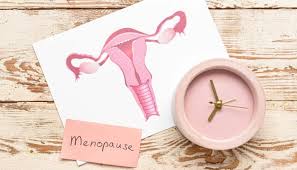
For decades, the physical transition of menopause was often discussed in hushed tones or reduced to a singular, frustrating symptom: the hot flash. However, a growing body of medical evidence and a new clinical consensus are reframing menopause not just as a reproductive milestone, but as a critical metabolic turning point.
Recent clinical insights, highlighted by the North American Menopause Society (NAMS) and emerging research in endocrine health, suggest that the decline in estrogen during perimenopause and menopause triggers a profound “metabolic recalibration.” This shift frequently leads to weight gain—specifically visceral adiposity (belly fat)—and an increased risk for cardiovascular disease and Type 2 diabetes.
As the global population of menopausal and postmenopausal women is expected to reach 1.2 billion by 2030, healthcare providers are moving away from “siloed” treatments. Instead, they are adopting an integrated approach that connects hormonal changes, obesity management, and long-term metabolic protection.
The Science Behind the “Menopausal Middle”
The weight gain associated with menopause is rarely a matter of simple overeating. Rather, it is driven by a complex interplay of hormonal shifts and aging.
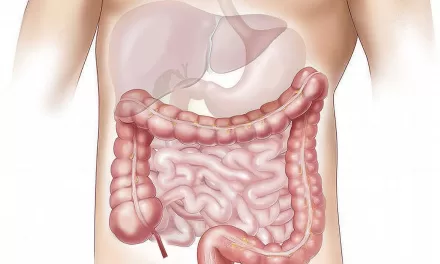
When estrogen levels drop, the body’s method of storing fat changes. In premenopausal years, estrogen promotes fat storage in the hips and thighs (subcutaneous fat). As estrogen wanes, the body begins to preferentially deposit fat in the abdomen (visceral fat). This isn’t just a cosmetic concern; visceral fat is metabolically active, secreting inflammatory cytokines that increase insulin resistance.
“We see a distinct shift in body composition even when caloric intake remains the same,” says Dr. Elena Rossi, an endocrinologist specializing in women’s metabolic health (who was not involved in the recent NAMS reports). “The loss of estrogen impacts lipid metabolism and reduces resting energy expenditure. Essentially, the body becomes less efficient at burning energy and more prone to storing it in ways that threaten heart health.”
Key Findings: The Triple Threat
Recent data published in journals such as The Lancet Diabetes & Endocrinology underscores three primary metabolic risks during the transition:
-
Insulin Sensitivity: The drop in estradiol is linked to decreased insulin sensitivity, making it harder for the body to process glucose and increasing the risk of Type 2 diabetes.
-
Lipid Profiles: Many women see a sharp rise in LDL (“bad”) cholesterol and triglycerides during the transition, contributing to a spike in cardiovascular risk that eventually mirrors that of men.
-
Muscle Loss (Sarcopenia): Hormonal changes, combined with aging, lead to a decline in lean muscle mass. Since muscle is a primary driver of metabolism, this loss further accelerates weight gain.
Moving Toward Integrated Care
The “Integrated Approach” now being championed by medical societies suggests that treating menopause symptoms in isolation—such as treating hot flashes without addressing weight, or vice versa—is an outdated model.
1. Hormonal Optimization
Menopausal Hormone Therapy (MHT) is no longer viewed solely as a treatment for vasomotor symptoms. New studies suggest that for many women, starting MHT early in the transition may help mitigate the accumulation of abdominal fat and improve insulin sensitivity. However, experts emphasize that MHT is not a “weight loss drug” and must be tailored to individual cardiovascular and oncological risk profiles.
2. The Role of Pharmacotherapy
With the advent of GLP-1 receptor agonists (such as semaglutide), the conversation around menopause and obesity has shifted. For women with significant metabolic distress or clinical obesity, these medications are increasingly used alongside hormonal support to “reset” metabolic signaling.
3. Nutritional and Resistance Training
Because muscle loss is a primary driver of metabolic decline, the “gold standard” for lifestyle intervention has shifted from steady-state cardio (like long walks) to resistance training. Lifting weights helps preserve bone density and muscle mass, providing a “metabolic buffer” against the estrogen dip.
Expert Commentary: A Change in Perspective
“We have to stop telling women to just ‘eat less and move more’ during menopause,” says Sarah Jenkins, a certified menopause practitioner. “The biology of the 50-year-old female body is fundamentally different from the 30-year-old body. An integrated approach means looking at sleep quality—because poor sleep drives cortisol and hunger—stress management, and protein-forward nutrition.”
Limitations and Counterarguments
While the integrated approach is gaining traction, some medical professionals urge caution regarding the long-term use of certain medications. Critics of the widespread use of MHT for metabolic health point to the Women’s Health Initiative (WHI) legacy, noting that while modern delivery methods (like transdermal patches) are safer, they are not without risk for everyone.
Furthermore, access to integrated care remains a barrier. Many primary care physicians receive limited training in menopause management, leaving a “knowledge gap” where patients may feel their metabolic concerns are dismissed as “just a part of aging.”
What This Means for You
For the health-conscious consumer, the takeaway is clear: midlife is the time to be proactive rather than reactive.
-
Audit Your Metrics: Move beyond the scale. Track waist circumference, fasting glucose, and lipid panels.
-
Prioritize Protein and Strength: Focus on maintaining the muscle you have to protect your metabolic rate.
-
Consult a Specialist: If you are experiencing rapid weight shifts or extreme fatigue, seek a provider who understands the link between menopause and metabolic health.
The Bottom Line
Menopause is a natural biological phase, but its impact on metabolic health is profound. By treating the transition as an integrated health event involving hormones, metabolism, and lifestyle, the medical community is finally providing women with the tools to not just endure midlife, but to thrive through it.
Medical Disclaimer: This article is for informational purposes only and should not be considered medical advice. Always consult with qualified healthcare professionals before making any health-related decisions or changes to your treatment plan. The information presented here is based on current research and expert opinions, which may evolve as new evidence emerges.
References
-
Supporting Material: eMedinexus. “Menopause, Obesity, and Metabolic Health: An Integrated Approach.” [Accessed Dec 2024].