 0
0
 0
0
MUMBAI — For many, the transition into the thirties comes with an unwelcome and puzzling passenger: a thickening waistline. Despite maintaining the same diet and exercise routines that worked in their twenties, many adults find that “stubborn” belly fat begins to accumulate with frustrating ease.
While often dismissed as an inevitable part of aging, medical experts clarify that this shift is driven by a complex interplay of muscle loss, hormonal shifts, and declining metabolic efficiency. Dr. Saurabh Sethi, a California-based gastroenterologist trained at Harvard and Stanford Universities, recently highlighted this phenomenon, noting that after 30, the body’s “biological math” begins to change.
“The same foods lead to more belly fat. The same workouts give fewer results,” Dr. Sethi noted in a recent clinical briefing. “This isn’t a failure of willpower; it’s a shift in biology.”
The Biological Triple Threat: Muscle, Insulin, and Hormones
The accumulation of abdominal fat after 30 is not a random occurrence but the result of three primary physiological changes.
1. The “Sarcopenia” Effect: Losing the Body’s Engine
Starting in the third decade of life, the human body begins to lose muscle mass at a rate of approximately 3% to 8% per decade. This condition, known as age-related sarcopenia, significantly impacts the resting metabolic rate.
Muscles act as the body’s primary “sink” for glucose, responsible for 70% to 80% of glucose disposal. “When muscle mass drops, glucose stays in the blood longer and is more likely to be stored as abdominal fat,” says Dr. Sethi. Essentially, with less muscle, the body’s engine becomes smaller, burning fewer calories even while at rest.
2. Declining Insulin Sensitivity
As we age, our cells become less responsive to insulin, the hormone responsible for regulating blood sugar. Research suggests insulin sensitivity can decline by roughly 5% per decade.
When insulin sensitivity drops, the body must produce more insulin to manage the same amount of carbohydrates. High levels of circulating insulin are a primary signal for the body to store fat, particularly in the visceral (internal) cavity. This means a bowl of pasta at age 35 triggers a more significant fat-storage response than it did at age 25.
3. The Hormonal Shift
The third factor involves a recalibration of the endocrine system. After 30, levels of Human Growth Hormone (HGH), testosterone, and estrogen begin a gradual decline. Simultaneously, the “stress hormone” cortisol often trends upward due to lifestyle pressures.
This specific hormonal profile—low anabolic hormones and high cortisol—is a biological “green light” for the storage of visceral fat. Unlike the “pinchable” subcutaneous fat found under the skin, visceral fat wraps around internal organs like the liver and pancreas, driving systemic inflammation.
Identifying the “Slowing Metabolism”
How do you know if your biology is shifting? Experts point to several clinical “red flags” that suggest a metabolic slowdown:
-
Weight Migration: Your total weight on the scale stays the same, but your waist size increases or your clothes fit differently.
-
The Afternoon Slump: Significant energy crashes around 3:00 PM, often indicating blood sugar instability.
-
Sugar Cravings: Intense urges for sweets shortly after eating a carbohydrate-heavy meal.
-
Upper Abdominal Bloating: A feeling of fullness or “tightness” in the upper stomach area after meals.
Beyond Aesthetics: The Health Risks of Visceral Fat
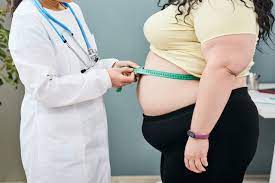
The concern over belly fat is more than cosmetic. Visceral fat is metabolically active tissue that secretes inflammatory cytokines.
According to the American Heart Association (AHA), an increased waist circumference is a primary marker for Metabolic Syndrome, a cluster of conditions that increase the risk of heart disease, stroke, and type 2 diabetes. For those already managing fatty liver disease or high triglycerides, the accumulation of abdominal fat can accelerate the progression of these conditions.
Reversing the Trend: Evidence-Based Strategies
While biology may be working against you, it is not an unbeatable foe. Experts suggest four pillars to combat age-related abdominal fat:
-
Prioritize Protein: To combat muscle loss, aim for 1.2 to 1.6 grams of protein per kilogram of body weight. Protein has a higher thermic effect than fats or carbs, meaning it takes more energy to burn.
-
Resistance Training: Cardio alone is often insufficient after 30. Strength training at least three times a week is essential to preserve and build the muscle mass that drives metabolism.
-
The “Post-Meal” Walk: Walking for 10–15 minutes after meals has been shown to significantly improve insulin sensitivity and blunt blood sugar spikes.
-
Sleep Hygiene: Chronic sleep deprivation (less than 7 hours) raises cortisol levels, which directly promotes belly fat storage.
A Balanced Perspective: Genetics and Limitations
While the 30+ shift is common, it is not universal in its intensity. Genetics play a significant role in where the body chooses to store fat. Furthermore, some researchers argue that focusing solely on “belly fat” can lead to disordered eating habits or “spot reduction” myths—the idea that you can burn fat from a specific area through exercises like sit-ups.
“You cannot ‘crunch’ away visceral fat,” explains Sarah Jenkins, a clinical exercise physiologist not involved with Dr. Sethi’s report. “It requires a systemic approach involving nutrition, sleep, and heavy lifting. The goal shouldn’t be a ‘six-pack’ but rather metabolic health.”
As the new year approaches, the focus for those over 30 should shift from “eating less” to “building more”—more muscle, more sleep, and more metabolic resilience.
References
- https://www.daijiworld.com/news/newsDisplay?newsID=1301461
Medical Disclaimer: This article is for informational purposes only and should not be considered medical advice. Always consult with qualified healthcare professionals before making any health-related decisions or changes to your treatment plan. The information presented here is based on current research and expert opinions, which may evolve as new evidence emerges.