 0
0
 0
0
ISLAMABAD — In the labyrinthine alleys of Karachi and the rugged terrains of Khyber Pakhtunkhwa, a familiar blue-and-white cooling box is once again a sign of hope—and a target of hostility.
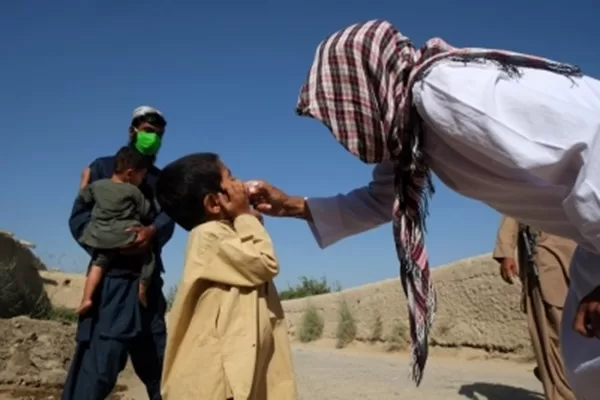
As of February 3, 2026, Pakistan has launched its first nationwide polio vaccination campaign of the year, aiming to reach a staggering 45 million children. While health authorities celebrate a significant decline in cases—dropping from 74 in 2024 to 31 in 2025—the “polio gorilla,” as experts call it, refuses to be pinned down. The persistence of the virus in 2026 highlights a troubling cocktail of public mistrust, shifting security risks, and a glaring lack of support for those the virus has already broken.
A Downward Trend with an Uncertain Future
Three decades after the 1994 launch of the anti-polio initiative, the numbers tell a story of both triumph and tragedy. Total confirmed cases since the program’s inception have reached 14,206. However, 2025 provided a glimmer of optimism: the case count more than halved from the previous year’s surge.
“The trajectory is unmistakably downward,” says Ayesha Raza Farooq, the Prime Minister’s Focal Person for Polio Eradication. “But we cannot allow ourselves to become complacent. The detection of wild poliovirus in Germany late last year is a stark reminder: as long as the virus exists in Pakistan, no child in the world is truly safe.”
Despite the statistical progress, the “invisible population” of polio survivors remains a growing humanitarian crisis. Pakistan currently lacks a comprehensive, government-run system for the long-term rehabilitation or social integration of children disabled by the virus. Without public vocational training or psychosocial support, survivors are often relegated to a life of dependency or exploitation.
The Geography of Resistance
The burden of the disease is not evenly distributed. In 2025, the province of Khyber Pakhtunkhwa (KP) remained the epicenter, accounting for 20 of the 31 national cases. Southern districts like North Waziristan and Bannu continue to be “core reservoirs” where the virus persists.
Several factors create this stubborn resistance:
-
Deep-rooted Mistrust: Rumors that the vaccine causes infertility or is a Western conspiracy continue to circulate on social media.
-
Security Gaps: Just this past December, a militant attack on a vaccination team in the Bajaur district claimed two lives, highlighting the mortal danger faced by the 400,000 frontline workers.
-
Environmental Persistence: The virus continues to be detected in sewage samples across major cities like Lahore and Karachi, indicating “silent transmission” even in areas where paralytic cases haven’t surfaced.
Expert Perspectives: “Wrestling the Gorilla”
Medical professionals outside the government initiative warn that the “last mile” is always the hardest. Dr. Christopher Maher, a senior specialist in polio eradication, famously likened the effort to wrestling a gorilla. “Even when you have the gorilla down, you cannot let go,” he noted during a recent summit in Karachi.
The concern among independent epidemiologists is that as cases drop, international funding and local political will might wane. “We are seeing a system that is incredibly sensitive at detecting the virus but still struggling to deliver the vaccine in high-conflict zones,” says an independent health consultant who requested anonymity. “The gap isn’t just medical; it’s a gap of governance and security.”
What This Means for the Public
For parents, the message from the National Emergency Operations Centre (NEOC) remains unchanged: the Oral Polio Vaccine (OPV) is the only proven shield. Because polio is an incurable disease that can cause lifelong paralysis within hours of infection, high-frequency vaccination is necessary to maintain “population immunity.”
Health officials emphasize that the vaccine is safe and that receiving multiple doses is essential to boost a child’s immune system, especially in areas with poor sanitation where the virus spreads through contaminated water.
Potential Limitations and Counterarguments
While the government maintains that the end is in sight, some critics argue that the focus on polio has “cannibalized” other essential health services. They suggest that integrated health camps—offering nutrition, clean water, and other routine immunizations alongside polio drops—would better build the community trust necessary to finally eradicate the disease.
As Pakistan enters this critical 2026 phase, the world watches. The goal of “Zero Polio” by the end of this year is ambitious, but for the 45 million children targeted this week, it is a race against a virus that does not negotiate.
Medical Disclaimer: This article is for informational purposes only and should not be considered medical advice. Always consult with qualified healthcare professionals before making any health-related decisions or changes to your treatment plan. The information presented here is based on current research and expert opinions, which may evolve as new evidence emerges.
References
https://tennews.in/pakistans-polio-woes-continue-amid-public-mistrust-and-logistical-gaps/