 0
0
 0
0
Major Medical Journal Raises Alarm Over Integrity of Medical Education
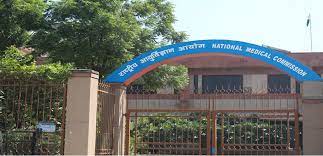
The National Medical Commission (NMC), India’s top medical education regulator, faces serious scrutiny after The Lancet, a leading medical journal, published a damning report on July 19 flagging “systemic corruption and inefficiencies” within the organization. This renewed criticism arrives on the heels of a high-profile corruption scandal that has shaken the foundation of the country’s medical education system.
Details of the Corruption Scandal
On June 30, the Central Bureau of Investigation (CBI) filed a criminal case against 34 individuals, including high-ranking officials from the Ministry of Health and Family Welfare, the NMC, and doctors involved in regulatory inspections. The investigation centers on Shri Rawatpura Sarkar Institute of Medical Sciences and Research in Nava Raipur, where bribery and manipulation in the regulatory approval process were uncovered.
Key revelations include:
-
CBI raids at more than 40 locations across five Indian states.
-
Three NMC inspectors and three officials from the medical institute were caught allegedly exchanging Rs 55 lakh in bribes for regulatory approval.
-
Unauthorized access by health ministry officials to confidential dates and details of inspection teams, which were shared with intermediaries and college authorities.
-
Suspicions of “ghost” faculty appointments and fake patient admissions to project false compliance during official inspections.
The CBI’s findings depict collusion between government regulators and private colleges, highlighting vulnerabilities in the regulatory system.
Lancet’s Critique: “Mirroring the Discredited MCI”
The Lancet’s report draws strong parallels between the NMC and its predecessor, the Medical Council of India (MCI), which was dissolved in 2019 due to widespread allegations of corruption, opacity, and inefficiency. The Lancet warns that the NMC “lacks a clear action plan and is hindered by centralised power and bureaucratic inefficiencies,” and suggests that without substantial reform, the body is at risk of repeating the same failings as the MCI.
Another key concern highlighted is the NMC’s drive to rapidly expand the number of undergraduate (MBBS) and postgraduate medical seats. According to the report, such expansion efforts, if pursued without sufficient resources or long-term vision, threaten the quality of future medical graduates. This, The Lancet argues, could have grave implications for the overall quality of healthcare delivery in India.
Call for Stronger Standards in Medical Education
The Lancet’s report underscores the critical importance of maintaining and enforcing high standards in medical education. It asserts that the NMC must prioritize quality over quantity, and rigorously protect the integrity of the regulatory process, to safeguard public health.
Disclaimer
This article is based on information reported by The Lancet and from details cited by EdexLive as of July 21, 2025. Allegations remain under investigation and all individuals are presumed innocent until proven guilty. The article does not independently verify the claims referenced and is intended for informational purposes only.