 0
0
 0
0
DHAKA — In the crowded corridors of the National Institute of Diseases of the Chest and Hospital (NIDCH) in Dhaka, the air is thick with the sound of labored breathing. For Dr. Md. Safiun Islam, an assistant professor of respiratory medicine, the sound is a haunting metronome for a national crisis.
“The number of patients has exponentially increased in just five years,” Dr. Islam says, gesturing toward a queue of dozens of people waiting for a single bed in the Intensive Care Unit (ICU). “Controlling pollution-producing sectors is no longer a policy choice; it is an emergency.”
Bangladesh finds itself at a cruel crossroads of geography and industrial ambition. Despite contributing less than 0.3% of global carbon dioxide emissions, the South Asian nation is bearing a disproportionate share of the world’s environmental burden. A toxic combination of rapid climate change and unregulated industrial pollution is pushing the country’s healthcare infrastructure toward what experts warn is a total systemic collapse.
A Breath of Toxic Air
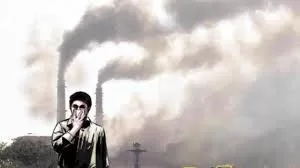
Dhaka, a sprawling megacity of over 23 million people, consistently ranks among the most polluted cities globally. According to the Air Quality Life Index (AQLI), residents of Bangladesh could lose an average of 6.7 years of life expectancy due to air pollution. In Dhaka, that number is even more staggering.
The culprits are visible from almost any rooftop: the “brickfields” or kilns that ring the city, garment factories, and tanneries. These industries, while vital to the economy, belch sulfur dioxide and particulate matter (PM2.5) into the atmosphere. These microscopic particles bypass the body’s natural filters, lodging deep in lung tissue and entering the bloodstream.
“We are seeing a surge in diseases that were once manageable,” says Dr. Mustafijur Rahman of the NIDCH. “Asthma, lung cancer, chronic obstructive pulmonary disease (COPD), and childhood pneumonia are skyrocketing. If this continues, our health system will completely break down.”
The Geography of Vulnerability
Bangladesh’s physical landscape compounds the industrial threat. As one of the lowest and flattest countries in the world, it is a “ground zero” for climate change. Rising sea levels in the south are pushing salt water into freshwater supplies, leading to increased rates of hypertension and gestational pre-eclampsia among coastal populations.
As climate change makes rural farming impossible due to floods and salinity, millions migrate to Dhaka. By 2050, the UN predicts the city will be among the most populous on earth. Most of these climate refugees end up in urban slums adjacent to industrial zones.
“The sewage systems in these areas are insufficient for standard living,” Dr. Rahman explains. “You have industrial hazardous waste being thrown into the rivers while people live in close quarters nearby. It creates a perfect storm for the contamination of infections.”
The Economic Death Spiral
The healthcare crisis is not just a medical issue; it is a primary driver of poverty. In Bangladesh, out-of-pocket expenditure accounts for approximately 72% of total health spending, one of the highest rates in the world.
For a family living in a Dhaka slum, a single diagnosis of lung cancer or chronic bronchitis can be a financial death sentence. Families often sell their land or take high-interest loans to pay for ICU care. When the debt becomes insurmountable, many able-bodied men are forced to seek work abroad, often attempting dangerous, illegal crossings over the Mediterranean to reach Europe—a phenomenon now being linked to “environmental displacement.”
Political Shifts and Public Health
The timing of this crisis coincides with a period of intense political transition. Following the ousting of long-time Prime Minister Sheikh Hasina in August 2024, the nation is preparing for pivotal elections on February 12th.
Healthcare advocates are calling for the incoming government to move beyond rhetoric. Dr. Rahman and his colleagues are urging for “proper planning”—specifically the zoning of industrial areas away from residential hubs and a massive investment in public sanitation and hygiene education.
“The political unrest has made logistics difficult,” notes Dr. Islam. “But the virus and the pollution do not wait for political stability. We need the right people in the right places to manage this environmental emergency.”
The Global Perspective
While the local government faces pressure, international health experts argue that the global community owes a debt to nations like Bangladesh.
“Bangladesh is a textbook example of environmental injustice,” says Sarah Whittaker, a global health researcher not involved in the Dhaka report. “They are suffering the health consequences of a global carbon economy they didn’t create. When a country’s healthcare system breaks under the weight of climate change, it creates a ripple effect of migration and economic instability that affects the entire world.”
Practical Steps for Residents
While systemic change is required, medical professionals in Dhaka recommend several immediate steps for residents to mitigate risk:
-
Monitoring Air Quality: Using apps to check the Air Quality Index (AQI) and staying indoors on “hazardous” days.
-
Masking: Wearing N95 or equivalent masks when traveling through high-traffic or industrial zones.
-
Water Safety: Boiling all water sources, even if they appear clear, to neutralize industrial and biological contaminants.
As the February 12th election approaches, the citizens of Bangladesh are looking for more than just political promises. They are looking for the right to breathe.
Medical Disclaimer
This article is for informational purposes only and should not be considered medical advice. Always consult with qualified healthcare professionals before making any health-related decisions or changes to your treatment plan. The information presented here is based on current research and expert opinions, which may evolve as new evidence emerges.
References
- https://tennews.in/climate-change-industrial-pollution-worsening-healthcare-crisis-in-bangladesh/