 0
0
 0
0
HELSINKI — As millions of students prepare for high-stakes spring exams, a silent environmental factor may be influencing their results. A groundbreaking study published March 3, 2026, in the Journal of Epidemiology & Community Health reveals that elevated pollen levels correlate with lower exam scores among Finnish students, particularly in subjects requiring high levels of concentration like mathematics and physics. Analyzing nearly 15 years of data from over 92,000 students, researchers found that even small increases in atmospheric pollen can create a measurable dip in academic performance, raising significant questions about educational equity in an era of lengthening allergy seasons.
A Data-Driven Look at the “Brain Fog”
The research, led by a team from the University of Oulu, meticulously tracked 92,280 students participating in Finland’s national high school matriculation exams between 2006 and 2020. By matching 156,059 individual test results with daily pollen counts for alder (Alnus spp.) and hazel (Corylus avellana)—the primary spring allergens in Northern Europe—the study uncovered a persistent “U-shaped” correlation.
Scores dropped not only during peak pollen days but also on days with relatively low counts, suggesting that even mild exposure can disrupt a student’s cognitive flow. Specifically:
-
An increase of just 10 alder pollen grains/m³ was linked to a 0.042-point drop on a 66-point scale.
-
Hazel pollen showed an even sharper impact, with a 10-grain increase linked to a 0.17-point decrease.
-
The most significant declines were observed in math, physics, and chemistry, where precision and sustained focus are paramount.
While these numerical drops appear small on an individual basis, they are statistically significant across a population. In competitive university admissions systems where a fraction of a point can determine a student’s future career path, these environmental “penalties” carry heavy weight.
Why Pollen Disrupts the Mind
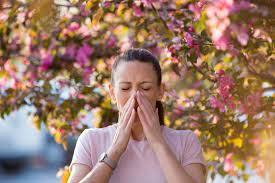
For the 15% to 23% of Finnish teenagers living with allergic rhinitis (hay fever), the findings validate a long-suspected “brain fog.” The physiological response to pollen—congestion, itchy eyes, and systemic inflammation—often leads to poor sleep quality and daytime fatigue.
“Pollen doesn’t just make you sneeze; it fogs the brain like a dust storm clouding a windshield, making sharp focus harder,” explains an analogy frequently used by allergy experts. This biological distraction impairs spatial working memory and slows down information processing.
The Finnish findings mirror a 2016 Norwegian study of 70,000 students, which found that pollen spikes reduced test scores by approximately 2.5% of a standard deviation. This suggests that the “pollen penalty” is a consistent phenomenon across different educational systems and climates.
Expert Perspectives: A Call for Proactive Management
Medical professionals not involved in the study emphasize that the issue is treatable, provided it is recognized early.
“This study aligns perfectly with what we see clinically,” says Dr. Elena Vasquez, a pediatric allergist and member of the American Academy of Allergy, Asthma & Immunology. “Allergies disrupt the fundamental pillars of academic success: sleep and cognition. When you add the pressure of high-stakes testing, these vulnerabilities are amplified. The good news is that proactive use of non-drowsy antihistamines or nasal sprays can significantly mitigate these effects.”
Dr. Raj Patel, a public health expert with WHO Europe, views the study through a wider lens. “With climate change extending pollen seasons and increasing pollen potency, schools and policymakers worldwide need to start monitoring environmental forecasts as part of their academic planning,” Patel notes.
Public Health and the “Climate Equity” Gap
The study arrives at a time when urbanization and rising global temperatures are making allergy seasons longer and more intense. This creates a hidden inequality: students with the resources to access high-quality allergy care and air-conditioned environments may perform better than those who suffer through the season untreated.
To ensure a level playing field, experts suggest several practical interventions:
-
For Schools: Considering “pollen forecasts” when scheduling major exams or providing HEPA-filtered testing rooms.
-
For Parents: Starting “pre-season” allergy treatments (such as intranasal corticosteroids) several weeks before the exams begin.
-
For Students: Practicing “pollen hygiene”—showering after being outdoors, keeping windows closed during peak hours, and staying hydrated to keep mucus membranes clear.
Understanding the Limitations
While the study’s size is impressive, researchers urge a balanced interpretation. As an observational study, it shows a correlation, not direct causation. The researchers did not have access to individual medical records, meaning they could not confirm which specific students had allergies.
Furthermore, the effect sizes—while statistically robust—are small. Resilient students or those with mild symptoms may not see any practical change in their grades. Critics also point out that Finland’s pollen levels are generally lower than those in temperate regions like the United States or India, suggesting that the impact could be even more pronounced in warmer climates.
The Path Forward
The University of Oulu team emphasizes that the goal isn’t to cause alarm, but to encourage better preparation. “Even small drops matter when scores influence university admissions,” the lead researcher noted.
Future studies are expected to investigate whether specific interventions, such as providing air purifiers in classrooms or mandating allergy screenings for students, can close the performance gap. For now, the message to students is clear: if you’re heading into an exam this spring, checking the pollen count might be just as important as checking your notes.
Medical Disclaimer
Medical Disclaimer: This article is for informational purposes only and should not be considered medical advice. Always consult with qualified healthcare professionals before making any health-related decisions or changes to your treatment plan. The information presented here is based on current research and expert opinions, which may evolve as new evidence emerges.
References
https://www.earth.com/news/high-pollen-levels-linked-to-lower-student-exam-scores/