 0
0
 0
0
The Surge of Fake News During COVID-19
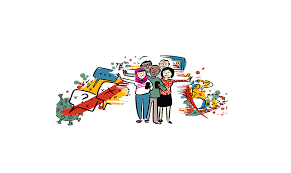
In recent years, the rise of misleading and fabricated news, particularly during the COVID-19 pandemic, has dramatically affected societies worldwide. Platforms like WhatsApp, Facebook, Twitter, and Instagram became battlegrounds where factual information competed with viral misinformation, often with dangerous consequences.
A phenomenon now widely known as the “infodemic” emerged, signifying not just an outbreak of information but also of rampant falsehoods and rumor. With fake news crafted to look convincingly authentic, even highly educated individuals found themselves forwarding misleading content—believing it true. According to research cited by the National Academy of Sciences, about 90% of people who thought they could spot falsehoods actually failed to do so.
Deadly Consequences of Misinformation
The consequences of the infodemic were not limited to confusion; they proved deadly in many cases:
-
Vaccine Hesitancy: Viral rumors falsely claimed that COVID-19 vaccines would lead to death within two years, using the names and photos of respected scientists to bolster their credibility. Such stories caused widespread fear and made many people reluctant to get vaccinated.
-
Dangerous Cures: Misinformation that drinking alcohol or consuming methanol could ward off the coronavirus led to hundreds of deaths and thousands of severe poisonings worldwide. In India and elsewhere, beliefs in remedies like cow urine or camel urine, and applying lemon juice in the nose or hand sanitisers, flourished despite zero scientific evidence and very real health risks.
-
Economic Disruption: The poultry sector in India suffered a massive loss, reportedly 22,500crore rupees in February 2020 alone, after rumors spread that consuming chicken or eggs could transmit the virus.
Societal Impact
The relentless flood of misinformation intensified the general population’s anxiety, spread confusion, and created social strains. People became divided over the “truth,” and public trust in science and medical guidance eroded. As highlighted by the World Health Organization and the Indian government, the infodemic made it significantly more difficult for citizens to access accurate health information, contributing to poor mental health, community division, and even violence.
Combating the Infodemic
Recognizing these dangers, global bodies such as the World Health Organization and United Nations urged the public and the media to take a scientific approach to information sharing. The need for public awareness campaigns on information literacy became clear, empowering people to question sources and seek out verified facts rather than blindly trusting viral claims.
The emerging field of “infodemiology”—the science of managing and mitigating information disorders—now aims to stem the tide of harmful rumors. Scientific summaries, regular press briefings, and responsible reporting are key tactics, as is the responsibility of educated individuals to relay factual information to vulnerable groups.
Disclaimer
This article is based on the views and information presented in The Sentinel Assam article “The infodemic crisis: A threat to science, society, and sanity” by Dr. Chinta Mani Sharma. The anecdotes and claims reflect the author’s analysis and cited research; readers are encouraged to verify health-related advice with medical professionals and trusted organizations before acting on any information.