 0
0
 0
0
NEW DELHI — A quiet but aggressive health crisis is unfolding among women across the globe, with India emerging as a primary epicenter. Recent clinical data and epidemiological reports indicate a sharp rise in a “triple threat” of conditions: Polycystic Ovary Syndrome (PCOS), thyroid dysfunction, and premature cardiovascular disease.
Driven by a perfect storm of ultra-processed diets, chronic psychological stress, and sedentary “desk-bound” lifestyles, these conditions are no longer appearing in isolation. Instead, they are presenting as a unified metabolic breakdown that experts warn is striking women nearly a decade earlier than previous generations. With PCOS now affecting up to one in five women in India—far surpassing the global average—medical authorities are issuing an urgent “lifestyle wake-up call,” advocating for proactive screenings to begin as early as age 30.
The Interconnected Web: Insulin and Metabolism
While PCOS, thyroid disorders, and heart disease were once treated as separate clinical issues, researchers now recognize a common denominator: insulin resistance.
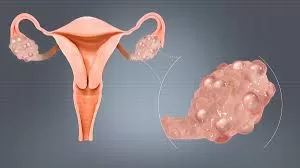
In women with PCOS, the body’s cells become resistant to insulin, the hormone responsible for regulating blood sugar. This causes the pancreas to pump out more insulin, which in turn triggers the ovaries to produce excess androgens (male hormones). This hormonal cascade doesn’t just disrupt menstrual cycles; it creates systemic inflammation.
“Think of insulin resistance like a clogged highway,” says Dr. Bindu Menon, a cardiologist specializing in women’s health. “When the ‘traffic’ of glucose can’t enter the cells, it backs up in the bloodstream, damaging the lining of the arteries and slowing down the metabolic ‘engine.’ This is where the thyroid and heart get caught in the crossfire.”
The Thyroid Connection
Thyroid disorders, particularly hypothyroidism (an underactive thyroid), affect nearly 50 million Indians. Women are five to eight times more likely than men to develop these imbalances. An underactive thyroid further slows the metabolism, exacerbating weight gain and making it even harder for the body to process fats and sugars. Between 2015 and 2019, national prevalence rates of thyroid dysfunction rose from 2.2% to 2.7%, a trend attributed to rising levels of cortisol—the body’s primary stress hormone—which interferes with thyroid hormone production.
A New Face of Heart Disease
Perhaps the most alarming trend is the shift in cardiovascular risk. Historically viewed as a “man’s disease,” heart disease is now the leading cause of death among women, accounting for over 40% of female mortality in certain regions.
In India, heart disease in women is characterized by what clinicians call “malignant CAD”—severe arterial blockages that occur in women under age 50, even those who do not present with traditional risk factors like heavy smoking.
Key Statistical Snapshot:
-
PCOS Prevalence: 20% of Indian women (vs. 8-13% globally).
-
Heart Disease: Strikes Indian women nearly 10 years earlier than Western counterparts.
-
Diabetes Risk: Women with PCOS are 3 times more likely to develop Type 2 diabetes.
-
Undiagnosed Rate: Approximately 70% of PCOS cases in India remain undiagnosed due to lack of screening and social stigma.
Expert Insights: The “Urbanization” Penalty
Endocrinologists report a significant shift in patient demographics. Dr. Gupta, a senior endocrinologist, notes seeing 10 to 15 women aged 33–45 every month with new-onset hypothyroidism and metabolic syndrome.
“The past decade has seen an explosion in these conditions,” Dr. Gupta explains. “We are seeing the ‘urbanization penalty.’ Desk jobs have replaced physical activity, and ultra-processed ‘convenience foods’ have displaced traditional, nutrient-dense diets. When you add chronic sleep deprivation to the mix, the endocrine system simply hits a breaking point.”
Nutrition experts also point to a “post-iodine fortification” paradox. While India’s successful iodine programs have nearly eliminated goiters, there has been a subsequent rise in autoimmune thyroiditis (Hashimoto’s disease), possibly triggered by environmental pollutants and high-stress environments that overstimulate the immune system.
Public Health Implications and Challenges
The intersection of these three conditions creates a domino effect on public health. PCOS is frequently linked to infertility, which places an emotional and financial burden on families. Furthermore, the hormonal imbalances associated with both PCOS and thyroid issues are major drivers of depression and anxiety, creating a mental health crisis alongside the physical one.
Limitations in the Data
However, some experts urge caution in interpreting the “surge.” They argue that the rising numbers may partially reflect better diagnostic tools and increased health literacy rather than just an increase in disease.
There is also a debate regarding the over-diagnosis of PCOS. Current standards, such as the Rotterdam criteria, allow for a diagnosis based on ultrasound findings alone, which some physicians argue can lead to unnecessary anxiety and “over-medicalization” of symptoms that might be managed through lifestyle alone. Additionally, most data currently comes from urban centers, leaving a significant gap in our understanding of how these metabolic shifts are affecting rural populations.
Reclaiming Health: The Path Forward
The consensus among medical professionals is clear: Metabolic health is modifiable. Unlike genetic predispositions, lifestyle-driven disorders can often be managed or even reversed with early intervention.
Practical Steps for Women (Ages 30+)
-
The 150-Minute Rule: Aim for at least 150 minutes of moderate-intensity exercise (like brisk walking or swimming) per week to improve insulin sensitivity.
-
Whole-Food Priority: Replace “white” carbohydrates (sugar, white rice, refined flour) with complex grains, fiber-rich vegetables, and lean proteins to stabilize blood glucose.
-
Annual Metabolic Panels: Women over 30 should request a baseline screening that includes:
-
TSH (Thyroid Stimulating Hormone)
-
Fasting Glucose and HbA1c (Blood sugar over 3 months)
-
Lipid Profile (Cholesterol and Triglycerides)
-
-
Sleep Hygiene: Prioritize 7–9 hours of quality sleep. Sleep deprivation triggers cortisol spikes that directly contribute to abdominal fat and thyroid suppression.
“The goal isn’t just to live longer, but to live healthier,” says Dr. Menon. “Trading a daily soda for water or choosing a 20-minute walk over a 20-minute scroll on social media are small choices that yield massive dividends for the heart and hormones.”
Medical Disclaimer
This article is for informational purposes only and should not be considered medical advice. Always consult with qualified healthcare professionals before making any health-related decisions or changes to your treatment plan. The information presented here is based on current research and expert opinions, which may evolve as new evidence emerges.
References
-
Times of India. (2026, March). PCOS, thyroid problems and early heart disease are rising in women. https://timesofindia.indiatimes.com/health/pcos-thyroid-problems-and-early-heart-disease-are-rising-in-women-experts-explain-the-lifestyle-and-metabolic-factors-behind-the-surge/articleshow/129077601.cms