 0
0
 0
0
LUCKNOW — For decades, the public health narrative surrounding the Human Papillomavirus (HPV) has been almost exclusively centered on women and cervical cancer. However, leading medical experts gathered here on Friday are sounding the alarm: the virus is a gender-neutral threat, contributing to an array of life-threatening cancers in men that often go undetected until it is too late.
Speaking at the “Cervical Cancer – Empower the Storytellers” seminar, a collaborative effort by the Sanjay Gandhi Postgraduate Institute of Medical Sciences (SGPGIMS) and the Central Drug Research Institute (CDRI), clinicians argued that our vocabulary must shift. They advocate for moving away from the narrow focus on “cervical cancer” toward the more inclusive umbrella of “HPV-related cancers” to reflect a viral burden that affects the entire population.
A Viral Architect of Cancer
HPV is the most common sexually transmitted infection globally. While the body’s immune system clears most infections, persistent high-risk strains can integrate into human DNA, triggering cellular changes that lead to malignancy.
“HPV infection is a major cause of cancer deaths among women, but it also affects men significantly,” said Prof. Indu Lata of SGPGIMS. “We are seeing the virus linked to at least 10 different types of cancers. In men, this includes increasingly high rates of oropharyngeal (throat), anal, and penile cancers.”
The statistics are sobering. According to the Centers for Disease Control and Prevention (CDC), while nearly all cervical cancers are caused by HPV, the virus is also responsible for approximately 70% of oropharyngeal cancers and over 90% of anal cancers. In many developed nations, the incidence of HPV-related throat cancer in men has now surpassed the incidence of cervical cancer in women.
The “Silent” Threat in Men
One of the primary challenges in managing HPV in men is the lack of a standardized screening process. Unlike women, who have access to Pap smears and HPV DNA testing for early cervical detection, there is currently no approved clinical test to screen for HPV in men.
“Men often act as silent carriers,” explains Dr. Rajesh Kumar, an oncologist not affiliated with the seminar. “Because there is no routine screening for penile or throat HPV, the virus can persist for years without symptoms. By the time a man presents with a lump or persistent sore throat, the cancer is often at an advanced stage.”
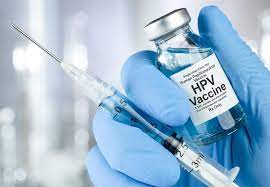
The seminar, which drew over 500 students, highlighted that the biological “blind spot” in men’s health makes vaccination even more critical. Experts noted that because men cannot be screened, primary prevention through the HPV vaccine is the only robust line of defense.
Shifting the Paradigm: From “Girls Only” to Gender-Neutral
The Serum Institute of India, a partner in the seminar, has been at the forefront of making HPV vaccines more accessible. However, cultural stigma remains a hurdle. Many parents still view the HPV vaccine as a “cervical cancer shot,” leading to lower uptake for boys.
| HPV-Related Cancer Type | Estimated Percentage Caused by HPV |
| Cervical | 99%+ |
| Anal | 91% |
| Oropharyngeal (Throat) | 70% |
| Vaginal | 75% |
| Penile | 63% |
Data source: CDC/WHO Global Health Estimates.
The push to rename the conversation “HPV-related cancers” is a strategic move to de-stigmatize the virus. By framing it as a general pathogen rather than a “women’s issue,” health officials hope to increase vaccination rates among boys.
“When we empower the storytellers—the students and educators here today—we must ensure they tell the whole story,” said a representative from the Children Unbound Foundation. “If we only talk about girls, we leave half the population vulnerable and allow the virus to continue circulating unchecked.”
Public Health Implications and the Path Forward
The implications for public health are clear: a “herd immunity” approach is required to eradicate HPV-related malignancies. When both boys and girls are vaccinated, the overall prevalence of the virus in the community drops sharply, protecting even those who are unvaccinated.
For the health-conscious consumer, the takeaway is practical:
-
Vaccination Timing: The vaccine is most effective when administered between ages 9 and 12, before any exposure to the virus. However, “catch-up” vaccines are now recommended for adults up to age 26, and sometimes up to age 45 based on clinical consultation.
-
Symptom Awareness: Men should be vigilant about persistent sores, lumps, or changes in skin color on the genital area, as well as chronic sore throats or difficulty swallowing.
-
Safe Practices: While condoms reduce the risk of transmission, HPV can infect areas not covered by a condom. Vaccination remains the most effective prevention.
Potential Limitations and Counterarguments
While the push for gender-neutral vaccination is gaining momentum, some critics point to the high cost of vaccines in developing regions and the logistical challenges of reaching adolescent boys who do not visit doctors as frequently as girls. Furthermore, while the vaccine protects against the most common high-risk strains (such as HPV 16 and 18), it does not cover every single strain, meaning continued vigilance and traditional health screenings remain necessary.
Conclusion: A Shared Responsibility
The seminar in Lucknow serves as a vital reminder that viruses do not discriminate based on gender. As medical science evolves, so too must our public health messaging. By recognizing HPV as a universal threat, the medical community aims to bridge the gap in men’s preventative care and move closer to a future where HPV-related cancers are a thing of the past.
Medical Disclaimer: This article is for informational purposes only and should not be considered medical advice. Always consult with qualified healthcare professionals before making any health-related decisions or changes to your treatment plan. The information presented here is based on current research and expert opinions, which may evolve as new evidence emerges.
References
https://www.daijiworld.com/news/newsDisplay?newsID=1305167