 0
0
 0
0
March 7, 2026
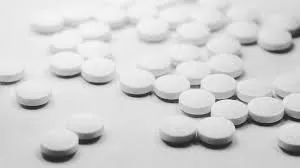
In an era where “biohacking” and self-prescribed supplement regimens are frequently celebrated on social media, a recent medical emergency in India serves as a sobering reminder that even essential nutrients can become toxic. A 32-year-old woman was recently hospitalized with severe hypercalcemia—a dangerously high level of calcium in the blood—after self-medicating with high-dose calcium supplements.
Her goal was common: stronger bones and thicker hair. However, without medical supervision or baseline blood tests, her quest for wellness led to systemic organ distress, including temporary kidney damage. This case highlights a burgeoning public health crisis where the line between nutritional support and pharmacological overdose is increasingly blurred by unregulated supplementation.
The Case: From Beauty Routine to Emergency Room
The patient, whose identity remains private, reportedly began a high-dose calcium regimen based on the popular belief that more calcium equates to better structural health. Shortly after, she developed a cluster of debilitating symptoms, including persistent nausea, vomiting, extreme fatigue, and sharp kidney pain.
Upon admission to the hospital, clinical evaluations revealed serum calcium levels significantly exceeding the standard threshold of 10.5 mg/dL. Perhaps more telling was her suppressed parathyroid hormone (PTH) levels. In a healthy body, the parathyroid glands regulate calcium; when external intake is excessively high, the glands shut down production of PTH to try and compensate. When this feedback loop is overwhelmed, the result is “supplement-induced hypercalcemia.”
“This wasn’t a case of a slightly high reading,” notes the reporting medical team. “This was a physiological overload that the kidneys simply could not process.” The patient required aggressive treatment, including intravenous fluids to flush her system and supportive care to stabilize her renal function. While she has since recovered, the incident left her with temporary kidney impairment—a high price to pay for a “preventative” health measure.
The Science of Satiation: When More is Less
Calcium is the most abundant mineral in the body, essential for vascular contraction, muscle function, nerve transmission, and intracellular signaling. However, the human body is not a bottomless storage unit.
According to the National Institutes of Health (NIH), the Recommended Dietary Allowance (RDA) for an adult woman is approximately 1,000 mg per day. Hypercalcemia typically occurs when intake chronically exceeds 2,500 mg per day.
The “Overload” Mechanism:
-
Renal Exhaustion: The kidneys are responsible for filtering excess calcium. When intake is too high, the renal tubules become saturated and cannot excrete the surplus.
-
PTH Suppression: High blood calcium signals the parathyroid glands to stop producing PTH, which normally helps mobilize calcium from bones.
-
Soft Tissue Calcification: When calcium cannot be absorbed by the bones or excreted by the kidneys, it may begin to deposit in soft tissues, including the arteries and kidneys (forming stones).
Expert Insights: The Myth of the “Magic Pill”
Medical professionals are increasingly concerned about the “more is better” philosophy regarding supplements.
“Calcium supplements are not harmless placebos; they are active compounds that can cause severe hypercalcemia, especially when taken without testing for baseline levels or Vitamin D status,” says Dr. Gaurav Jain, Senior Consultant in Internal Medicine at Dharamshila Narayana Superspeciality Hospital. Dr. Jain emphasizes that for most healthy adults, the focus should be on the plate, not the pill bottle.
Dr. Priyanka Rohatgi, Chief Clinical Dietitian at Apollo Hospitals, warns that even “minor” side effects are signs of digestive distress. “Common side effects include gas, constipation, and bloating. Calcium carbonate, the most common form found in over-the-counter bottles, is notably constipating and requires stomach acid for absorption, often leading to misuse.”
For those who truly need supplements—such as postmenopausal women at risk for osteoporosis—the approach must be surgical, not scattershot. Dr. Gaurav Gupta, Associate Director of Orthopedics at Max Super Speciality Hospital, suggests a balanced middle ground: “A dose of 500 mg/day is generally safe for high-risk groups to prevent osteoporosis, but it must be paired with physical activity and regular monitoring.”
Public Health and the “Beauty” Paradox
The irony of this case lies in the patient’s motivation. While she sought hair and bone health, medical evidence for calcium as a hair-growth miracle is thin. While a severe deficiency can contribute to hair thinning, taking excess calcium does not “turbo-charge” follicle growth.
In India, where dietary calcium intake averages only 429 mg/day—well below the recommended 800–1,000 mg—there is a legitimate need for nutritional improvement. However, public health experts argue that the solution is a “food-first” approach.
Bioavailable Alternatives
| Food Source | Calcium Content (Approx.) |
| Yogurt (1 cup) | 300 mg |
| Ragi (Finger Millet – 100g) | 344 mg |
| Almonds (1 oz) | 75 mg |
| Collard Greens (1 cup, cooked) | 266 mg |
Limitations of Current Research
It is important to note that the medical community is still debating the long-term impacts of supplementation. While some studies suggest calcium pills provide a modest boost to bone mineral density, a comprehensive review in the Journal of the American Heart Association linked high-dose calcium supplementation to an increased risk of plaque buildup in the aorta.
Furthermore, case reports—while vital for identifying trends—are not the same as randomized controlled trials. Individual absorption rates vary wildly based on age, gut health, and the presence of other medications like thiazide diuretics or lithium, which can artificially raise calcium levels.
Practical Advice: How to Supplement Safely
If you are considering adding calcium to your routine, experts recommend a four-step safety protocol:
-
Get Tested: Request a serum calcium, Vitamin D, and PTH test to establish your baseline.
-
Calculate Your Diet: Use a nutritional app for three days to see how much calcium you already get from food. You may only need a 200–300 mg “bridge” rather than a 1,000 mg “megadose.”
-
Split the Dose: The body absorbs calcium most efficiently in doses of 500 mg or less. If you must take a supplement, take it in smaller increments with meals.
-
The “Synergy” Rule: Calcium requires Vitamin D for absorption and Vitamin K2 to ensure the mineral reaches the bones instead of the arteries.
Signs to Watch For
If you are currently taking supplements and experience any of the following, consult a physician immediately:
-
Unusual thirst or frequent urination
-
Persistent abdominal pain or “stones”
-
Confusion or “brain fog”
-
Muscle weakness or heart palpitations
As the 32-year-old patient learned, the path to health is paved with moderation and professional guidance, not just “extra” minerals.
Medical Disclaimer: This article is for informational purposes only and should not be considered medical advice. Always consult with qualified healthcare professionals before making any health-related decisions or changes to your treatment plan. The information presented here is based on current research and expert opinions, which may evolve as new evidence emerges.
References
- Shimada H, et al. Hypercalcemia induced by excessive intake of calcium supplement in a 31-year-old woman. Intern Med. 2004;43(12):1106-1109. DOI: 10.2169/internalmedicine.43.1106