 0
0
 0
0
In maternity wards across the United States, a quiet but consequential shift in parental decision-making is sparking alarm among pediatricians and public health officials. Recent clinical reports and national data analyses through early 2026 reveal a steady uptick in parents declining the standard vitamin K injection for their newborns—a routine procedure since 1961 designed to prevent catastrophic internal bleeding.
While refusal rates remain below 1% in the majority of hospital settings, new research suggests that in some regions, hesitancy is climbing. A recent review by researchers at Florida International University highlighted that refusal rates in certain analyzed cohorts rose from under 3% in 2017 to over 5% by 2024, with anecdotal provider reports in 2026 suggesting the trend is not yet slowing. This small but significant margin of “no” votes is leaving infants vulnerable to Vitamin K Deficiency Bleeding (VKDB), a condition that can cause spontaneous, life-threatening hemorrhages in otherwise healthy babies.
A Proven Shield Against Silent Bleeding
Vitamin K is essential for blood clotting, yet humans are not born with sufficient stores. Newborns have low levels of the vitamin because it does not cross the placenta well, and breast milk—while the gold standard for infant nutrition—contains very little of it. Furthermore, the “friendly” gut bacteria that produce vitamin K in adults are not yet established in a newborn’s digestive tract.
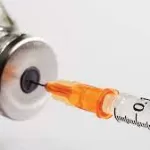
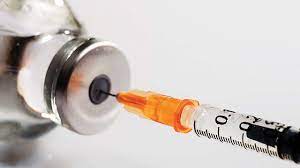
To bridge this gap, the American Academy of Pediatrics (AAP) recommends a single 1 mg intramuscular injection of vitamin K shortly after birth. This prophylaxis is designed to prevent three stages of VKDB:
-
Early: Occurring within the first 24 hours.
-
Classic: Occurring between days 2 and 7.
-
Late: Occurring between weeks 2 and 12.
“Vitamin K at birth is safe and effective,” says Dr. Kate Semidey, an assistant professor of pediatrics at Florida International University. “While refusal is still uncommon, our review found in recent years there have been increases in parents refusing this supplement for their newborns, often without fully realizing the gravity of the risk.”
The stakes are remarkably high. Without the injection, an infant is 81 times more likely to develop late-stage VKDB. Unlike surface bruises, late VKDB often manifests as intracranial hemorrhage (bleeding in the brain). Statistics show that 63% of infants with late VKDB suffer brain bleeds, which carry a 14% to 20% mortality rate and leave 40% of survivors with permanent neurological damage, such as cerebral palsy or developmental delays.
The Anatomy of Hesitancy
If the benefits are so clear, why are more parents opting out? Experts point to a complex mix of “natural” parenting trends, misinformation, and a general rise in medical skepticism.
“We are witnessing an overall increase in parents declining various medical interventions, from vitamin K to newborn eye ointment and even critical screenings,” observes Dr. Candice Foy, a pediatrician at Stony Brook Children’s Hospital.
Common reasons for refusal include:
-
Concerns over “toxins”: Parents often cite preservatives like benzyl alcohol, though the amount in a newborn dose is negligible and deemed safe by the FDA and CDC.
-
Injection pain: Many parents wish to spare their child the discomfort of a needle stick.
-
The “Natural” Birth movement: A desire for a birth experience free of medical “interference” sometimes leads parents to view the shot as unnecessary.
-
The Leukemia Myth: A long-debunked 1992 study suggested a link between the vitamin K shot and childhood leukemia. Despite massive subsequent studies involving hundreds of thousands of children proving no such link exists, the myth persists in online forums.
Furthermore, data suggests a “clustering” of refusals. Parents who decline the vitamin K shot are 90 times more likely to also refuse the Hepatitis B vaccine. The trend is also more pronounced in non-hospital settings; refusal rates can reach between 14.5% and 31% in home births or birthing centers led by providers who may not emphasize the AAP guidelines.
The Problem with Oral Alternatives
In an attempt to find a middle ground, some parents request oral vitamin K. However, medical experts warn that the oral route is significantly less effective.
While the intramuscular shot reduces the risk of late VKDB by 97% to 98%, oral regimens are estimated to reduce risk by only 80% or less. The primary issue is absorption; a baby might spit up or vomit the dose, and the gut does not absorb the vitamin as reliably as the muscle does. Moreover, the oral regimen requires multiple doses over several weeks, leading to “compliance fatigue” where parents forget the follow-up administrations.
“The trouble is, by not doing something, you are doing something wrong to your child,” says Dr. Henry Bernstein, a prominent pediatrician and member of the AAP. He emphasizes that for exclusively breastfed babies—who make up 92% of VKDB cases—there is no natural dietary way to compensate for the lack of the injection.
A Call for Prenatal Education
As 2026 progresses, the medical community is shifting its strategy from “standard procedure” to “active counseling.” Dr. Cliff O’Callahan, chair of pediatrics at Middlesex Health, notes that the window for education must open well before the delivery room. He has observed that while he used to be able to convince 75% of hesitant parents to accept the shot, that number has recently dipped below 50%.
“Parents want what is best for their children,” says Dr. Semidey. “Our job is to provide the context: that this 1 mg dose prevents a tragedy that no parent should have to witness.”
Public health officials recommend that prenatal visits include a dedicated discussion on the vitamin K shot. By addressing myths about leukemia and preservatives early, providers hope to destigmatize the injection. For parents concerned about pain, clinicians suggest “comfort measures” like breastfeeding or skin-to-skin contact during the administration of the shot, which significantly reduces the infant’s distress.
The goal is to ensure that the progress made since 1961 isn’t erased by a digital age of misinformation, keeping the nursery a safe place for every newborn to begin their life.
Medical Disclaimer: This article is for informational purposes only and should not be considered medical advice. Always consult with qualified healthcare professionals before making any health-related decisions or changes to your treatment plan. The information presented here is based on current research and expert opinions, which may evolve as new evidence emerges.
References
- https://www.medscape.com/viewarticle/more-parents-declining-vitamin-k-shot-newborns-2026a10007ny?form=fpf